Carrots, spinach, lettuce, tomatoes, beetroot, broccoli, and squash are all superfoods that have one thing in common – beta carotene. Considering the list of these nutritious colorful veggies, you might already know how beta carotene benefits your health and boosts your immunity. As stated by Michelle Obama, “We can make a commitment to promote vegetables and fruits and whole grains on every part of every menu. We can make portion sizes smaller and emphasize quality over quantity. And we can help create a culture – imagine this – where our kids ask for healthy options instead of resisting them.”

What Is It? A color-imparting organic pigment found in fresh fruits and vegetables, such as spinach, tomatoes, carrots and beetroots.
What Are Its Benefits? It helps form vitamin A, treats skin and hair conditions, reduces sun sensitivity, boosts immunity, improves breathing disorders, such as asthma and bronchitis and may reduce the risk of cardiovascular diseases and dementia.
Who Can Use It? All except those who are allergic to it.
How Often? As part of your daily diet.
Caution Avoid it if you are allergic to it. Consult a doctor to find out how much you need to be consuming.
In This Article
What is Beta Carotene?
Carotenoids are naturally occurring pigments found in plants that are responsible for imparting vibrant colors to fruits and vegetables.
They are abundant in nature. It is estimated that there are 500 different carotenoids, including beta carotene, alpha-carotene, lutein, cryptoxanthin, and zeaxanthin, distributed throughout the plant and algae world.
- Beta Carotene is a derivation of the Latin name for carrot, as this compound was first derived from the carrot roots.
- It is an organic compound that is chemically classified as a hydrocarbon and specifically as a terpenoid.
- It is a strongly colored pigment that imparts the yellow and orange fruits and vegetables their rich hues. Once ingested, it gets converted into vitamin A (retinol) which performs several biological functions within the body. Vitamin A also acts as an antioxidant that protects cells from the damaging effects of harmful free radicals ( 1 ), ( 2 )..
- Beta carotene and several other carotenoids are also known as “provitamin A” because they act as precursors to the production of vitamin A in the body.
- Other carotenoids like lycopene, lutein, and zeaxanthin cannot be converted into vitamin A.
- About 50% of vitamin A in a vegetarian diet is provided by beta carotene and other carotenoids. Beta-carotene is also produced synthetically or from palm oil, algae, and fungi.
- Vitamin A is involved in the formation of glycoproteins. It is essential for vision and is subsequently converted to retinoic acid which is used for processes such as growth and cell differentiation ( 3 ), ( 4 ).

Key Takeaways
- Beta-carotene helps promote heart health and reduce cholesterol levels.
- This antioxidant helps treat respiratory problems, prevent cancer and diabetes, and strengthen the immune system.
- It also prevents premature aging of the skin, treats several skin conditions, and boosts hair growth.
Nutritional Value of Beta Carotene
When ingested into the body, beta carotene is converted to vitamin A (retinol) in the small intestines of mammals by beta-carotene 15 and 15 monooxygenase, an enzyme. Excess retinol is stored in the liver and synthesized into active vitamin A in times of need.
It is one of the most common forms of carotene and is fat-soluble but not water-soluble. To ensure its proper absorption, 3 to 5 grams of fat should be consumed ( 5 ). Carotenoids suspended in oil are more absorbable than those in water and food. According to the National Institutes of Health, the recommended intake of beta-carotene is 900 mcg RAE (Retinol Activity Equivalent) and 700 mcg RAE for adult males and females respectively. You can easily meet this recommended daily intake by adding at least one beta-carotene-rich food, such as carrots and sweet potatoes, to each of your meals.
Similarly, it recommends a dosage of 500 mcg RAE for infants of 7-12 months of age, 300 mcg RAE for children aged 1-3 years, 400 mcg RAE for children aged 4-8 years and 600 mcg RAE for children aged 9-13 years ( 6 ).
Carotenoid facilitates communication between cells by improving the expression of a gene that codes for connexin proteins. These proteins form pores or gap functions among cell membranes, thus allowing the cells to communicate through the exchange of small molecules ( 7 ).
Health Benefits Of Beta Carotene
The primary beta carotene benefits can be attributed to the fact that it is involved in the formation of vitamin A which is vital for maintaining healthy mucus membranes and skin. Some of beta carotene benefits are as follows.
1. Cardiovascular Health:
Shutterstock
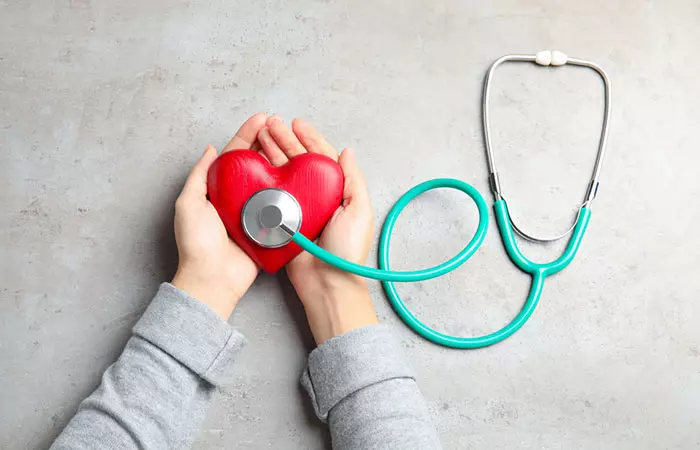
Taking a diet rich in beta carotene may reduce the risk of cardiovascular diseases to a significant extent ( 8 ). Animal studies suggest that beta carotene works with vitamin E to reduce the oxidation of LDL cholesterol, thus lowering the risk of atherosclerosis i Narrowing of arteries due to a build-up of plaque containing cholesterol, fat, and other substances, in and on the walls of the arteries. and coronary heart disease ( 9 ).
2. May Prevent Cancer
Beta carotene helps fight cancer through its antioxidant capacity. Besides, it helps to keep your cells in proper communication, thus helping in cancer prevention and the growth of the cells. Hence, dietary intake of beta carotene rich foods lowers the risk of breast, colon, oral cavity, and lung cancers ( 10 ), ( 11 ).
3. May Be Good for the Brain
Research suggests that consumption of carotenoids such as beta carotene may significantly delay cognitive aging. Moreover, it may fight oxidative stress that can damage brain cells over time, thus reducing the risk of dementia and improving cognitive function ( 12 ).
4. May Help In The Treatment of Respiratory Ailments

Shutterstock
High intake of beta carotene foods may help increase lung capacity and relieve the symptoms of respiratory ailments, thus helping improve breathing disorders like asthma, bronchitis, and emphysema i A chronic lung condition that results in damaged, weakened, and ruptured air sacs (alveoli) in the lungs, thereby causing shortness of breath. ( 13 ). Animal studies also have shown the same effect ( 14 ).
5. May Help Prevent Diabetes
Various studies have shown that people with adequate levels of beta carotene in their bodies are less likely to suffer from impaired glucose tolerance and diabetes( 15 ).
6. May Help Prevent Macular Degeneration
Age related macular degeneration is an eye disease in which the macula of the eye, responsible for central vision, starts to break down. Consumption of adequate levels of beta carotene (15mg) along with other nutrients can slow down the progression of age related macular degeneration (ARMD) ( 16 ). It can also help prevent cataracts and night blindness.
7. May Help Prevent Rheumatoid Arthritis

Shutterstock
Deficiency of beta carotene and vitamin C acts as a risk factor for rheumatoid arthritis ( 17 ). A study conducted on 4916 participants found the prevalence rate of rheumatoid arthritis to be 0.82%. It was further noted that 61.5% of women from urban areas, 43.6% of non-smokers, and 53.8% of overweight people had rheumatoid arthritis. Furthermore, it was estimated that 220,000 to 430,000 people above 20 years had rheumatoid arthritis. Thus, consumption of adequate levels of beta carotene is necessary to prevent the occurrence of this condition.
8. May Strengthen Immune System
Beta carotene strengthens your immune system by activating the thymus gland which is one of the most important sources of immune protection. The thymus gland enables your immune system to fight off infections and viruses, thus destroying cancerous cells before they can spread ( 18 ), ( 19 ).
Skin Benefits of Beta Carotene
Beta carotene is converted into vitamin A which is vital for the maintenance of healthy skin. Your body converts as much vitamin A from beta carotene as it needs; high doses of this vitamin can be toxic. The benefits of this pigment for skin are as follows.
9. May Reduce Sun Sensitivity

Shutterstock
Beta carotene prevents premature skin aging by acting as an antioxidant, a substance that reduces oxygen damage caused by UV light, pollution, and other environmental hazards like smoking. Consumption of adequate levels of beta carotene imparts a natural glow to your skin, thus improving skin health and making it more attractive and beautiful ( 20 ). Excess intake, however, should be avoided as it can cause the soles of your feet, palms of your hands, your nose, and even the white portion of your eyes to turn pumpkin yellow in color.
10. Reduces Sun Sensitivity:
High doses of beta carotene
make your skin less sensitive to the sun. Thus, it is particularly beneficial for people with erythropoietic protoporphyria, a rare genetic condition causing painful sun sensitivity as well as liver problems ( 21 ). Moreover, it can boost the effectiveness of sunscreen and reduce sun damage. Consumption of beta carotene may provide protection against UV damage. However, quality research is warranted in this regard. Therefore, foods containing beta carotene or supplements can be coupled with sunscreen to enhance its effectiveness.
11. May Help In Treating Oral Leukoplakia
Oral leukoplakia is a condition characterized by white lesions in the mouth or tongue which is caused by years of smoking or drinking alcohol. Consumption of beta carotene reduces the symptoms and risk of developing this condition ( 22 ). However, it is advisable to consult your physician before taking beta carotene supplements for the treatment of leukoplakia.
12. May Help In The Treatment of Scleroderma
Scleroderma is a connective tissue disorder characterized by hardened skin. It occurs due to low levels of beta carotene in your blood. Beta carotene supplements are thought to be helpful for people with scleroderma. However, there is not enough evidence to substantiate the claim. Therefore, consult your physician before using these supplements.
13. May Treat A Variety Of Skin Conditions
Shutterstock
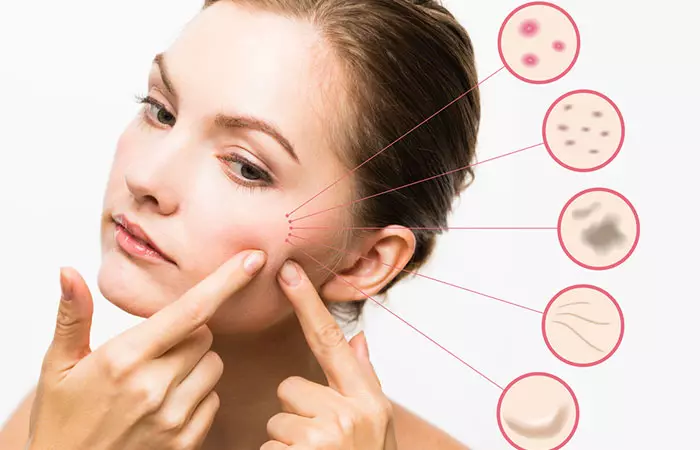
Beta carotene is effective in the treatment of skin conditions like dry skin, eczema and psoriasis ( 23 ), ( 24 ). Vitamin A, being a powerful antioxidant, is involved in the growth and repair of body tissues and hence, protects the skin against damage. When applied externally, it helps in treating ulcers, impetigo i A contagious skin infection that primarily affects infants and young children and usually manifests as red sores on the face, hands, and feet. , boils, carbuncles i A collection of painful, pus-filled boils that are connected under the skin to form an area of infection brought on by the bacterium Staphylococcus aureus. and open ulcers, and removes age spots. It also speeds up the healing of skin lesions, cuts and wounds.
Hair Benefits of Beta Carotene
Beta carotene is converted to vitamin A in the body which is necessary for all cell growth including hair cells. Consumption of beta carotene can help you get rid of various hair problems. However, high doses of vitamin A can also cause hair loss ( 25 ). I is advisable to consume beta carotene from food sources rather than taking vitamin A supplements. Beta carotene is beneficial for your hair in the following ways.
14. Prevents Dandruff and Other Hair Problems:
Deficiency of vitamin A can cause dry, dull, lifeless hair and dry scalp which can flake off into dandruff. Hence, consumption of foods rich in beta carotene is inevitable for preventing these conditions.
15. Spurs Hair Growth:
Hair thinning, particularly among females, is caused due to poor nutrition. Thus, if you are suffering from hair loss, it is advisable to consume the recommended daily allowance of beta carotene to stop hair loss and encourage hair regrowth ( 26 ).
These benefits of beta carotene are amazing, and you can get them from some common foods. Learn about them in the next section.
Dietary Sources Of Beta Carotene
Beta carotene is most abundant in fruits and vegetables which are green, yellow, or orange in color. Some of the fruits, vegetables, herbs, and nuts which have the highest content of beta carotene are given in the list below.
Image: ShutterStock
Thus, foods such as carrots and spinach are rich in this nutrient. However, while beta carotene is generally regarded as safe, excessive consumption may lead to some of the following side effects. Check them out.
Side Effects Of Beta Carotene
A common side effect of excessive beta-carotene intake is carotenemia, which can lead to discoloration of the skin, particularly the palms, and soles. The condition is generally harmless and reversible by simply reducing beta-carotene intake ( 27 ).
When taken in high doses, beta-carotene supplements have also been associated with an increased risk of lung cancer in certain individuals, particularly smokers ( 28 ). However, these effects disappeared a few years post-intervention ( 29 ). Thus, more research is required in this regard.
For safety, it is recommended to consult with a healthcare professional before starting any new supplement regimen.
Learn about the amazing benefits of beta-carotene and how it can help your body. Have a better idea of how it can improve your skin, eyesight, and immune system with this informative video!
Infographic: 6 Reasons Why Beta Carotene Is Good For Your Health
Consuming beta-carotene-rich foods is associated with anti-inflammatory properties that help reduce the severity and risk of respiratory conditions and diabetes among others. We have rounded up the 6 reasons why you should include beta-carotene in your diet. Check out the infographic below to know more. Some thing wrong with infographic shortcode. please verify shortcode syntax
The benefits of carrot and other beta-carotene-rich vegetables are numerous for health. Carrots, grapefruits, lemons, limes, yams, corn, red peppers, peas, tangerines, mandarins, beetroots, tomatoes, squash, and green leafy veggies like spinach and broccoli make for a healthy immune-boosting addition to your diet because of their rich beta-carotene content. An important precursor to vitamin A production, beta-carotene is not only great for your eye health, but it also helps boost your cardiovascular, skin, and hair health. It also provides many health benefits including blood pressure and supporting retinal health. Having a colorful meal rich in the above veggies make sure you get enough of this immune-boosting plant compound in your diet to improve your health and immunity overall.
Does carotene lighten the skin?
No. However, beta-carotene does add a yellowish tinge to the skin.
Is turmeric high in beta-carotene?
No. Turmeric contains low amounts of beta-carotene ( 30 ).
Is beta-carotene good for kidneys?
Yes, beta-carotene is good for kidneys as it improves renal function and may protect renal tissue against ischemia-induced oxidative damage ( 31 ). However, there are no human studies to support the benefits of beta-carotene for kidneys.
Is beta-carotene good for acne?
Yes, beta-carotene is good for acne. Consumption of beta-carotene-rich foods like carrots, papaya, and peppers with other necessary vitamins and minerals like vitamins C and D in your diet may help prevent acne vulgaris ( 32 ).
Illustration: Best Benefits Of Beta Carotene For Skin, Hair And Health
Image: Stable Diffusion/StyleCraze Design Team
References
- Importance of -Carotene beta-Carotene and Other Phytochemicals in the Etiology of Lung Cancer https://www.researchgate.net/publication/14590218_Importance_of_-Carotene_beta-Carotene_and_Other_Phytochemicals_in_the_Etiology_of_Lung_Cancer
- Vitamin A as Antioxidants https://www.researchgate.net/publication/335857838_Vitamins_as_Antioxidants
- Recent developments in studies on biological functions of Vitamin A in normal and transformed tissues https://www.researchgate.net/publication/231590218_Recent_developments_in_studies_on_biological_functions_of_Vitamin_A_in_normal_and_transformed_tissues
- Retinoic Acid Induces Embryonic Stem Cell Differentiation by Altering Both Encoding RNA and microRNA Expression https://journals.plos.org/plosone/article?id=10.1371/journal.pone.0132566
- Vitamin A https://ods.od.nih.gov/factsheets/VitaminA-Consumer/
- Nutritional Importance of Carotenoids and Their Effect on Liver Health: A Review https://pubmed.ncbi.nlm.nih.gov/31330977/#:~:text=Dietary%20carotenoids%20are%20absorbed%20and
- β-Carotene and risk of coronary heart disease. A review of observational and intervention studies https://www.sciencedirect.com/science/article/abs/pii/S0753332299801206
- Beta-carotene inhibits atherosclerosis in hypercholesterolemic rabbits. https://www.jci.org/articles/view/118256
- Dietary Carotenoids and the Risk of Invasive Breast Cancer https://www.ncbi.nlm.nih.gov/pmc/articles/PMC3564658/
- Association of Dietary Vitamin A and β-Carotene Intake with the Risk of Lung Cancer: A Meta-Analysis of 19 Publications https://www.ncbi.nlm.nih.gov/pmc/articles/PMC4663591/
- Carotenoid Intake and Colorectal Cancer Risk: The Multiethnic Cohort Study https://www.ncbi.nlm.nih.gov/pmc/articles/PMC2892981/
- Carotenoids and Cognitive Outcomes: A Meta-Analysis of Randomized Intervention Trials https://pubmed.ncbi.nlm.nih.gov/33540909/
- Increased dietary beta-carotene intake associated with better asthma quality of life https://www.researchgate.net/publication/28072108_Increased_dietary_beta-carotene_intake_associated_with_better_asthma_quality_of_life
- Beta-carotene protects rats against bronchitis induced by cigarette smoking https://www.researchgate.net/publication/10648785_Beta-carotene_protects_rats_against_bronchitis_induced_by_cigarette_smoking
- β-Carotene: Preventive Role for Type 2 Diabetes Mellitus and Obesity: A Review https://www.ncbi.nlm.nih.gov/pmc/articles/PMC7763535/
- Associations between fruit and vegetable and antioxidant nutrient intake and age-related macular degeneration by smoking status in elderly Korean men https://www.ncbi.nlm.nih.gov/pmc/articles/PMC5715512/
- Beta-Carotene Vitamin E MDA Glutathione Reductase and Arylesterase Activity Levels in Patients with Active Rheumatoid Arthritis https://www.researchgate.net/publication/232742824_Beta-Carotene_Vitamin_E_MDA_Glutathione_Reductase_and_Arylesterase_Activity_Levels_in_Patients_with_Active_Rheumatoid_Arthritis
- The discovery of thymus function and of thymus-derived lymphocytes https://www.researchgate.net/publication/11196986_The_discovery_of_thymus_function_and_of_thymus-derived_lymphocytes
- Role of Carotenoids in the Immune Response https://www.sciencedirect.com/science/article/pii/S0022030293776195
- Potential of β-carotene as anti-aging serum: A narrative review https://www.researchgate.net/publication/353272221_Potential_of_b-carotene_as_anti-aging_serum_A_narrative_review
- β-Carotene as an Oral Photoprotective Agent in Erythropoietic Protoporphyria https://jamanetwork.com/journals/jama/article-abstract/354524
- Efficacy and safety of beta carotones in treatment of oral leukoplakia: systematic review and meta-analysis https://www.researchgate.net/publication/340233089_Efficacy_and_safety_of_beta_carotones_in_treatment_of_oral_leukoplakia_systematic_review_and_meta-analysis
- 9- cis –Rich β-Carotene Powder of the Alga Dunaliella Reduces the Severity of Chronic Plaque Psoriasis: A Randomized Double-Blind Placebo-Controlled Clinical Trial https://www.researchgate.net/publication/236081682_9-_cis_-Rich_b-Carotene_Powder_of_the_Alga_Dunaliella_Reduces_the_Severity_of_Chronic_Plaque_Psoriasis_A_Randomized_Double-Blind_Placebo-Controlled_Clinical_Trial
- Oral administration of β-carotene or lycopene prevents atopic dermatitis-like dermatitis in HR-1 mice https://www.researchgate.net/publication/299073888_Oral_administration_of_b-carotene_or_lycopene_prevents_atopic_dermatitis-like_dermatitis_in_HR-1_mice
- Combined effect of high-dose vitamin A vitamin E supplementation and zinc on adult patients with diabetes: A randomized trial https://www.sciencedirect.com/science/article/pii/S2090123220301223
- What Can Complex Dietary Supplements Do for Hair Loss and How Can It Be Validly Measured—A Review https://www.researchgate.net/publication/343108780_What_Can_Complex_Dietary_Supplements_Do_for_Hair_Loss_and_How_Can_It_Be_Validly_Measured-A_Review
- Carotenemia https://www.ncbi.nlm.nih.gov/books/NBK534878/
- Alpha-Tocopherol and beta-carotene supplements and lung cancer incidence in the alpha-tocopherol, beta-carotene cancer prevention study: effects of base-line characteristics and study compliance https://pubmed.ncbi.nlm.nih.gov/8901854/
- Effects of α-Tocopherol and β-Carotene Supplementation on Cancer Incidence and Mortality: 18-Year Post-Intervention Follow-Up of the Alpha-Tocopherol, Beta-Carotene Cancer Prevention (ATBC) Study https://www.ncbi.nlm.nih.gov/pmc/articles/PMC3991754/
- Spices turmeric ground https://fdc.nal.usda.gov/fdc-app.html#/food-details/172231/nutrients
- Protective effect of beta carotene pretreatment on renal ischemia/reperfusion injury in rat https://pubmed.ncbi.nlm.nih.gov/19899325/
- Acne Vulgaris and Intake of Selected Dietary Nutrients—A Summary of Information https://www.ncbi.nlm.nih.gov/pmc/articles/PMC8226785/



Community Experiences
Join the conversation and become a part of our empowering community! Share your stories, experiences, and insights to connect with other beauty, lifestyle, and health enthusiasts.