Piercings enhance a person’s features and help express their unique style. These adornments become treasured accessories, whether it’s a simple nose stud that adds a hint of sparkle or a complex ear constellation that conveys an air of artistry. However, picking the best metal for piercings is important to ensure proper healing and reduce the risk of infection. Choosing metal piercings made from low-quality material, based on impulsive choices or inexperienced piercers, may also cause allergic reactions and lead to health complications and discomfort. In this article, we discuss the best metal options for piercings and the materials you should avoid. Read on!
In This Article
Best Metals For Piercings
Shutterstock
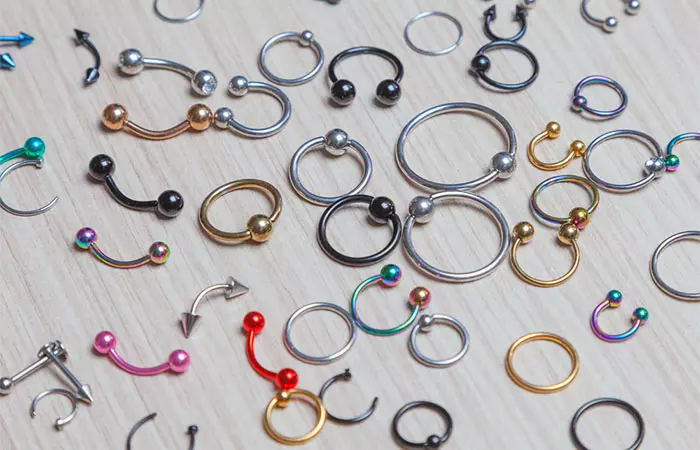
The ideal metal for piercings varies depending on several factors, such as the piercing’s location, the length of time it takes to heal, and the sensitivity level of the individual. In general, jewelry can be crafted from a variety of metals. But, when it comes to jewelry for piercings, you need to make sure that the piece you select for your new piercing is made of the best material available, one that is long-lasting, hypoallergenic, and safe for the body. Choosing the wrong metal for a new piercing can cause a lot of problems, including poor healing and an increased risk of infection, even with the best aftercare routine. Here are some of the best piercing jewelry materials ( 1 ):
- Surgical Stainless Steel (SSS)
View this post on Instagram A post shared by Joyería en Stainless Steel (@yjewelspr)
Surgical-grade stainless steel is one of the most common and safe materials suitable for open wounds like fresh piercings. Also, it is particularly durable and affordable, ideal for first piercings. It is crucial to make sure that the stainless steel has a low carbon content and does not release trapped alloys to avoid allergic reactions and skin irritation. Additionally, this metal does not react with bodily fluids, minimizing the risk of infections.
Choose a 316L or 316LVM stainless steel for your piercing since they are less prone to trigger allergies and more suitable for the human body. Even though stainless steel is relatively hypoallergenic, it does contain metals like nickel that can irritate the pierced skin and interfere with the healing process.
- Titanium
View this post on Instagram A post shared by Escoria body jewelry & titanium piercing (@escoriabjt)
For new piercings, implant-grade titanium is a highly recommended metal. Titanium is lightweight and renowned for its hypoallergenic and biocompatible properties, making it a great option for first piercings. Since it contains very little nickel, people with sensitive skin or an allergy to metals can use it.
This metal’s resistance and strength and its ability to withstand corrosion ensures durability even in challenging conditions. As a result, titanium becomes the material of choice for those who want their piercing to be both safe and comfortable.
Tarila, a blogger, shares her experience with using titanium piercing jewelry for a nose piercing , in her personal blog. She writes, “My nose ring was titanium which is the safest metal for body jewelry and best for people with sensitive skin. Surgical steel also wasn’t a good option for me as I live up north where it gets really cold during the winters and surgical steel gets really cold ( i ).”
- Niobium
View this post on Instagram A post shared by Noah Babcock (@noahbabcock)
Niobium emerges as a higher-quality alternative to titanium for body jewelry with nearly equal qualities. It can be used for any piercing since it has the same properties as titanium, including color manipulation and non-reactivity with the body.
Niobium is hypoallergenic and suitable for people with sensitive skin or allergies, becoming increasingly popular for body piercings . Its softness, malleability, and low toxicity add to its appeal. Moreover, niobium requires less maintenance, especially for fresh piercings, because of its resistance to oxygen, body fluids, and cleaning agents. Thus, it is a great choice for people allergic to metals and looking for something high-grade and little maintenance.
- 14k/18k Gold
View this post on Instagram A post shared by Solid Gold Body Piercing Edinburgh (@boldandgoldpiercingart)
Gold is one of the best metals for body piercings because of its superior quality. When choosing body jewelry, higher-grade gold is preferable because it is purer and comprises fewer alloys. Opt for jewelry made with 14k to 18k gold since it is of the highest quality. Using at least 14k gold is recommended for healing piercings as it contains fewer metals and lowers the possibility of allergic responses.
Gold, like titanium, is safe for the body and resists tarnishing. Though 18k gold can also be used for body piercings, 14k gold is mostly recommended due to its longevity. Those who are sensitive to other metals should ensure that the gold used is of good quality to reduce the risk of allergic reactions. If it is only plated, the plate can wear down. Hence, it is important the inner material is also made of a high-quality material – like a gold plated surgical steel.

- Platinum
View this post on Instagram A post shared by Platinum Tattoos & Piercings (@platinumtattoospiercings)
Although platinum is uncommon in body jewelry, it is the most costly yet perfect material for long-term body piercings. It is a great option for individuals looking for long-lasting wear because of its remarkable durability and low maintenance needs.
Platinum exhibits superior purity when set against gold and other precious metals, guaranteeing authenticity. Its hardness, similar to that of stainless steel, adds to its durability and toughness. Platinum is the material of choice for everyday body piercing wear because of its hypoallergenic qualities and resistance to corrosion. However, its position in the market for body jewelry is limited because of its rarity and high cost.
- Pure Silver
View this post on Instagram A post shared by TIYSHA – Handcrafted pure silver jewellery (@thetiysha)
Although popular for necklaces and earrings, wearing silver jewelry for body piercings is unsuitable because of its tarnish tendency and possible allergic metals like nickel. Sterling silver that is commonly marketed as ‘pure’ generally contains just 92.5% silver. It also contains other metals like nickel or copper that can aggravate skin conditions, particularly when the skin is healing ( 2 ). It has a fragile texture and is easily broken, even with a higher silver content, which is unsafe. While less prone to allergies, it’s usually not recommended for initial piercings but can be used after the piercing has healed.
- Biocompatible Plastics
View this post on Instagram A post shared by Pierced By Gina (@piercedbygina)
PTFE (Teflon), silicone, and Bioplast are a few plastics that are frequently used in body jewelry and are considered safe for human use. Developed especially for body piercings, bioplast is less expensive and more biocompatible than metal alternatives. Since these plastic materials are flexible, they are perfect for piercings made in areas that move a lot like stretched ears. They offer a playful touch to your piercing and are available in a variety of colors and styles. However, plastic jewelry may not last as long as metal and may smell, especially in stretched lobes. Therefore, it is important to clean it frequently.
Plastics like PTFE (Teflon) or BioFlex are good substitutes for those allergic or sensitive to metals. They are a sensible option for body piercings because of their flexibility that may reduce irritation throughout the healing period.
- Glass And Organic Materials
View this post on Instagram A post shared by Glass Body Jewelry (@glass_bodyjewelry)
Bone, horn, wood, and glass piercings are acceptable, although they should not be used for fresh piercings because of sterilization restrictions. Glass can break inside the piercing, increasing the risk of infection, even though it is smooth and sterilizable. Organic materials are inappropriate for newly placed piercings because they are permeable and susceptible to bacteria. They should only be worn for brief periods of time once the piercing has healed and never in water or while sleeping. They are frequently used for plugs and earrings are not suitable for smaller gauges and are typically for stretched piercings.
While certain metals like stainless steel and titanium excel in their suitability for piercings, others such as nickel are not suitable for piercings, posing risks of allergic reactions and irritation. Scroll down to find out in detail about them.
Key Takeaways
- Surgical-grade stainless steel, titanium, gold, and niobium are among the best metals for initial piercings due to their hypoallergenic properties and resistance to corrosion.
- Avoid getting piercings done with metals like nickel since many people have metal sensitivities or allergic responses like irritation, itching, and inflammation to it.
- While selecting metals for piercings, it is important to take into account personal sensitivities and allergies.
What Materials Are Not Suitable For Piercings?
View this post on Instagram A post shared by The American Tradition Piercing (@tatsactopiercing)
- When considering materials for body jewelry, it is important to avoid nickel, as it is responsible for most skin sensitivities and can lead to allergic reactions over time ( 3 ).
- Low-grade metals such as chromium, copper, nickel, and zinc are not recommended for body piercings since they may result in allergic responses, infections, or even the body rejecting the piercing ( 4 ). For piercing experiences that are safe and comfortable, it is essential to emphasize biocompatible materials and stay away from jewelry that contains nickel.
- Silver jewelry may lead to poisoning, causing the skin to become discolored and form lesions ( 5 ).
- Iron is prone to rust and can cause severe reactions due to its reactivity.
- Plated gold flakes can come off and the underlying metals may be exposed, causing problems if they are not inert.
While most, if not all, piercers recommend avoiding the above materials, they promote the use of titanium and surgical steel jewelry. But which of the two is the best? Keep reading to find out!
Is Titanium Better Than Surgical Steel For Piercings?
Shutterstock
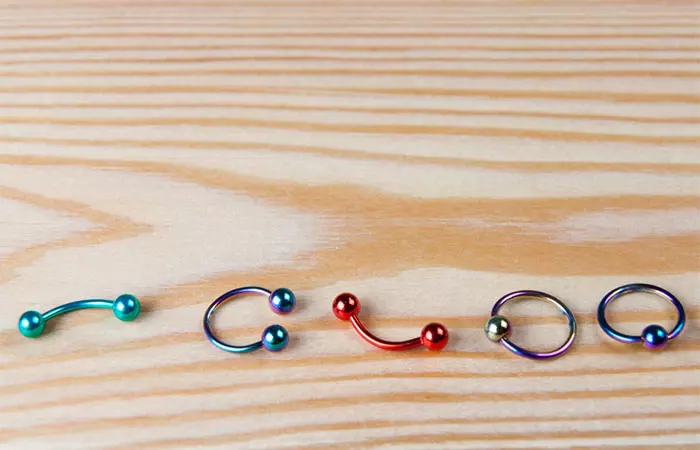
Titanium is the better option when it comes to body piercings compared to surgical steel, especially for those who have sensitivity issues.
- Titanium is an elemental metal free of nickel, as it is not combined with any additional alloys that are frequently used in body jewelry.
- This makes it safe for those allergic to metals typically used in such jewelry.
- Additionally, titanium boasts comparable strength to surgical steel, ensuring it can withstand impacts just as effectively, making it suitable for body jewelry subject to frequent movement.
- Moreover, titanium’s lightweight nature, similar to aluminum, makes it comfortable for all-day wear, whether at work, home, or social outings.
- It is the perfect material for body piercings because of its strength, lightweight, and hypoallergenic qualities, and resistance to corrosion, all contributing to an improved piercing healing process.
- Using titanium jewelry for a piercing may lower the possibility of problems like allergic reactions or infections. This is especially important in the early stages of recovery when the body is most vulnerable to foreign substances.
In addition to these key factors, it is also important to keep your piercing jewelry clean to avoid infections at the piercing site, especially when the piercing wound is still fresh. Precautions to ensure a smooth piercing experience do not end with choosing a safe metal but also extend to maintaining its hygiene and quality. So, do ask your piercer for instructions on how to clean piercing jewelry as well.
Now, let us debunk some common myths about piercing metals.
Common Myths About Piercing Metals
- The most common myth about piercing jewelry is that gold is the best metal for them. While gold is great, it is not always safe. This is because not all gold jewelry is created equal. They may still contain nickel that can irritate sensitive skin ( 6 ) . So, if you are considering gold, always opt for high-quality gold that is nickel-free.
- Many people also assume that all metals used in piercing jewelry are interchangeable. However, different metals have varying properties. Some may be safer, while others may cause allergic reactions.
Infographic: A Guide To Choosing The Right Metal For Piercing Jewelry
The choice of metal for piercing jewelry is crucial for an easy healing process and helps maximize comfort. The right material choice ensures that your new piercing doesn’t turn out to be a nightmare. Be it surgical stainless steel or gold, each variety has its unique charm and benefits. The infographic below provides a breakdown of the best materials for piercings. Scroll down to check it out.
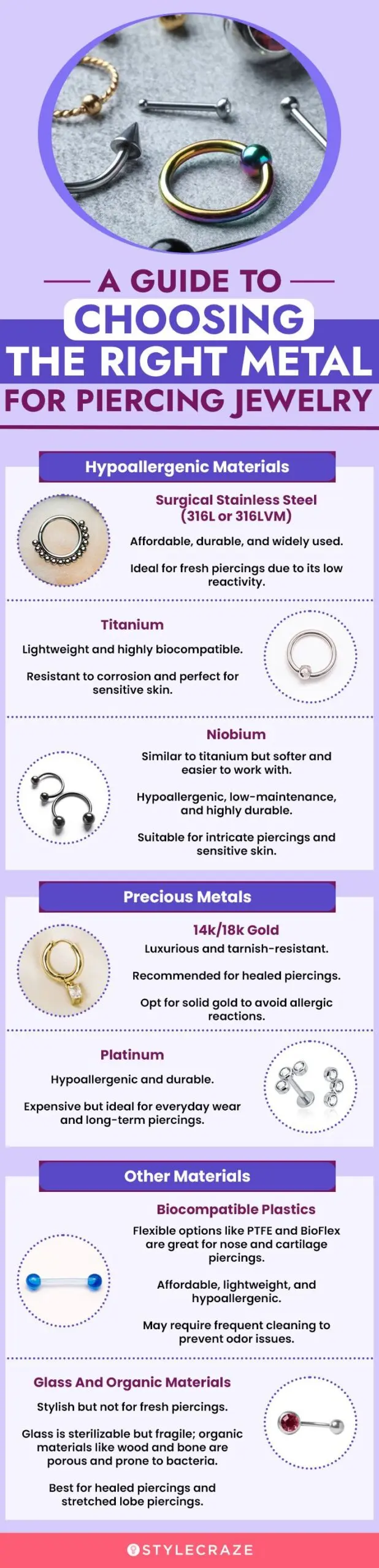
It is important to take your body’s health and safety into account in addition to aesthetic appeal when deciding which metals are appropriate for your piercings. Metals such as nickel and sterling silver should be avoided because they can trigger allergic reactions and irritation, while titanium and surgical stainless steel stand out as excellent options because of their hypoallergenic qualities and durability. Keep in mind that purchasing premium, biocompatible materials for your piercings guarantees not only an elegant look but also encourages healing and comfort over a long period of time. Always consult with a professional piercer and prioritize your well-being when selecting jewelry for your piercings.
What is the least reactive metal for piercings?
Titanium’s biocompatibility and hypoallergenic qualities make it an excellent choice for anyone with sensitive skin or metal allergies, making it the least reactive metal for piercings. Additionally, it is a popular choice for body jewelry because of its dependability, lightweight design, and corrosion resistance.
What is the best metal for piercing bumps?
Surgical-grade titanium or stainless steel are frequently advised for piercing bumps since they are hypoallergenic and less likely to aggravate the bump or cause inflammation. Avoiding metals such as nickel is important because they may aggravate the illness and cause allergic reactions. In addition, maintaining cleanliness and ensuring appropriate aftercare can aid in healing and minimizing the creation of bumps around the piercing.
Can mixing metals in multiple piercings cause any adverse reactions or complications?
Mixing metals in multiple piercings can increase the risk of allergic reactions, galvanic corrosion, and infection due to potential irritation and bacterial entry through piercings. Minimizing these risks and accelerating recovery requires selecting jewelry of the highest quality made of materials that are compatible with your skin type and following the recommended aftercare guidelines.
What is the best type of metal for nose piercing?
Hypoallergenic and biocompatible metals minimize the possibility of allergic reactions and inflammation, making them the ideal choices for nose piercings. Due to its compatibility with most skin types and low risk of adverse reactions, surgical-grade stainless steel, titanium, niobium, and 14k or 18k gold are often recommended for nose piercings.
Discover the magic of titanium jewelry for piercings! Dive into the world of titanium and uncover why it’s hailed as the top choice for comfortable, safe, and stylish piercings.
Personal Experience: Source
StyleCraze’s articles are interwoven with authentic personal narratives that provide depth and resonance to our content. Below are the sources of the personal accounts referenced in this article.
References
- Tattooing And Body Piercing Guidance https://www.cieh.org/media/2004/tattooing-and-body-piercing-guidance-toolkit-july-2013.pdf
- Selected Biomarkers Revealed Potential Skin Toxicity Caused by Certain Copper Compounds https://www.nature.com/articles/srep37664
- Nickel Allergy https://www.ncbi.nlm.nih.gov/books/NBK557638/
- Metal Allergy and Systemic Contact Dermatitis: An Overview https://www.ncbi.nlm.nih.gov/pmc/articles/PMC3369403/
- Body Piercing https://www.ncbi.nlm.nih.gov/pmc/articles/PMC1496593/
- Management of contact dermatitis due to nickel allergy: an update https://pmc.ncbi.nlm.nih.gov/articles/PMC3047925/
Best Piercing Metals for Safe Healing
Watch this video to learn which piercing metals heal fastest, resist corrosion, and prevent infections. Discover hypoallergenic options like titanium and surgical steel. Dive in and watch now!



Community Experiences
Join the conversation and become a part of our empowering community! Share your stories, experiences, and insights to connect with other beauty, lifestyle, and health enthusiasts.


Every person deserves a crown to honor the extraordinary person you are! If not a real crown, a tattoo will suffice! Crown tattoos are extremely popular among tattoo enthusiasts, as they symbolize royalty and authority. They are inked using different art styles. While some like simple black ink tattoos, others go for elaborate tattoos spread across a large part of their skin. If you want to know what crown tattoos mean and want to check out some cool designs, you are at the right place!
In This Article
Meaning Of Crown Tattoos
Crown tattoos on a broad scale represent power and authority. The design is rooted in the historical significance of crowns. In the ancient world, crowns were considered symbols of royalty and leadership. For many, crown tattoos signify a personal journey toward self-respect.
In relationships too a crown can symbolize loyalty. They are often paired as King and Queen tattoos and worn as a sign of commitment. Additionally, crowns can also be the perfect designs to celebrate your true self.
8 Creative Crown Tattoo Ideas
If you want to check out some crown designs to inspire your next tattoo, you are at the right place. Read on for some truly creative tattoos featuring crowns and learn innovative ways to customize them. You may also explore artistic tattoos to get more ideas on how to enhance your crown tattoo.
1. Queen Crown Tattoo
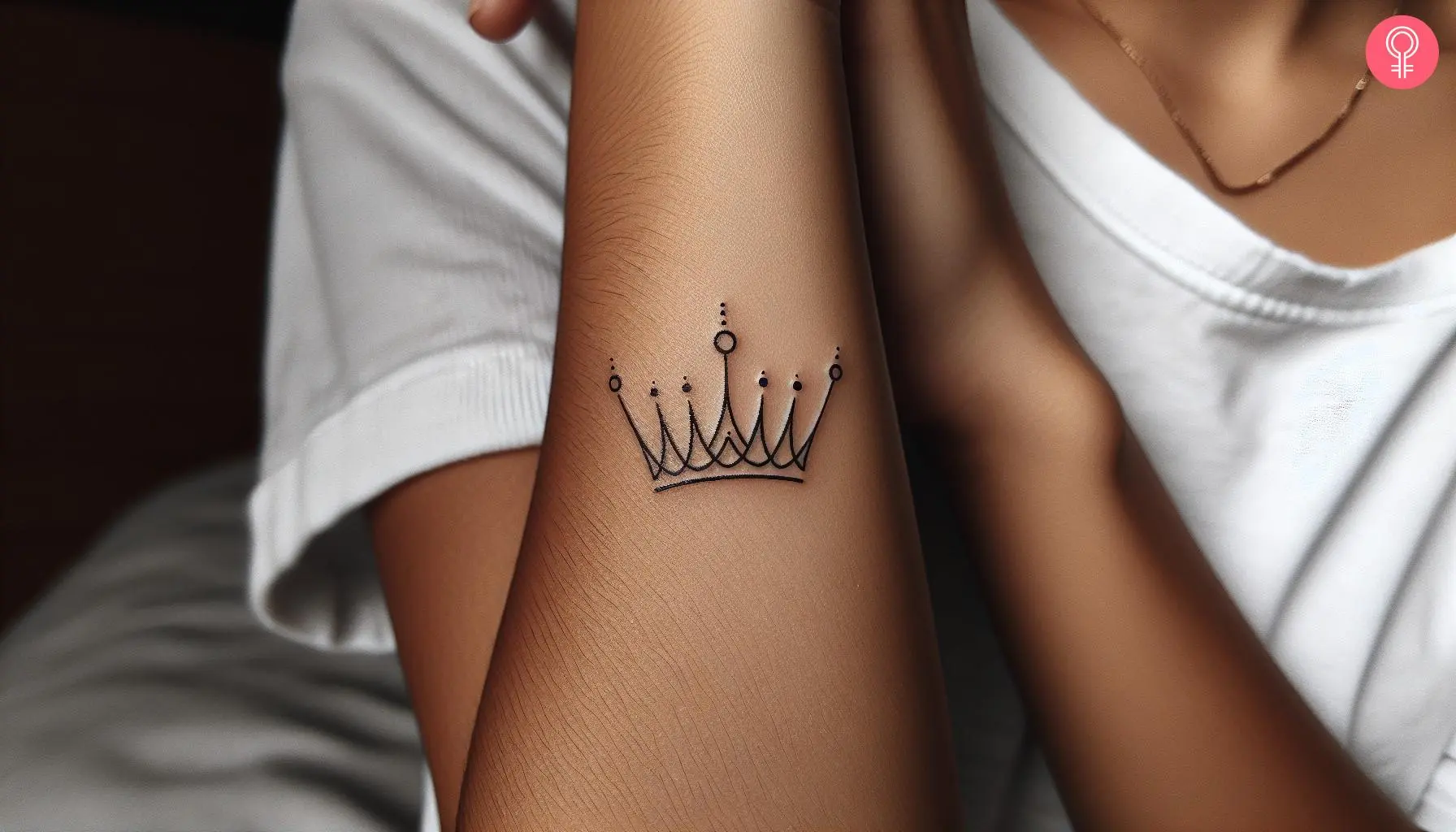
This tattoo is what every queen would want on their skin. This tattoo is made of thin lines and the size is not bigger than a coin. The combination of lines and dots makes the tattoo very dainty. You can get this tattoo inked on the forearm or the wrist. The crisscross of the lines makes this tattoo one of a kind. You can also add the word ‘Queen’ under the tattoo if you want.
2. King Crown Tattoo
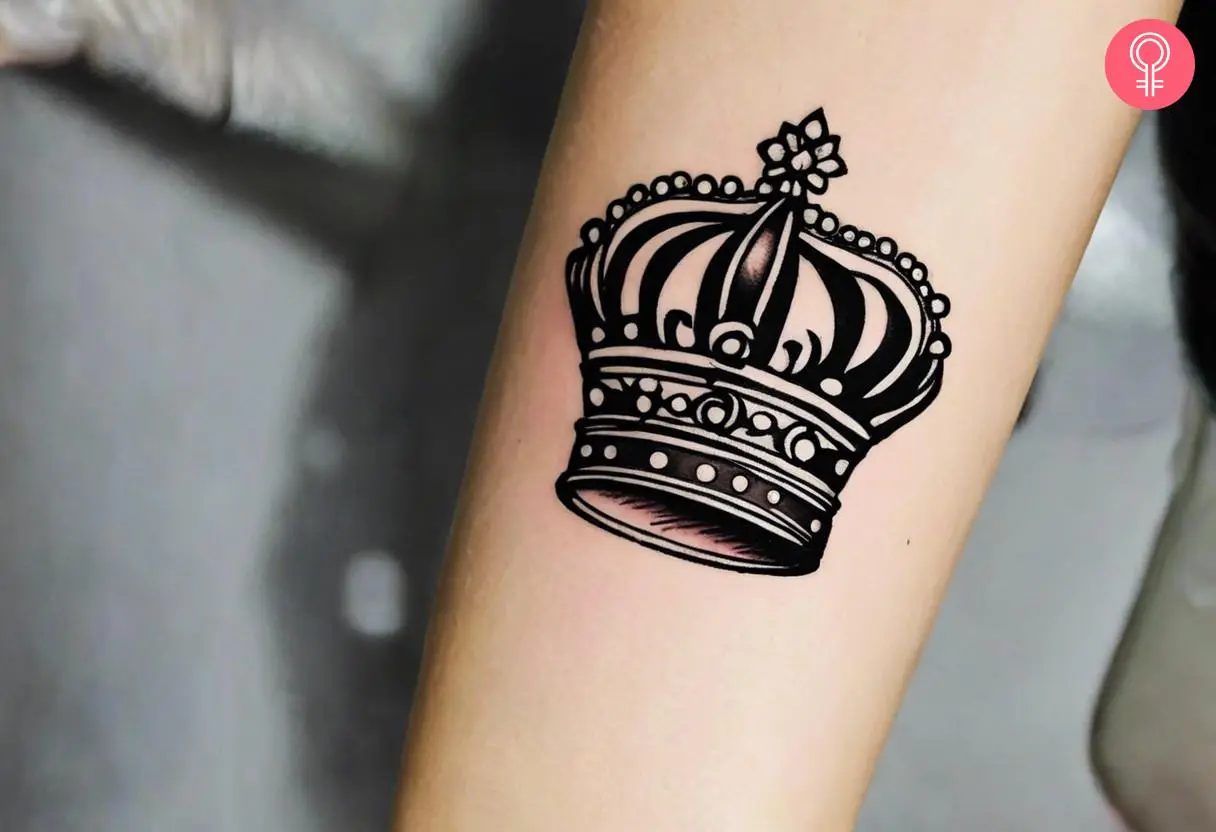
Crowns that are made for kings are bigger and more elaborate. This royal tattoo is made in black ink. It has an antique dome shape that forms a very interesting shape. The tattoo has strips of black ink and lines. You can have this tattoo inked on your forearm. The dotted decoration and intricate designs make this tattoo perfect to be worn on any part of the skin.
3. Crown Of Thorns Tattoo
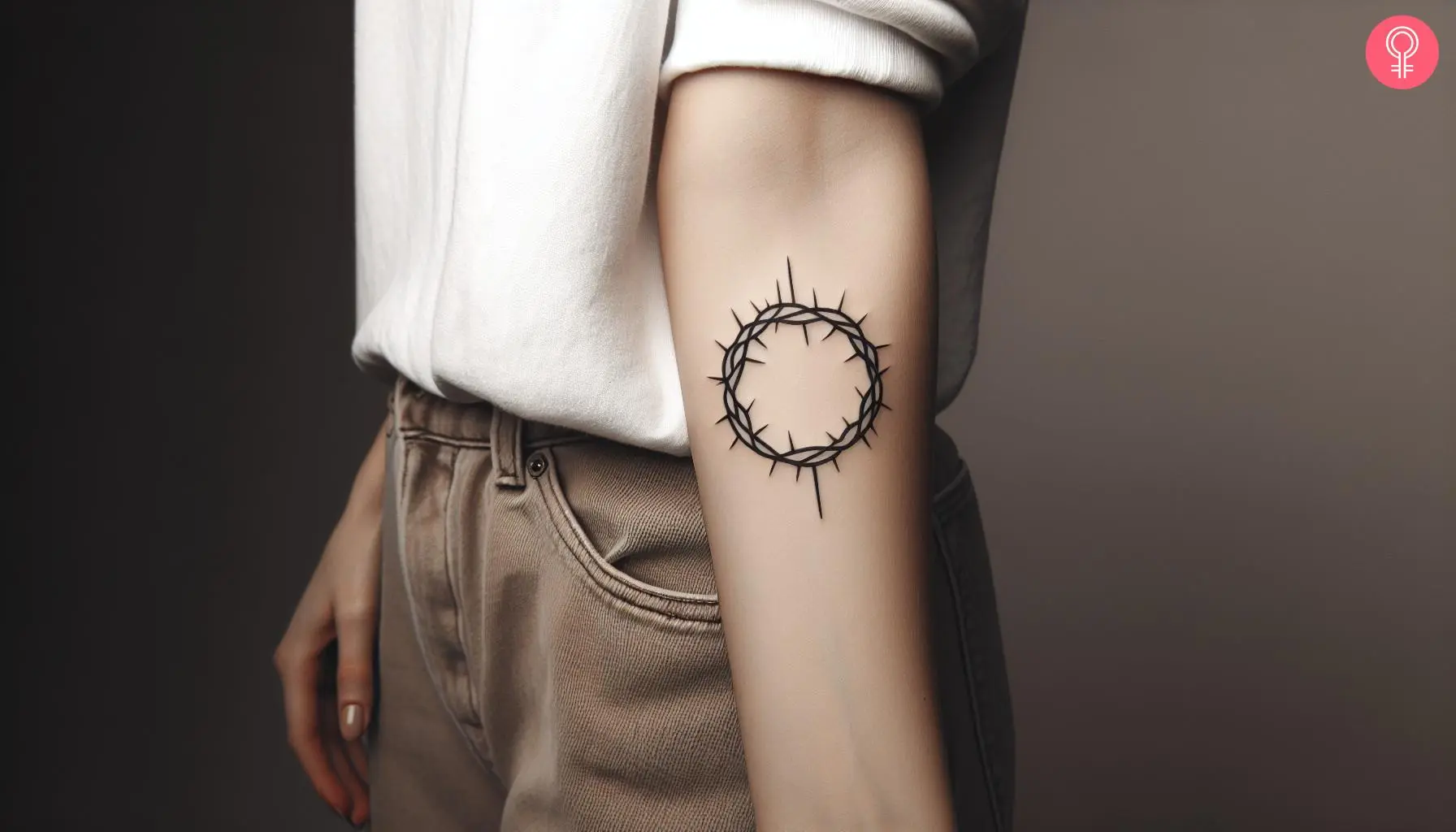
A thorn crown is one of the most popular tattoos ever. It signifies thankfulness for the sacrifice Jesus made. You can have this tattoo inked on your forearm or your upper arm. The tattoo is in the shape of a halo. Some even have the crown wrapped around their wrist or ankles like a band tattoo.
4. Lion With A Crown Tattoo
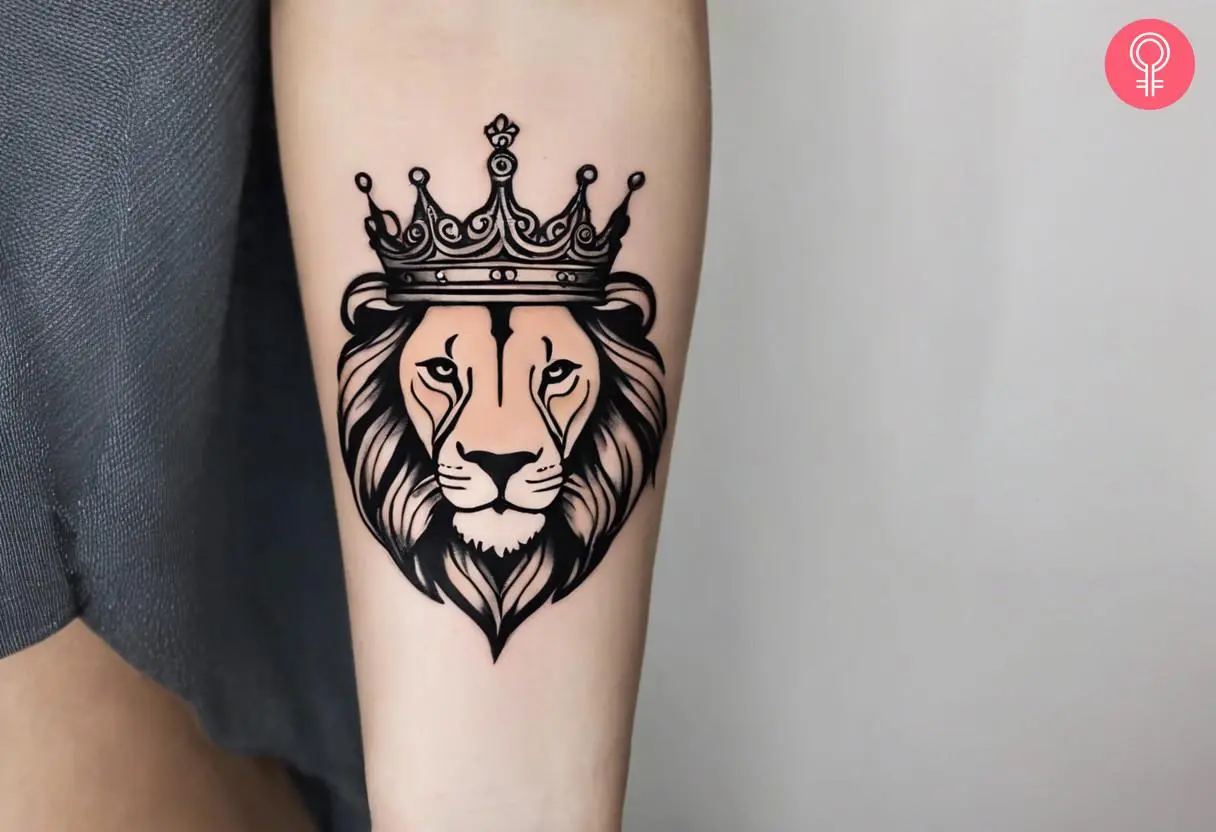
The lion is the king of the jungle and represents leadership. This tattoo has a lion’s head with a crown inked on the forearm. It is made with plain black ink, so it suits all skin tones. The tattoo is inked in a very simple art style and can be scaled to your liking. If you want you can also get this tattoo inked on your upper back.
5. Princess Crown Tattoo
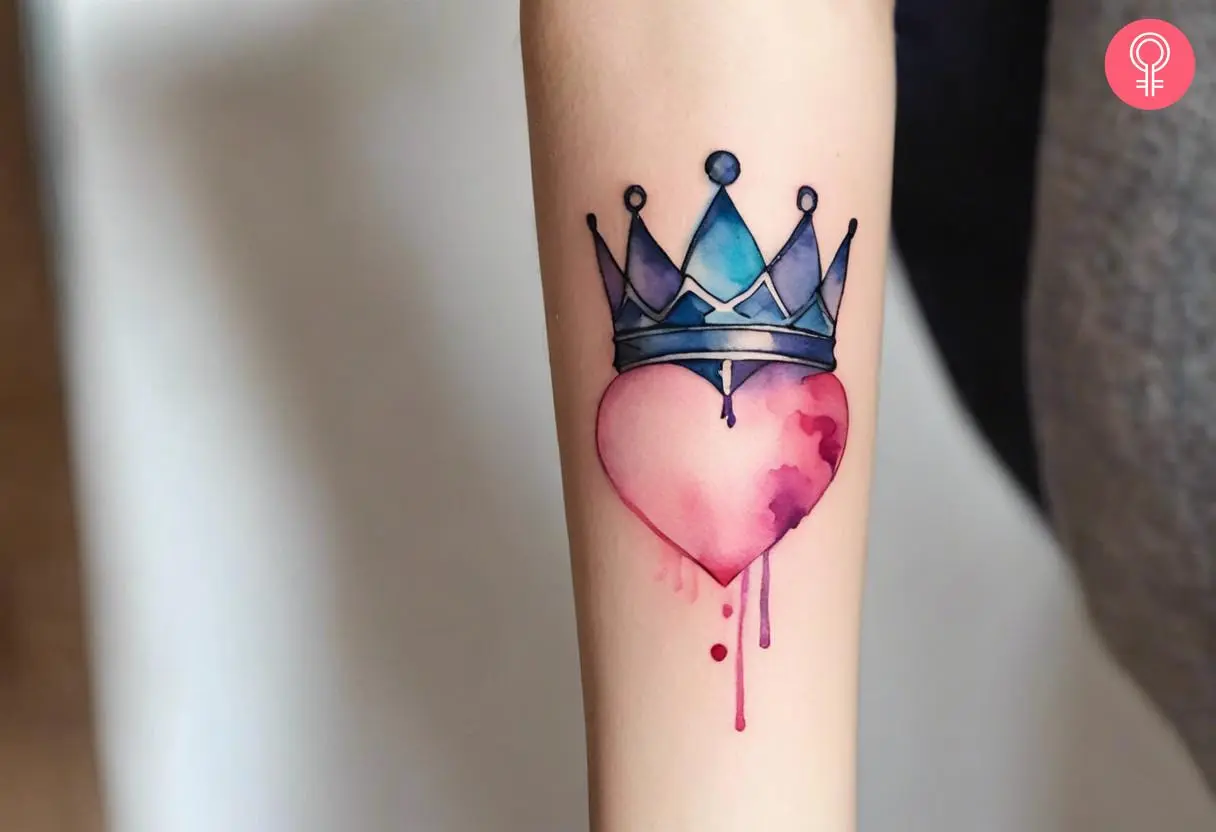
This tattoo is perfect for all daddy’s princesses! The tattoo combines the colors blue and pink to make the most beautiful tattoo. It has a pink heart with a blue crown. The tattoo is inked using a watercolor style. The perfect symmetry of the design makes it perfect to be inked on any part of your body.
6. Black Queen Crown Tattoo
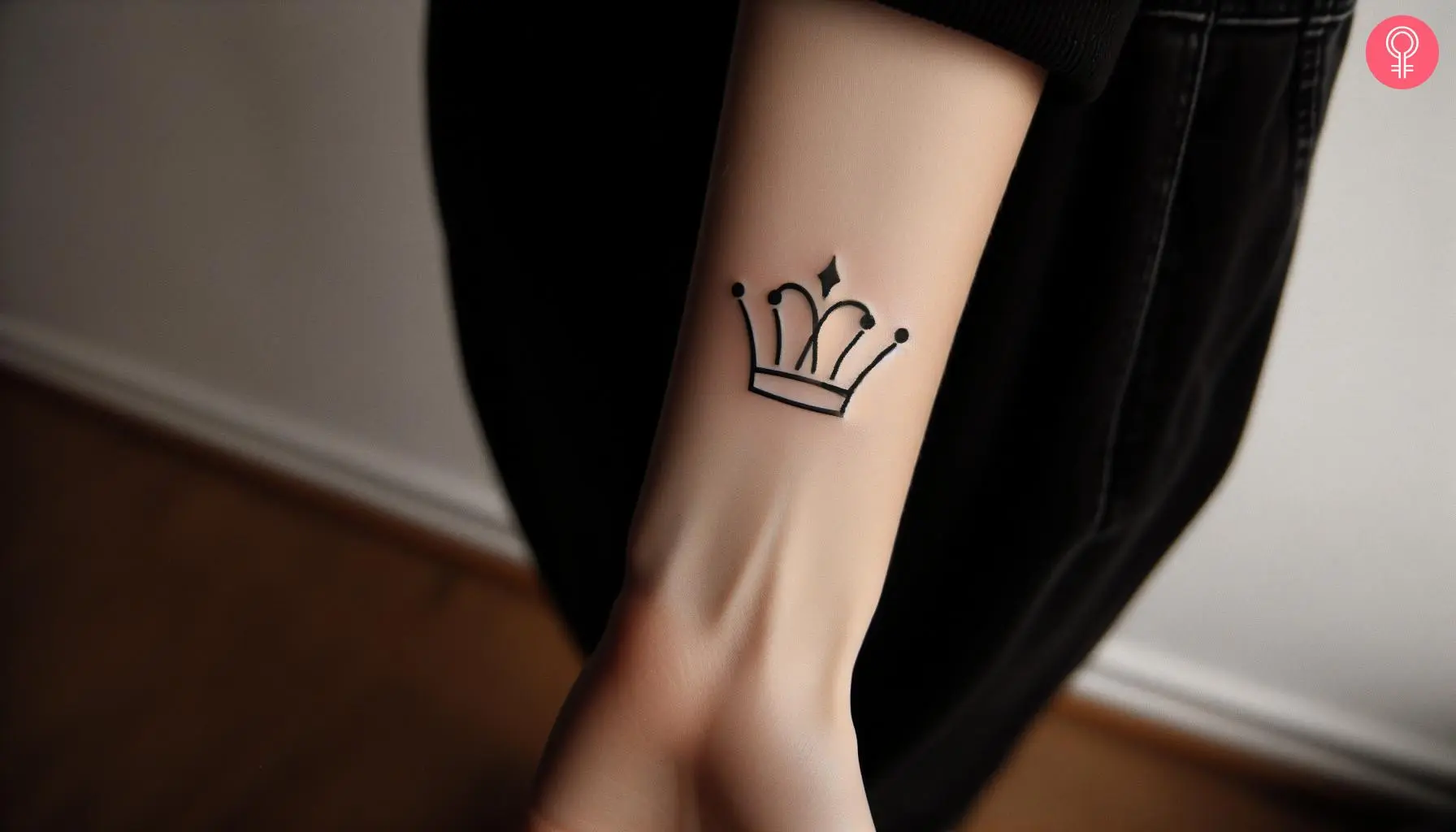
The crown tattoo couldn’t get simpler! This tattoo is made with just 8 curved lines! It is so uncomplicated yet so attractive. You can add a star to it to make the jewel on top. The tattoo can be placed on the wrist or the back of the hand as well. The use of black ink makes the tattoo a perfect design for all skin tones.
7. Crown Tattoo On Hand
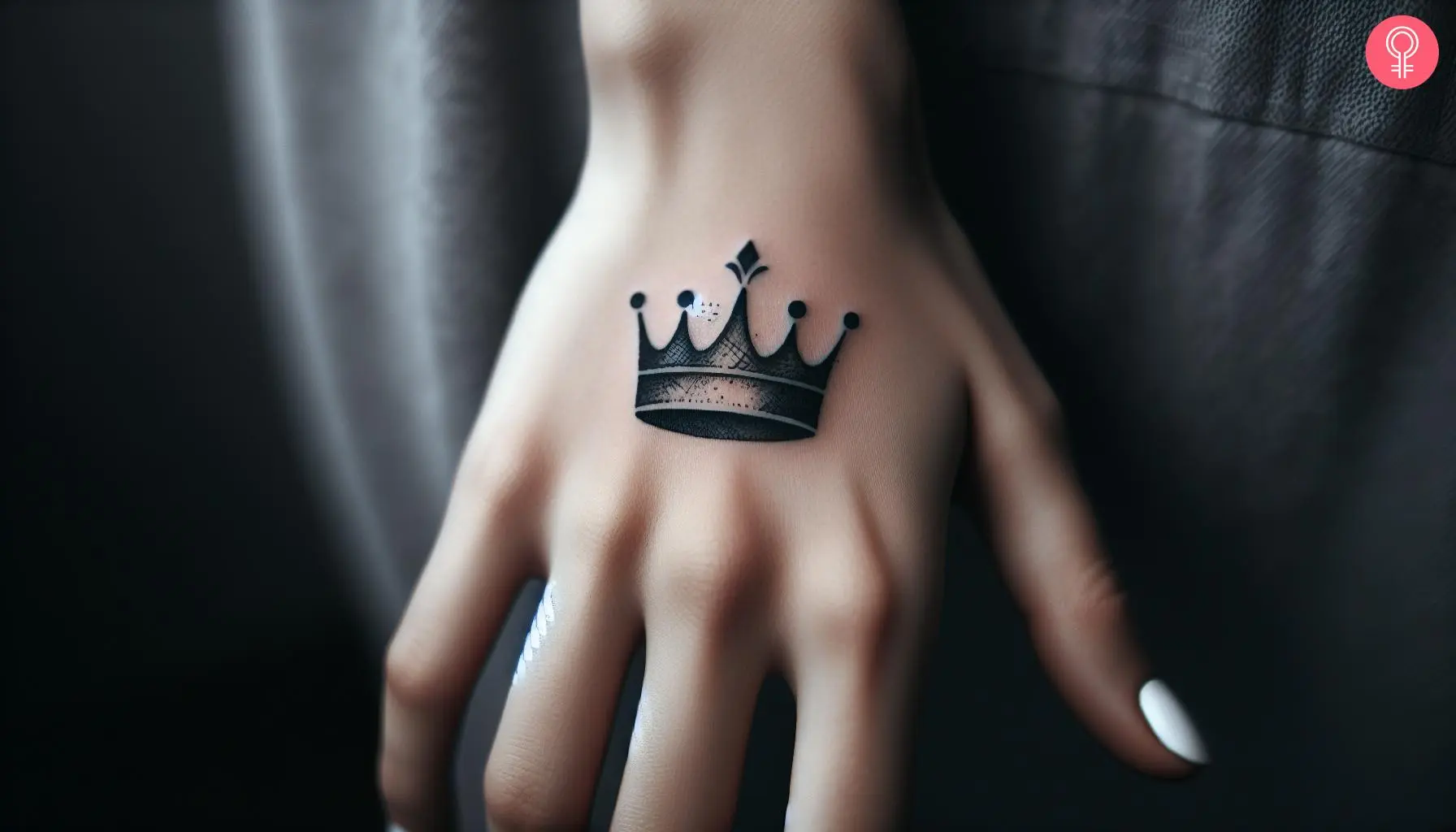
If you have a higher pain tolerance then this tattoo is for you. Hand tattoos are more painful during the inking process because of the presence of nerve endings and close-set bones. But if you can endure it, then it’s with everything! This hand tattoo is inked in traditional style and has the perfect shade and highlight to give it a metallic look.
8. Simple Queen Crown Tattoo
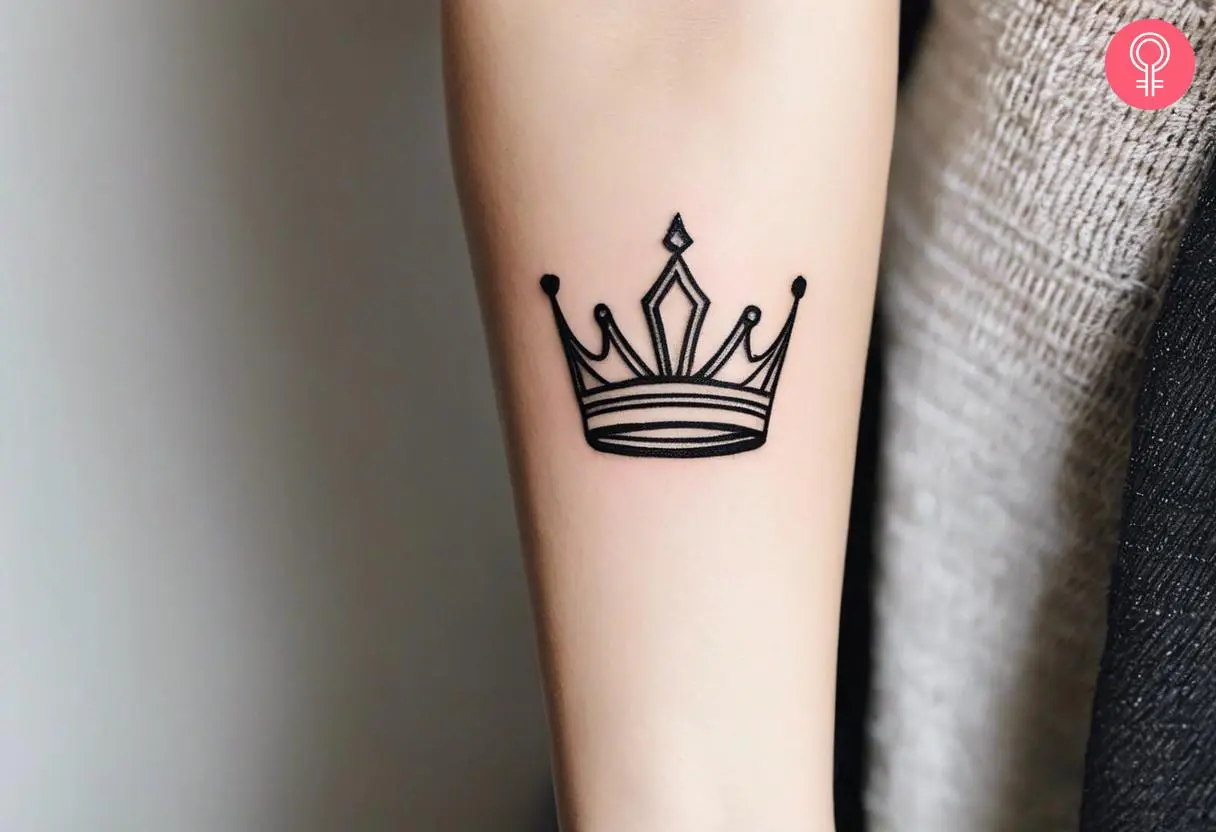
If you like simple tattoos, then this line tattoo is for you. This tattoo has decorations on top of the crown ring. The use of plain black ink makes it perfect for everyone. You can scale the tattoo to your liking. The perfect symmetry makes this queen tattoo ideal for inking on various body parts.
The best part of crown tattoos is that they can be as elaborate as you want or as minimalist as you like. The tattoo can be drawn using different art styles. It can be inked in any color you like as well. Some prepare to have it colored in realistic colors, while others like using simple lines to create an outline tattoo. The placement of the tattoo also depends on where you want to flaunt it. We hope you find your dream tattoo design soon! However, whatever design you choose, make sure to practice tattoo aftercare stringently. For this, use unscented soap and lotion to keep the area clean and moisturized at all times. Avoid exposing your tattoo to direct sunlight, as the sun can cause the colors to fade. Also, avoid using abrasive skin products that can irritate your skin. This will allow the tattoo to heal completely and look as fresh as ever.
Top Crown Tattoo Designs to Inspire You
Check out our video showcasing unique crown tattoo designs, placements, and combos. Get creative tips and inspiration—watch now for stylish ink ideas! Don’t miss out!
Community Experiences
Join the conversation and become a part of our empowering community! Share your stories, experiences, and insights to connect with other beauty, lifestyle, and health enthusiasts.


