Do you experience low energy during the day? Is your productivity going down? Do you feel out of breath and tired quickly? You may be eating well, but the type, quantity, and quality of foods you eat play a role in increasing your stamina.
Almost all foods are energy-giving foods, but certain nutrients help build stamina naturally to help you stay alert and increase productivity. Here is a list of energy-giving foods that increase stamina. Read on to find out more about them!
In This Article
Top 28 Stamina-Building Foods
These foods have specific properties that improve energy production and endurance, in addition to providing vital nutrients. Your diet can help you sustain high energy levels all day long if you include a range of items around.
1. Banana
iStock
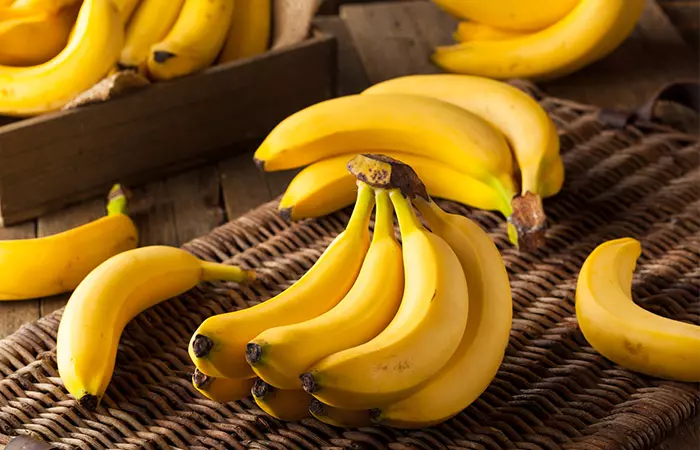
The magnesium in bananas helps boost metabolism i The natural chemical process in the body responsible for converting food and drinks into energy, which is essential for survival. and is a cost-effective energy source that increases exercise endurance ( 1 ), ( 2 ). A study showed that eating a banana as a carbohydrate source during a 75km cycling performance increased stamina and endurance ( 3 ).
2. Nuts
Nuts are considered to be an instant-energy food. A fistful of nuts is a powerhouse of proteins, bioactive compounds, and polyunsaturated fatty acids ( 4 ). Thus, it is a healthy snack to build stamina.
Nuts are rich in omega-3 fatty acids that help build exercise endurance and increase blood flow to the working muscles ( 5 ). Omega-3 fatty acids also act as an ergogenic supplement (substances that increase athletic performance) to improve the health and energy of muscles for exercise efficiency ( 5 ).
3. Brown Rice
iStock
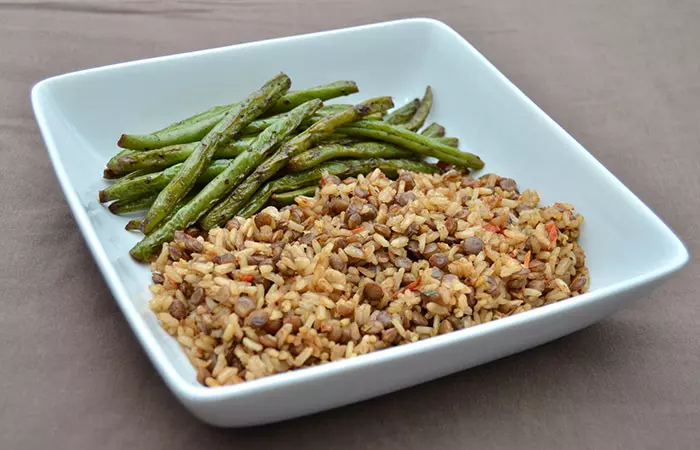
Carbohydrates are a primary source of energy to keep you active throughout the day ( 6 ). About 100 g of medium-grain brown rice contains 112 kcal of energy, 2 g of fiber, 2 g of protein along with essential vitamins and minerals 100 g of medium-grain brown rice contains 112 kcal of energy, 2 g of fiber, 2 g of protein along with essential vitamins and minerals ( 7 ).
Brown rice is lower in starch and higher in fiber compared to white rice and, hence, takes longer to digest ( 6 ), ( 8 ). This helps keep the stomach full for longer, energizes the body, and helps maintain stamina levels. High-carbohydrate foods like rice help to relax your muscles and tissues and offer recovery from fatigue after strenuous exercise ( 9 ).
4. Fatty Fish
Fish is incredibly nutritious and a good source of protein, vitamins, minerals, and omega-3 fatty acids.About 100 g of wild salmon contains 142 kcal of energy, 20 g of protein, omega-3 fatty acids, and vitamins ( 10 ).
A study showed that a decreased level of omega-3 fatty acids can lead to chronic fatigue i A state of extreme tiredness that can stretch up to 6 months or more and hinder day-to-day activities. and may reduce immunity ( 11 ). Salmon contains 3 mg of vitamin B12, and tuna (a fatty fish) contains 2 mg of vitamin B12 ( 10 ), ( 12 ). Vitamin B12 helps in energy metabolism, reduces fatigue, and increases stamina ( 13 ).

5. Eggs
Eggs are one of the most nutritious foods and a great source of protein. and great sources of protein and rich in vitamins, minerals, and antioxidants ( 14 ). Protein-rich foods help build stamina, maintain positive energy balance, improve exercise endurance, and recover muscle protein remodeling and recovery after a workout ( 15 ), ( 16 ).
Leucine, an amino acid abundant in eggs, helps in energy metabolism and protein synthesis ( 14 ), ( 17 ).
6. Chicken
Chicken is an excellent source of lean protein. A whole skinless chicken contains 19 g of protein and 110 kcal of energy ( 18 ). High-protein food provides satiety, which leads to lower calorie and carbohydrate intake, and help build endurance, energy, and stamina in athletes ( 18 ), ( 19 ).
A study showed that chicken essence (a liquid extracted from chicken) can help improve health, metabolism, and exercise performance as well as provide relief from fatigue ( 20 ).
7. Apples
Apples are loaded with energy-giving calories, carbohydrates, fiber, iron, vitamins, and minerals ( 21 ). Quercetin – a polyphenol found in apples – helps boost immunity, fights inflammation, and keeps you energetic for longer ( 22 ).
Apples are also high in fiber. Soluble fiber, such as that in the flesh of an apple, can help increase satiety, which keeps you feeling full and energetic for longer ( 23 ).
8. Sweet Potato
iStock
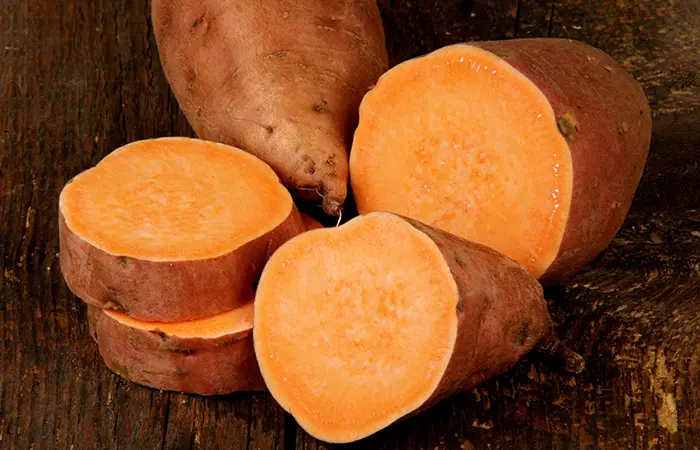
We often avoid eating potatoes for the fear of gaining weight. However, sweet potatoes are filled with essential nutrients. About 100 g of sweet potato provides 86 kcal of energy, 20 g of carbs, 2 g of protein, and 3 g of fiber ( 24 ).
A study conducted on people with diabetes found that complex carbohydrates and fiber take a longer time to digest ( 25 ). Thus, they supply energy and help you stay alert for a longer time.
The manganese found in sweet potato helps in metabolizing nutrients to release energy constantly ( 24 ), ( 26 ).
9. Beans
Beans are rich in nutrients and a natural source of energy. About 100 g of beans contain 337 kcal of energy, 23 g of protein, 61 g of carbs, and 15 g of fiber ( 27 ).
Beans contain slowly digestible starch that causes a slow release of carbs and maintains energy levels ( 28 ). They also contain a good amount of magnesium ( 27 ). Magnesium is necessary for accelerating biochemical pathways and releasing energy ( 29 ).
10. Dried Fruits
Dried fruits provide instant energy. They contain bioactive compounds, vitamins, minerals, and antioxidants ( 30 ). They are also a rich source of sugars that provide energy ( 31 ).
You can consume dried fruits when you have high glucose levels and are feeling weak. This is because dried fruits, like raisins, are high in sugar content but have a low glycemic index i A scale that measures the amount of carbohydrates in food and how the consumption of each affects glucose levels in the body. due to the bioactive compounds and fiber in them ( 32 ).
Dried fruitsare also rich in omega-3 fatty acids that are responsible for providing energy, building stamina, and increasing exercise endurance ( 5 ), ( 33 )
11. Coffee
iStock
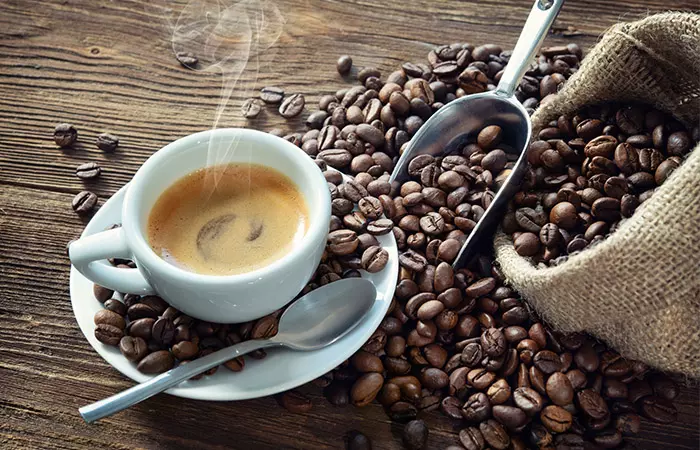
Coffee is the first thing that people think of to boost their energy when they are feeling low. Caffeine is a naturally occurring alkaloid present in coffee that helps to reduce fatigue and tiredness ( 34 ).
Caffeine stimulates and energizes your brain, making it alert and active. Though excess caffeine or coffee is harmful, it can be consumed in limited quantities to help treat migraines and build your stamina.
In a survey , 405 physically active participants were asked about their most sought-after product in sports nutrition. Caffeine-containing foods were the most commonly consumed group of foods 135 participants to support their exercise performance.
12. Dark Chocolate
Dark chocolate contains more cocoa and caffeine than milk chocolate. It has a stronger taste and flavor and promotes satiety ( 35 ). Caffeine not only helps improve memory performance, but at low doses, it can also help reduce anxiety ( 36 ).
A study conducted at Kingston University (UK) shows that the consumption of dark chocolate increases exercise performance and helps deliver oxygen to the brain and muscles during moderate-intensity exercise ( 37 ).
Another study conducted on 30 healthy individuals showed that cocoa flavonols boost your mood and energy and help reduce mental fatigue ( 38 ).
13. Quinoa
Quinoa is popular because of its protein content. About 100 g of quinoa contains 120 kcal of energy, 4 g of protein, 17.63 g of starch, and 3 g of fiber along with vitamins and minerals ( 39 ).
Slowly digestible starch aids the continuous supply of glucose and energy to the body, thereby building stamina and helping you stay active ( 28 ), ( 40 ).
14. Oatmeal
Oatmeal is a whole grain that keeps you feeling full for longer. The beta-glucan and amylose content of oatmeal helps in the slow release of glucose ( 41 . This may not only help in glucose management but also increase stamina and provide energy for longer.
15. Yogurt
iStock
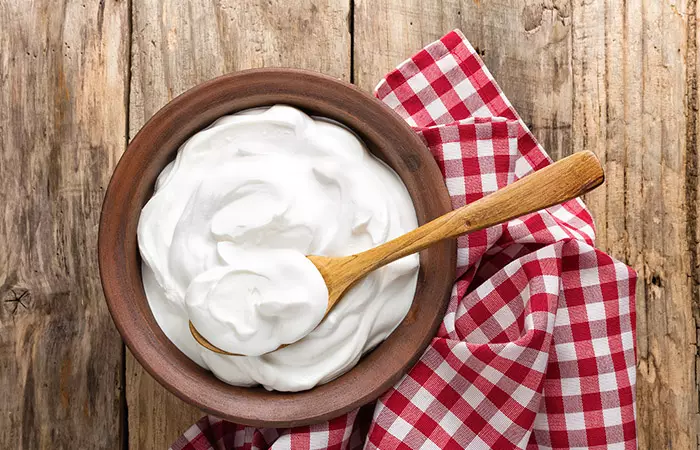
Yogurt is an excellent probiotic food to snack on daily. It is a good source of protein and contains vitamins B6 and B12, along with minerals like magnesium. About 100 g of yogurt provides 63 kcal of energy, 5 g of protein, 17 mg of magnesium ( 42 ).
B-vitamins are essential for mitochondrial functions to release energy and keep you active ( 43 ).
16. Pomegranate
Pomegranates are rich in antioxidants, vitamins, and minerals ( 44 ), ( 45 ). This fruit can help promote healthy bones, cardiovascular health, and boost immunity ( 44 ). Pomegranate supplementation can also help enhance exercise performance, build stamina, and increase endurance ( 46 ). You can enjoy a pomegranate bowl as a snack or top it on your cereals.
17. Peanut Butter
Peanut butter is a concentrated source of energy that keeps you active for long. Two tablespoons (32g) of peanut butter provide 191 kcal of energy, 7 g of protein, 2 g of fiber, and 16 g of fat ( 47 ).
The omega-3 fatty acids in peanuts can help boost your energy and increase stamina ( 48 ). Since peanut butter has high calorie content, it takes a longer time to digest. Therefore, consuming peanut butter with complex carbohydrates like apples or whole grain bread can keep you full for a long time.
18. Citrus Fruits
Citrus fruits are a rich source of vitamin C, which can help improve your immunity ( 49 ). According to a study, people who consume higher amounts of vitamin C show fewer fatigue symptoms ( 50 ).
Therefore, drink a glass of citrus fruit juice or grab a fresh whole citrus fruit to keep your energy at the optimum level each day.
19. Green Tea
Green tea is a healthy alternative to beverages like tea and coffee. Green tea contains L-theanine, an amino acid that helps reduce stress and anxiety levels ( 51 ).
A study conducted on mice found that green tea plays a promising role in increasing exercise endurance ( 52 ).
20. Green Leafy Vegetables
Green leafy vegetables are rich in fiber, vitamins, and micronutrients and are also a great source of iron ( 53 ).
Fatigue is one of the symptoms of iron deficiency ( 54 ). Therefore, consuming green leafy vegetables, especially spinach and kale, can help boost energy and reduce fatigue. Green leafy vegetables also contain vitamin C that can helpfight fatigue ( 50 ), ( 53 ).
21. Beetroot
Beetroot is a low-calorie, low-fat vegetable ( 55 ). It has gained popularity recently for increasing stamina and energy. Beetroot contains high levels of inorganic nitrate that increase the blood nitric acid concentration to provide continuous stamina and build exercise endurance 56 ).
Beets are also high in natural sugars ( 55 ). These sugars can help provide you energy throughout the day. Therefore, start your day with a glass of beetroot juice for improved health and wellness and an active lifestyle.
22. Lentils
Besides being a concentrated and inexpensive source of protein, lentils also provide energy and keep you feeling full throughout the day.
About 100 g of lentils contain 116 kcal of energy, 20 g carbs, and 8 g of fiber ( 57 ). Studies have shown that lentils delay gastric emptying, prolong the supply of energy, and improve satiety ( 58 ), ( 59 ).
23. Corn
Corn is an excellent low-calorie, high-energy snack that one can enjoy easily ( 60 ).Corn or air-popped popcorn is relatively high in fiber. Therefore, it can help improve satiety and boost energy, while being low on carbohydrate content ( 60 ), ( 61 ).
24. Seeds
Seeds like pumpkin seeds, flax seeds, chia seeds are a quick source of energy. Seeds are rich in omega-3 fatty acids that are helpful in reducing fatigue. Studies have shown that a decreased level of omega-3 fatty acids leads to chronic fatigue ( 5 ), ( 11 ). Therefore, include seeds in your breakfast cereals or munch on them as a snack to help boost your energy each day.
25. Strawberries
These juicy fruits are loaded with natural sugars, making them the perfect choice to boost your energy.100 g of strawberries contains only 32 kcal of energy, 2 g of fiber, 7 g of carbs, and 5 g of natural sugar ( 62 ).
Strawberries also contains vitamin C that can help increase stamina and reduce physical fatigue ( 62 ), ( 49 ).
26. Soybeans
Soybeans are the richest source of plant proteins and one of the best foods to increase stamina. They are high in insoluble fiber, vitamins, and minerals ( 63 ).
A study conducted on 179 healthy older adults found that soybeans can help increase muscular strength and provide stamina to sustain physical activity for a longer duration ( 64 ).
27. Edamame
Edamame is a low-calorie snack that provides 12 g of protein, 9 g of carbs, and 5 g of fiber. It is also a power pack of vitamins and minerals like manganese, folate, and magnesium ( 65 ).
Vitamins and minerals help release energy and alleviate symptoms of low stamina like tiredness and fatigue ( 66 ).
28. Hummus
Traditional hummus is a mix of boiled chickpea blended with tahini, olive oil, lemon juice, and spices. It is a nutrient- and energy-dense dip that improves the nutrient profile of any meal ( 67 ).
Chickpea exhibits many health benefits . It is loaded with complex carbs, protein, vitamin A, vitamin E, vitamin C, folate, magnesium, potassium, and iron ( 67 ). Eating iron-rich foods (like hummus) may help reduce fatigue and boost your strength ( 68 ). Enjoy hummus with pita bread, veggie sticks, or any snack of your choice.
Enjoy hummus with pita bread, veggie sticks, or any snack of your choice.
Note : Including these foods that boost energy in your snacks will help you stay energized all day long without experiencing the crash that comes with eating sugary snacks. For a healthy start to the day, choose pairings like yogurt and berries or nuts and fruit.
Check out some foods that are especially great for exercise in the next section.
Key Takeaways
- Bananas, apples, eggs, chicken, and dried fruits may boost vitality and energy levels.
- Oatmeal is whole grains that may help keep the stomach fuller for longer, give energy, and manage glucose levels in the body.
- Citrus fruits may help improve immunity.
- Rich in fiber, vitamins, and macronutrients, green leafy vegetables provide overall nourishment and may help develop stamina.
Stamina-Building Foods For Exercise
Athletes require tons of energy to sustain their performance for longer durations. Some of these foods can indeed be tagged as superfoods as they help elevate the levels of stamina, endurance, and energy. Nutritious foods like bananas, oatmeal, nuts, seeds, whole grains, and sweet potatoes are excellent sources of energy to increase endurance and stamina.
Infographic: 8 Stamina-Building Foods To Include In Your Diet
Having more stamina throughout the day enables you to withstand discomfort or stress. It also helps you zip through a demanding day with less fatigue. This is one reason being aware of what you put on your plate is important. Consuming more stamina-increasing foods can help you stay energetic for longer. In the following infographic, we have listed the top 8 foods that improve your stamina. Take a look. Some thing wrong with infographic shortcode. please verify shortcode syntax
Eating the right food is one of the best ways to increase your stamina naturally . Many energy-giving foods increase your stamina, productivity, and alertness. Foods rich in certain micronutrients aid in energy release. The intake of foods like bananas, nuts, brown rice, fatty fish, eggs, chicken, and apples, which are loaded with energy-giving calories, carbs, proteins, vitamins, and minerals, may help increase your stamina. Hence, include some of these nutrient-dense foods when you feel low.
How much water should I drink for optimal performance?
Considering all liquids and foods, men should consume roughly 3.7 liters (or 13 cups) of fluid per day, and women should consume approximately 2.7 liters (or 9 cups). Since each person’s requirements for hydration vary depending on their activity level, the environment, their health, and their nutrition, it is important to often consume water throughout the day, particularly before, during, and after exercise.
What increases stamina fast?
You can eat a diet filled with bananas, nuts, eggs, and dark chocolate to boost your fitness and stamina. Additionally, staying hydrated, exercising regularly, and practising yoga can reduce fatigue and stress levels ( 69 ), ( 70 ).
Can I build stamina in a month?
Yes, eating a healthy diet and engaging in physical exercise regularly can slowly build your stamina in a month.
What are signs of low stamina?
A few signs of low stamina include fatigue, feeling sleepy throughout the day, and lack of focus.
Is skipping good for stamina?
Yes, skipping every day can increase your stamina and improve muscle stiffness ( 71 ).
Does spicy food reduce stamina?
No, eating spicy food may reduce fatigue and increase your endurance ( 72 ).
Does drinking cold water reduce stamina?
No, hydration is important. Research indicates that cold water may increase your stamina and reduce physical strain during exercise ( 73 ).
Illustration: Best Energy-Giving Foods To Build Stamina Naturally
Image: Stable Diffusion/StyleCraze Design Team
References
- Nieman, David C et al. “Bananas as an energy source during exercise: a metabolomics approach.” PloS one vol. 7,5 (2012): e37479. doi:10.1371/journal.pone.0037479 https://www.ncbi.nlm.nih.gov/pmc/articles/PMC3355124/
- Zhang, Yijia et al. “Can Magnesium Enhance Exercise Performance?.” Nutrients vol. 9,9 946. 28 Aug. 2017, doi:10.3390/nu9090946 https://www.ncbi.nlm.nih.gov/pmc/articles/PMC5622706/
- Nieman, David C et al. “Bananas as an energy source during exercise: a metabolomics approach.” PloS one vol. 7,5 (2012): e37479. doi:10.1371/journal.pone.0037479 https://www.ncbi.nlm.nih.gov/pmc/articles/PMC3355124/
- Brufau, Gemma et al. “Nuts: source of energy and macronutrients.” The British journal of nutrition vol. 96 Suppl 2 (2006): S24-8. doi:10.1017/bjn20061860 https://pubmed.ncbi.nlm.nih.gov/17125529/
- Gammone, Maria Alessandra et al. “Omega-3 Polyunsaturated Fatty Acids: Benefits and Endpoints in Sport.” Nutrients vol. 11,1 46. 27 Dec. 2018, doi:10.3390/nu11010046 https://www.ncbi.nlm.nih.gov/pmc/articles/PMC6357022/
- Slavin, Joanne, and Justin Carlson. “Carbohydrates.” Advances in nutrition (Bethesda, Md.) vol. 5,6 760-1. 14 Nov. 2014, doi:10.3945/an.114.006163 https://www.ncbi.nlm.nih.gov/pmc/articles/PMC4224210/
- US Department of Agriculture. “Rice, brown, medium-grain, cooked.” FoodData Central . https://fdc.nal.usda.gov/fdc-app.html#/food-details/168875/nutrients
- US Department of Agriculture. “Rice, white, long-grain, regular, enriched, cooked.” FoodData Central . https://fdc.nal.usda.gov/fdc-app.html#/food-details/168878/nutrients
- Aoi, Wataru et al. “Exercise and functional foods.” Nutrition journal vol. 5 15. 5 Jun. 2006, doi:10.1186/1475-2891-5-15 https://www.ncbi.nlm.nih.gov/pmc/articles/PMC1526446/
- US Department of Agriculture. “Fish, salmon, Atlantic, wild, raw.” FoodData Central . https://fdc.nal.usda.gov/fdc-app.html#/food-details/173686/nutrients
- Maes, Michael et al. “In chronic fatigue syndrome, the decreased levels of omega-3 poly-unsaturated fatty acids are related to lowered serum zinc and defects in T cell activation.” Neuro endocrinology letters vol. 26,6 (2005): 745-51. https://pubmed.ncbi.nlm.nih.gov/16380690/
- US Department of Agriculture. “Fish, tuna, fresh, yellowfin, raw.” FoodData Central . https://fdc.nal.usda.gov/fdc-app.html#/food-details/175159/nutrients
- Tardy, Anne-Laure et al. “Vitamins and Minerals for Energy, Fatigue and Cognition: A Narrative Review of the Biochemical and Clinical Evidence.” Nutrients vol. 12,1 228. 16 Jan. 2025, doi:10.3390/nu12010228 https://www.ncbi.nlm.nih.gov/pmc/articles/PMC7019700/
- US Department of Agriculture. “Egg, whole, raw, fresh.” FoodData Central . https://fdc.nal.usda.gov/fdc-app.html#/food-details/171287/nutrients
- Pesta, Dominik H, and Varman T Samuel. “A high-protein diet for reducing body fat: mechanisms and possible caveats.” Nutrition & metabolism vol. 11,1 53. 19 Nov. 2014, doi:10.1186/1743-7075-11-53 https://www.ncbi.nlm.nih.gov/pmc/articles/PMC4258944/
- Vliet, Stephan van et al. “Achieving Optimal Post-Exercise Muscle Protein Remodeling in Physically Active Adults through Whole Food Consumption.” Nutrients vol. 10,2 224. 16 Feb. 2018, doi:10.3390/nu10020224 https://www.ncbi.nlm.nih.gov/pmc/articles/PMC5852800/
- Duan, Yehui et al. “The role of leucine and its metabolites in protein and energy metabolism.” Amino acids vol. 48,1 (2016): 41-51. doi:10.1007/s00726-015-2067-1 https://pubmed.ncbi.nlm.nih.gov/26255285/
- Marangoni, Franca et al. “Role of poultry meat in a balanced diet aimed at maintaining health and wellbeing: an Italian consensus document.” Food & nutrition research vol. 59 27606. 9 Jun. 2015, doi:10.3402/fnr.v59.27606 https://www.ncbi.nlm.nih.gov/pmc/articles/PMC4462824/
- Phillips, Stuart M. “Dietary protein requirements and adaptive advantages in athletes.” The British journal of nutrition vol. 108 Suppl 2 (2012): S158-67. doi:10.1017/S0007114512002516 https://pubmed.ncbi.nlm.nih.gov/23107527/
- Huang, Wen-Ching et al. “Chicken essence improves exercise performance and ameliorates physical fatigue.” Nutrients vol. 6,7 2681-96. 18 Jul. 2014, doi:10.3390/nu6072681 https://www.ncbi.nlm.nih.gov/pmc/articles/PMC4113764/
- US Department of Agriculture. “Apples, raw, with skin.” FoodData Central . https://fdc.nal.usda.gov/food-details/171688/nutrients
- Li, Yao et al. “Quercetin, Inflammation and Immunity.” Nutrients vol. 8,3 167. 15 Mar. 2016, doi:10.3390/nu8030167 https://www.ncbi.nlm.nih.gov/pmc/articles/PMC4808895/
- Hervik, Astrid Kolderup, and Birger Svihus. “The Role of Fiber in Energy Balance.” Journal of nutrition and metabolism vol. 2019 4983657. 21 Jan. 2019, doi:10.1155/2019/4983657 https://www.ncbi.nlm.nih.gov/pmc/articles/PMC6360548/
- US Department of Agriculture. “Sweet potato, raw, unprepared.” FoodData Central . https://fdc.nal.usda.gov/fdc-app.html#/food-details/168482/nutrients
- Riccardi, G, and A A Rivellese. “Effects of dietary fiber and carbohydrate on glucose and lipoprotein metabolism in diabetic patients.” Diabetes care vol. 14,12 (1991): 1115-25. doi:10.2337/diacare.14.12.1115 https://pubmed.ncbi.nlm.nih.gov/1663443/
- Li, Longman, and Xiaobo Yang. “The Essential Element Manganese, Oxidative Stress, and Metabolic Diseases: Links and Interactions.” Oxidative medicine and cellular longevity vol. 2018 7580707. 5 Apr. 2018, doi:10.1155/2018/7580707 https://www.ncbi.nlm.nih.gov/pmc/articles/PMC5907490/
- US Department of Agriculture. “Beans, kidney, red, mature seeds, raw.” FoodData Central . https://fdc.nal.usda.gov/fdc-app.html#/food-details/173744/nutrients
- Vinoy, Sophie et al. “Slow-release carbohydrates: growing evidence on metabolic responses and public health interest. Summary of the symposium held at the 12th European Nutrition Conference (FENS 2015).” Food & nutrition research vol. 60 31662. 4 Jul. 2016, doi:10.3402/fnr.v60.31662 https://www.ncbi.nlm.nih.gov/pmc/articles/PMC4933791/
- Schwalfenberg, Gerry K, and Stephen J Genuis. “The Importance of Magnesium in Clinical Healthcare.” Scientifica vol. 2017 (2017): 4179326. doi:10.1155/2017/4179326 https://www.ncbi.nlm.nih.gov/pmc/articles/PMC5637834/
- Hernández-Alonso, Pablo et al. “Nuts and Dried Fruits: An Update of Their Beneficial Effects on Type 2 Diabetes.” Nutrients vol. 9,7 673. 28 Jun. 2017, doi:10.3390/nu9070673 https://www.ncbi.nlm.nih.gov/pmc/articles/PMC5537788/
- Donno, Dario et al. “Traditional and Unconventional Dried Fruit Snacks as a Source of Health-Promoting Compounds.” Antioxidants (Basel, Switzerland) vol. 8,9 396. 13 Sep. 2019, doi:10.3390/antiox8090396 https://www.ncbi.nlm.nih.gov/pmc/articles/PMC6770932/
- Kim, Yeonsoo et al. “Raisins are a low to moderate glycemic index food with a correspondingly low insulin index.” Nutrition research (New York, N.Y.) vol. 28,5 (2008): 304-8. doi:10.1016/j.nutres.2008.02.015 https://pubmed.ncbi.nlm.nih.gov/19083424/
- Tavakkoli-Kakhki, Mandana et al. “Omega-3 and omega-6 content of medicinal foods for depressed patients: implications from the Iranian Traditional Medicine.” Avicenna journal of phytomedicine vol. 4,4 (2014): 225-30. https://www.ncbi.nlm.nih.gov/pmc/articles/PMC4110782/
- Torquati, Luciana et al. “A Daily Cup of Tea or Coffee May Keep You Moving: Association between Tea and Coffee Consumption and Physical Activity.” International journal of environmental research and public health vol. 15,9 1812. 22 Aug. 2018, doi:10.3390/ijerph15091812 https://www.ncbi.nlm.nih.gov/pmc/articles/PMC6163361/
- Sørensen, L B, and A Astrup. “Eating dark and milk chocolate: a randomized crossover study of effects on appetite and energy intake.” Nutrition & diabetes vol. 1,12 e21. 5 Dec. 2011, doi:10.1038/nutd.2011.17 https://www.ncbi.nlm.nih.gov/pmc/articles/PMC3302125/
- Nehlig, Astrid. “Is caffeine a cognitive enhancer?.” Journal of Alzheimer’s disease : JAD vol. 20 Suppl 1 (2010): S85-94. doi:10.3233/JAD-2010-091315 https://pubmed.ncbi.nlm.nih.gov/20182035/
- Patel, Rishikesh Kankesh et al. “Dark chocolate supplementation reduces the oxygen cost of moderate intensity cycling.” Journal of the International Society of Sports Nutrition vol. 12 47. 15 Dec. 2015, doi:10.1186/s12970-015-0106-7 https://pubmed.ncbi.nlm.nih.gov/26674253/
- Scholey, Andrew B et al. “Consumption of cocoa flavanols results in acute improvements in mood and cognitive performance during sustained mental effort.” Journal of psychopharmacology (Oxford, England) vol. 24,10 (2010): 1505-14. doi:10.1177/0269881109106923 https://pubmed.ncbi.nlm.nih.gov/19942640/
- US Department of Agriculture. “Quinoa, cooked.” FoodData Central . https://fdc.nal.usda.gov/fdc-app.html#/food-details/168917/nutrients
- Zhang, Genyi, and Bruce R Hamaker. “Slowly digestible starch: concept, mechanism, and proposed extended glycemic index.” Critical reviews in food science and nutrition vol. 49,10 (2009): 852-67. doi:10.1080/10408390903372466 https://pubmed.ncbi.nlm.nih.gov/19960393/
- Alminger, Marie, and Charlotte Eklund-Jonsson. “Whole-grain cereal products based on a high-fibre barley or oat genotype lower post-prandial glucose and insulin responses in healthy humans.” European journal of nutrition vol. 47,6 (2008): 294-300. doi:10.1007/s00394-008-0724-9 https://pubmed.ncbi.nlm.nih.gov/18633670/
- US Department of Agriculture. “Yogurt, plain, low fat.” FoodData Central . https://fdc.nal.usda.gov/fdc-app.html#/food-details/170886/nutrients
- Depeint, Flore et al. “Mitochondrial function and toxicity: role of the B vitamin family on mitochondrial energy metabolism.” Chemico-biological interactions vol. 163,1-2 (2006): 94-112. doi:10.1016/j.cbi.2006.04.014 https://pubmed.ncbi.nlm.nih.gov/16765926/
- Zarfeshany, Aida et al. “Potent health effects of pomegranate.” Advanced biomedical research vol. 3 100. 25 Mar. 2014, doi:10.4103/2277-9175.129371 https://www.ncbi.nlm.nih.gov/pmc/articles/PMC4007340/
- US Department of Agriculture. “Pomegranates, raw.” FoodData Central . https://fdc.nal.usda.gov/fdc-app.html#/food-details/169134/nutrients
- Ammar, Achraf, et al. “Effects of pomegranate supplementation on exercise performance and post-exercise recovery in healthy adults: a systematic review.” British Journal of Nutrition 120.11 (2018): 1201-1216. https://pubmed.ncbi.nlm.nih.gov/30350760/
- US Department of Agriculture. “Peanut butter, smooth style, without salt.” FoodData Central . https://fdc.nal.usda.gov/fdc-app.html#/food-details/172470/nutrients
- Brenna, J Thomas et al. “Balancing omega-6 and omega-3 fatty acids in ready-to-use therapeutic foods (RUTF).” BMC medicine vol. 13 117. 15 May. 2015, doi:10.1186/s12916-015-0352-1 https://www.ncbi.nlm.nih.gov/pmc/articles/PMC4433071/
- Carr, Anitra C, and Silvia Maggini. “Vitamin C and Immune Function.” Nutrients vol. 9,11 1211. 3 Nov. 2017, doi:10.3390/nu9111211 https://pubmed.ncbi.nlm.nih.gov/29099763/
- Cheraskin, E et al. “Daily vitamin C consumption and fatigability.” Journal of the American Geriatrics Society vol. 24,3 (1976): 136-7. doi:10.1111/j.1532-5415.1976.tb04284.x https://pubmed.ncbi.nlm.nih.gov/765389/
- Yoto, Ai et al. “Effects of L-theanine or caffeine intake on changes in blood pressure under physical and psychological stresses.” Journal of physiological anthropology vol. 31,1 28. 29 Oct. 2012, doi:10.1186/1880-6805-31-28 https://pubmed.ncbi.nlm.nih.gov/23107346/
- Murase, Takatoshi et al. “Green tea extract improves endurance capacity and increases muscle lipid oxidation in mice.” American journal of physiology. Regulatory, integrative and comparative physiology vol. 288,3 (2005): R708-15. doi:10.1152/ajpregu.00693.2004 https://pubmed.ncbi.nlm.nih.gov/15563575/
- Gupta, Sheetal et al. “Retention of nutrients in green leafy vegetables on dehydration.” Journal of food science and technology vol. 50,5 (2013): 918-25. doi:10.1007/s13197-011-0407-z https://www.ncbi.nlm.nih.gov/pmc/articles/PMC3722389/
- Bager, Palle. “Fatigue and acute/chronic anaemia.” Danish medical journal vol. 61,4 (2014): B4824. https://pubmed.ncbi.nlm.nih.gov/24814598/
- US Department of Agriculture. “Beets, raw.” FoodData Central . https://fdc.nal.usda.gov/food-details/169145/nutrients
- Domínguez, Raúl et al. “Effects of beetroot juice supplementation on intermittent high-intensity exercise efforts.” Journal of the International Society of Sports Nutrition vol. 15 2. 5 Jan. 2018, doi:10.1186/s12970-017-0204-9 https://www.ncbi.nlm.nih.gov/pmc/articles/PMC5756374/
- “Lentils, mature seeds, cooked, boiled, without salt.” FoodData Central . https://fdc.nal.usda.gov/fdc-app.html#/food-details/172421/nutrients
- Lin, H C et al. “Sustained slowing effect of lentils on gastric emptying of solids in humans and dogs.” Gastroenterology vol. 102,3 (1992): 787-92. doi:10.1016/0016-5085(92)90159-v https://pubmed.ncbi.nlm.nih.gov/1537516/
- Erickson, Jennifer, and Joanne Slavin. “Satiety Effects of Lentils in a Calorie Matched Fruit Smoothie.” Journal of food science vol. 81,11 (2016): H2866-H2871. doi:10.1111/1750-3841.13499 https://pubmed.ncbi.nlm.nih.gov/27648934/
- USDA ARS. “Is Popcorn a Healthy Snack? It Can Be!” https://www.ars.usda.gov/plains-area/gfnd/gfhnrc/docs/news-articles/2025/popcorn-a-healthy-whole-grain-snack/
- Nguyen, Von et al. “Popcorn is more satiating than potato chips in normal-weight adults.” Nutrition journal vol. 11 71. 14 Sep. 2012, doi:10.1186/1475-2891-11-71 https://pubmed.ncbi.nlm.nih.gov/22978828/
- US Department of Agriculture. “Strawberries, raw.” FoodData Central . https://fdc.nal.usda.gov/fdc-app.html#/food-details/167762/nutrients
- US Department of Agriculture. “Soybeans, mature seeds, raw” FoodData Central . https://fdc.nal.usda.gov/fdc-app.html#/food-details/174270/nutrients
- Thomson, Rebecca L et al. “Muscle strength gains during resistance exercise training are attenuated with soy compared with dairy or usual protein intake in older adults: A randomized controlled trial.” Clinical nutrition (Edinburgh, Scotland) vol. 35,1 (2016): 27-33. doi:10.1016/j.clnu.2015.01.018 https://pubmed.ncbi.nlm.nih.gov/25702958/
- US Department of Agriculture. “Edamame, frozen, prepared.” FoodData Central . https://fdc.nal.usda.gov/fdc-app.html#/food-details/168411/nutrients
- Huskisson, E et al. “The role of vitamins and minerals in energy metabolism and well-being.” The Journal of international medical research vol. 35,3 (2007): 277-89. doi:10.1177/147323000703500301 https://pubmed.ncbi.nlm.nih.gov/17593855/
- Wallace, Taylor C et al. “The Nutritional Value and Health Benefits of Chickpeas and Hummus.” Nutrients vol. 8,12 766. 29 Nov. 2016, doi:10.3390/nu8120766 https://pubmed.ncbi.nlm.nih.gov/27916819/
- Yokoi, Katsuhiko, and Aki Konomi. “Iron deficiency without anaemia is a potential cause of fatigue: meta-analyses of randomised controlled trials and cross-sectional studies.” The British journal of nutrition vol. 117,10 (2017): 1422-1431. doi:10.1017/S0007114517001349 https://pubmed.ncbi.nlm.nih.gov/28625177/
- Medical Students’ Stress Levels and Sense of Well Being after Six Weeks of Yoga and Meditation https://www.ncbi.nlm.nih.gov/pmc/articles/PMC5174168/
- Exercise to reduce work-related fatigue among employees: a randomized controlled trial https://pubmed.ncbi.nlm.nih.gov/28323305/
- Jump-Rope Training: Improved 3-km Time-Trial Performance in Endurance Runners via Enhanced Lower-Limb Reactivity and Foot-Arch Stiffness https://www.researchgate.net/publication/339879052_Jump-Rope_Training_Improved_3-km_Time-Trial_Performance_in_Endurance_Runners_via_Enhanced_Lower-Limb_Reactivity_and_Foot-Arch_Stiffness
- Capsaicin Supplementation Reduces Physical Fatigue and Improves Exercise Performance in Mice https://www.ncbi.nlm.nih.gov/pmc/articles/PMC5084035/
- Cold Drink Ingestion Improves Exercise Endurance Capacity in the Heat https://www.researchgate.net/publication/23154468_Cold_Drink_Ingestion_Improves_Exercise_Endurance_Capacity_in_the_Heat



Community Experiences
Join the conversation and become a part of our empowering community! Share your stories, experiences, and insights to connect with other beauty, lifestyle, and health enthusiasts.


