When it comes to reducing the risk of pre-diabetes and type 2 diabetes i A chronic disorder where your body improperly uses or inadequately produces insulin, causing elevated blood sugar levels. , the insulin resistance diet takes on a more pivotal role in our lives. Insulin resistance is characterized by your body’s inability to respond to the hormone, insulin. Luckily, suitable dietary approaches may help manage this condition effectively. Adopting a well-balanced diet may help stabilize blood sugar levels and improve overall health and well-being. In this article, we will explore the benefits of this diet and the foods that may help manage insulin resistance. Read on!

Principle: Prioritizes consuming whole and low-GI foods and restricts the intake of high-GI foods and unhealthy fats. Purpose: To manage insulin resistance and reduce type 2 diabetes risk. Who It Is For: Individuals with insulin resistance or those at risk of developing it. Duration: Long-term Who Should Avoid: Individuals who take diabetes medications and pregnant or breastfeeding women. Cons: May lead to nutritional deficiencies.
In This Article
What Is Insulin Resistance?

Shutterstock
Human beings require a constant supply of energy to function and the primary source of this energy is glucose. The carbohydrates and proteins in foods are broken down into glucose by the digestive system ( 1 ).
When we eat, the pancreas releases the hormone insulin into the bloodstream. It ensures that the blood sugar levels remain within a healthy range, allows glucose to enter into our cells, and provides energy for various bodily functions. It also helps manage excess glucose by instructing the liver and muscles to store it for later use ( 1 ).
However, insulin resistance, which develops due to genetics and a sedentary lifestyle, makes the cells less responsive to the insulin’s signals. Consequently, glucose struggles to enter the cells effectively, leading to higher blood sugar levels. This can increase the risk of type 2 diabetes, hypertension i A chronic condition where the blood exerts too much force on the artery walls, increasing the risk of stroke and heart disease. , dyslipidemia i Elevated levels of cholesterol or fats in the blood, which increases the chance of clogged arteries or other circulatory problems. , and hyperuricemia i The presence of elevated levels of uric acid in your blood, which can lead to health issues such as gout or kidney stones. ( 2 ).
Normal blood sugar levels typically range between 80 to 140 milligrams per deciliter (mg/dL) before and after meals, though these levels vary among individuals. If this value is elevated or inadequate, one might experience serious health risks ( 1 ).
High blood sugar levels can damage the blood vessels and nerves. This increases the risk of heart disease, kidney problems, and eye damage. Extremely high levels can result in a dangerous condition called diabetic ketoacidosis i A life-threatening condition where extremely high blood sugar levels lead to the breakdown of ketones, resulting in acidic blood. (DKA), which requires immediate medical attention ( 3 ).
Conversely, severely low blood sugar levels can cause symptoms like confusion, fatigue, tremors, anxiety, etc ( 4 ). Thus, it is necessary to regulate blood sugar levels, which is carried out by a hormone known as insulin.

Insulin resistance is becoming a growing concern. An examination of the 2025 National Health and Nutrition Examination Survey (NHANES) data found that 40% of American adults between 18 and 44 years demonstrated signs of insulin resistance ( 2 ).
Thus, it is crucial to follow a balanced diet and exercise regularly to manage insulin resistance. Scroll down to the next section to learn how your diet can support better blood sugar management.
Key Takeaways
- The insulin resistance diet aims to balance blood sugar levels by emphasizing whole and low-GI food options and reducing high-GI foods and unhealthy fats.
- It may also boost heart health, maintain consistent energy levels, and facilitate weight management.
- Incorporating regular physical activity, managing stress, and getting enough sleep can help manage blood sugar levels effectively.
What Is The Best Diet For Insulin Resistance?

Shutterstock
The best diet for managing insulin resistance focuses on balancing blood sugar levels and making mindful food choices. Here are a few tips you may follow:
- Incorporate fruits and vegetables rich in fiber and antioxidants like blueberries, apples, and grapes. They have anti-diabetic properties and may help enhance insulin sensitivity i The body’s ability to respond to the hormone insulin, which helps maintain healthy blood sugar levels. and lower blood glucose levels ( 5 ).
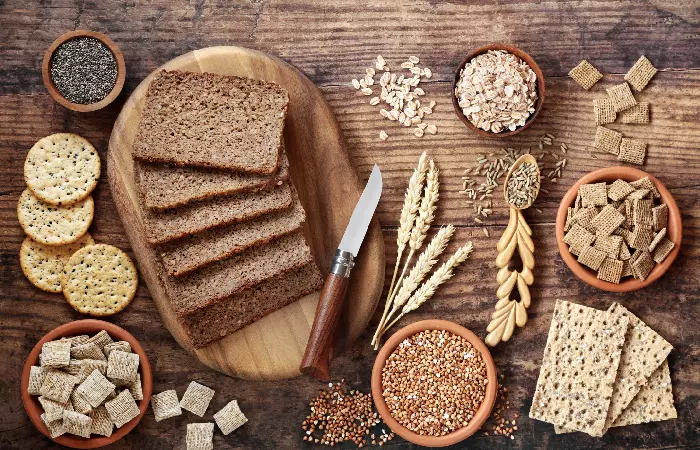
- Consume low-fat dairy products, as they offer calcium and protein. Include whole grains like oats and brown rice in your diet. They provide complex carbohydrates that improve insulin sensitivity and prevent blood sugar fluctuations ( 6 ), ( 7 ).
- Choose lean proteins and legumes. They are packed with fiber and protein, which may aid in blood sugar control ( 8 ).
Additionally, the best diet for insulin resistance focuses on the principles of the glycemic index (GI). It is a measure of how rapidly foods raise blood sugar levels. Consuming low-GI foods like apples, oranges, tomatoes, cucumbers, oats, barley, and non-starchy vegetables can be beneficial. They have a slower and steadier impact on blood sugar levels and help to prevent rapid spikes and crashes ( 9 ), ( 10 ). These foods are also included in a diabetes diet , which helps manage blood glucose levels and improve insulin sensitivity.
Keep scrolling to learn how this diet can improve your overall health and well-being in the next section.
Health Benefits Of The Insulin Resistance Diet

Shutterstock
1. May Help Control Blood Sugar Levels
The insulin resistance diet promotes the consumption of complex carbohydrates, fiber, and healthy fats, which helps slow down the sugar absorption process. This gradual release of sugar into the bloodstream prevents spikes and helps insulin work efficiently. This reduces the risk of developing diabetes ( 11 ).
2. May Help Boost Heart Health
This diet restricts the intake of saturated fats. Excess intake of these fats can lead to cholesterol buildup in your blood vessels. This buildup can narrow the arteries and increase the risk of heart disease. Thus, a diet low in saturated fats may help lower cholesterol levels and help reduce the risk of cardiovascular issues ( 12 ).
3. May Boost Energy Levels
Complex carbs like whole grains and legumes provide a consistent source of energy throughout the day, preventing energy spikes and crashes ( 13 ). Since this diet emphasizes the intake of complex carbs, it may help improve your daily productivity.
4. May Reduce The Risk Of Chronic Diseases
The diet focuses on low-GI foods rich in healthy fats and essential vitamins and minerals that may aid in weight loss and enhance insulin sensitivity ( 14 ). It may also help prevent various health complications like type 2 diabetes, obesity, and high blood pressure.
5. May Aid In Weight Management
Consuming low-GI and fiber-rich foods may prevent rapid blood sugar spikes and crashes. This also reduces cravings for sugary and high-calorie foods and helps you develop healthier eating patterns. This may lead to weight loss over time and improve insulin sensitivity ( 15 ).
While an insulin resistance diet may help you get started on your weight loss journey, it can be challenging. But don’t worry. The following section provides you with tips on how to lose weight if you have insulin resistance.
How To Lose Weight When You Have Insulin Resistance

Shutterstock
The following tips can help you lose weight if you have insulin resistance:
1. Follow A Balanced Diet
Consume whole foods like fruits, vegetables, lean proteins, and whole grains to keep your body nourished and full ( 16 ). Avoid sugary and processed foods that can spike blood sugar levels and decrease insulin sensitivity ( 17 ). Such foods are also high in calories. Therefore, restricting them may help you manage your weight.
2. Adopt A Regular Exercise Routine
Incorporate physical activity into your routine. Even a short walk or aerobic exercise for 30 minutes, 3-5 days a week, can help improve insulin sensitivity and aid in weight loss ( 18 ).
3. Exercise Portion Control
Smaller, frequent meals can help improve insulin secretion and stabilize blood sugar levels. A study on healthy men with impaired glucose tolerance found that having nine smaller but frequent meals daily could improve glucose metabolism ( 19 ). Additionally, being mindful of your portion sizes may help avoid overeating.
4. Keep Yourself Hydrated
Sometimes, you might mistake thirst for hunger. Hence, drink plenty of water daily to minimize cravings and unnecessary snacking.
5. Rest Well
Poor sleep can affect the production of hunger hormones like ghrelin, increasing appetite and encouraging overeating. This makes weight loss more challenging ( 20 ). Make sure you get enough quality sleep every day.
6. Manage Your Stress Levels
High stress levels trigger the release of cortisol, a hormone that can impact weight and insulin resistance, disrupting blood sugar control ( 21 ). Manage stress through relaxation techniques such as meditation or deep breathing.
Most importantly, talk to your doctor or registered dietitian to create a personalized plan that aligns with your health goals and needs.
Remember that losing weight when your body is insulin-resistant may take time. Individual response may vary but these steps may help improve your health and make the journey more manageable.
Making a few dietary changes can not only control your weight but also your blood sugar levels. Take a look at the key foods to include in your insulin resistance diet.
Foods To Eat On The Insulin Resistance Diet
Shutterstock
1. Non-Starchy Vegetables
- Spinach
- Kale
- Broccoli
- Cauliflower
- Brussels sprouts
- Bell peppers
2. Whole Grains
- Quinoa
- Brown rice
- Oats
- Barley
3. Lean Proteins
- Chicken breast
- Turkey
- Salmon
- Tofu
- Lentils
- Beans
4. Healthy Fats
- Avocado
- Olive oil
- Nuts
- Seeds
5. Low-Glycemic Fruits
- Berries
- Apples
- Pears
- Citrus fruits
6. Dairy/ Dairy Alternatives
- Greek yogurt
- Almond milk
- Cottage cheese
Note:
Opt for unsweetened and low-fat or no-fat options
7. Herbs And Spices
- Cinnamon
- Turmeric
- Garlic
- Ginger
Consider inventive and useful methods to include these foods in your meals to help you with these dietary adjustments. Every meal should have a variety of vegetables, such as a vibrant salad for lunch and dinner or sautéed greens for the morning. Prepare healthy snacks in advance, like pre-portioned nuts or veggie sticks with hummus, to avoid reaching for processed options. To effectively manage insulin resistance, these minor changes might have a significant impact.
The insulin resistance diet also recommends avoiding or limiting a few foods from your daily diet. Take a look in the next section.
Foods To Avoid On The Insulin Resistance Diet

Shutterstock
1. Sugary Foods And Beverages
- Soda
- Candy
- Pastries
- Sugary cereals
- Fruit juices
2. Sugary Sauces And Condiments
- Ketchup
- BBQ sauce
- Sweet salad dressings
3. High-Sugar Fruits
- Watermelon
- Pineapple
- Grapes
- Mangoes
4. Refined Grains
- White bread
- White rice
- Processed cereals
5. Saturated And Trans Fats
- Fried foods
- Fatty cuts of meat
- Processed meats
6. Processed And Fast Foods
- Fast food burgers and fries
- Processed microwave meals
- Instant noodles
7. Excessive Alcohol
These food recommendations can help you create your weekly meal plans and organize your grocery lists better. If you need help creating your insulin resistance weekly meal plan, scroll down to check our sample diet plan.
7-Day Insulin Resistance Diet Plan
Image: ShutterStock
Image: ShutterStock
Image: ShutterStock
Image: ShutterStock
Image: ShutterStock
Image: ShutterStock
Image: ShutterStock
Image: ShutterStock
Image: ShutterStock
Image: ShutterStock
Image: ShutterStock
Image: ShutterStock
Image: ShutterStock
Image: ShutterStock
You can adjust portion sizes and the meal as per your individual tastes and dietary goals. Take a look at the next section for some recipes you can try at home.
Insulin Resistance Diet: Delicious Recipes To Try
1. Lentil Soup

Shutterstock
Recommended Serving Size: 1.5 cups
Ingredients
- 1 cup of green lentils
- 8 oz of chicken breast
- 2 cups of mixed vegetables (carrots, celery, and bell peppers)
- 1 onion
- 3 cloves of garlic
- 6 cups of chicken broth
- 1 teaspoon of cumin
- 1/2 teaspoon of paprika
- Salt and pepper to taste
- Olive oil for sautéing
How To Prepare
- Heat olive oil and sauté chopped onions and minced garlic in a large pan until fragrant.
- Add diced chicken and cook until browned.
- Stir in lentils, chopped mixed vegetables, cumin, and paprika.
- Pour in chicken broth, bring it to a boil, then simmer for 25-30 minutes.
- Season with salt and pepper to taste. Serve hot.
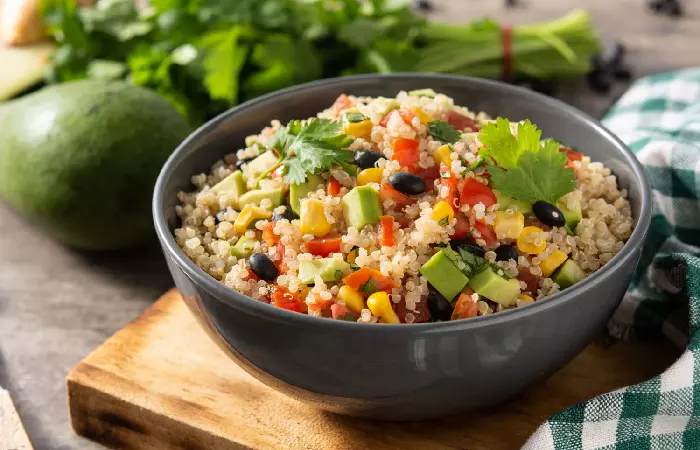
2. Mexican Quinoa Salad
Shutterstock
Recommended Serving Size: 1.5 cups
Ingredients
- 1 cup of cooked quinoa
- 1 cup of black beans
- 1 cup of corn kernels
- 1 cup of tomatoes
- 1/2 cup of red onion
- 1/4 cup of fresh cilantro
- Juice of 2 limes
- 1 teaspoon of chili powder
- Salt and pepper to taste
How To Prepare
- Dice the tomatoes and red onions and chop the cilantro.
- Combine the cooked quinoa, black beans, corn, tomatoes, red onion, and cilantro in a large bowl.
- Whisk together lime juice, chili powder, salt, and pepper in a separate bowl.
- Pour the dressing over the salad and toss to combine.
- Serve chilled or at room temperature.
Tips For Success On The Insulin Resistance Diet
Here are a few tips and tricks to adopt this diet successfully:
1. Set Realistic Goals
Set small, attainable goals and focus on gradual improvement. Implement the changes in your diet slowly. Give yourself a timeframe for achieving these goals. Gradually add more changes as you accomplish your goals to make the transition smoother and less overwhelming.
2. Focus on Simplicity
Make one or two simple changes at a time instead of completely overhauling your diet. These smaller modifications are easier to maintain and are more likely to become ingrained habits.
3. Be Kind to Yourself
If you slip up and have an indulgent meal or a sugary treat, do not be too hard on yourself. Instead, commit to getting back on track the next day as progress is not about perfection.
4. Learn From Your Setbacks
If you have a day where your food choices are not ideal, view it as a learning experience rather than a failure. Remember that your overall diet matters more than a single moment or day.
5. Do Not Skip Meals
Skipping meals can disrupt blood sugar levels and lead to overeating later. Stick to a routine of regular, balanced meals and snacks to keep your energy levels stable.
Adopting an insulin resistance diet can be a game-changer for individuals struggling with this metabolic condition. It may help stabilize blood sugar levels and reduce the risk of type 2 diabetes, leading to better weight management and improved well-being. Incorporating simple ways to lower blood sugar , such as regular physical activity, increasing fiber intake, and managing portion sizes, can complement the diet’s effectiveness. However, it is important to note that every individual’s body is unique, and what works best for one may not produce the same results for another. Therefore, consult a healthcare professional or registered dietitian before making any significant dietary changes, especially if you have insulin resistance or related health issues.
How can I monitor my insulin levels?
As advised by your doctor, regular monitoring of your insulin levels is crucial. This can be done through blood tests such as hemoglobin A1C, oral glucose tolerance tests, or fasting insulin. Using a glucometer to measure blood sugar or continuous glucose monitoring devices can also provide valuable insights into the impact and function of your insulin.
Is it important to eat small, frequent meals with insulin resistance?
Yes, eating small, frequent meals may help manage insulin resistance by preventing extreme blood sugar fluctuations and aid in weight management.
How long does it take to see improvements with an insulin resistance diet?
Improvements in insulin resistance can vary depending on the individual and their adherence to the diet. Some may notice changes in a few weeks, while others may see significant progress in a few months. Consistency and patience are essential in following an insulin resistance diet.
Illustration: Insulin Resistance Diet: Benefits, Foods To Eat, & Recipes
Image: Stable Diffusion/StyleCraze Design Team
Discover more about the essential elements of an effective insulin resistance diet. Watch the video below to learn how these choices can help manage blood sugar and improve overall health.
References
- Physiology Glucose Metabolism https://www.ncbi.nlm.nih.gov/books/NBK560599/
- Insulin Resistance https://www.ncbi.nlm.nih.gov/books/NBK507839/
- Hyperglycemia https://www.ncbi.nlm.nih.gov/books/NBK430900/
- Hypoglycemia https://www.ncbi.nlm.nih.gov/books/NBK534841/
- Fruit and vegetable consumption and the risk of type 2 diabetes: a systematic review and dose–response meta-analysis of prospective studies https://www.ncbi.nlm.nih.gov/pmc/articles/PMC8718861/
- The Effects of Dairy Intake on Insulin Resistance: A Systematic Review and Meta-Analysis of Randomized Clinical Trials https://www.ncbi.nlm.nih.gov/pmc/articles/PMC6769921/
- A Whole-Grain Diet Reduces Peripheral Insulin Resistance and Improves Glucose Kinetics in Obese Adults: A Randomized-Controlled Trial https://www.ncbi.nlm.nih.gov/pmc/articles/PMC5930046/
- The Effect of a Diet Moderately High in Protein and Fiber on Insulin Sensitivity Measured Using the Dynamic Insulin Sensitivity and Secretion Test (DISST) https://www.ncbi.nlm.nih.gov/pmc/articles/PMC5748742/
- Metabolic effects of low glycaemic index diets https://www.ncbi.nlm.nih.gov/pmc/articles/PMC2654909/
- A glycemic diet improves the understanding of glycemic control in diabetes patients during their follow-up https://www.ncbi.nlm.nih.gov/pmc/articles/PMC10072118/
- Prevention and Management of Type 2 Diabetes: Dietary Components and Nutritional Strategies https://www.ncbi.nlm.nih.gov/pmc/articles/PMC4751088/
- Saturated fats and cardiovascular health: Current evidence and controversies https://pubmed.ncbi.nlm.nih.gov/34649831/
- Real-Time Associations Between Glucose Levels and Fatigue in Type 2 Diabetes: Sex and Time Effects https://www.ncbi.nlm.nih.gov/pmc/articles/PMC7273801/
- Dietary Intake and Chronic Disease Prevention https://www.ncbi.nlm.nih.gov/pmc/articles/PMC8072965/
- Nutritional Modulation of Insulin Resistance https://www.ncbi.nlm.nih.gov/pmc/articles/PMC3820526/
- Effects of Diet Lifestyle Chrononutrition and Alternative Dietary Interventions on Postprandial Glycemia and Insulin Resistance https://www.ncbi.nlm.nih.gov/pmc/articles/PMC8878449/
- A Comprehensive Critical Assessment of Increased Fruit and Vegetable Intake on Weight Loss in Women https://www.ncbi.nlm.nih.gov/pmc/articles/PMC7399879/
- Added Sugars Drive Insulin Resistance Hyperinsulinemia Hypertension Type 2 Diabetes and Coronary Heart Disease https://www.ncbi.nlm.nih.gov/pmc/articles/PMC9762218/
- Update on the effects of physical activity on insulin sensitivity in humans https://www.ncbi.nlm.nih.gov/pmc/articles/PMC5569266/
- Effect of Short-Term Increase in Meal Frequency on Glucose Metabolism in Individuals with Normal Glucose Tolerance or Impaired Fasting Glucose: A Randomized Crossover Clinical Trial https://www.ncbi.nlm.nih.gov/pmc/articles/PMC6769465/
- Sleep Deprivation: Effects on Weight Loss and Weight Loss Maintenance https://www.ncbi.nlm.nih.gov/pmc/articles/PMC9031614/
- Stress-Induced Diabetes: A Review https://www.ncbi.nlm.nih.gov/pmc/articles/PMC9561544/



Community Experiences
Join the conversation and become a part of our empowering community! Share your stories, experiences, and insights to connect with other beauty, lifestyle, and health enthusiasts.


