
- Principle: Elimination of foods that can irritate the bladder and the inclusion of bladder-friendly foods that reduce discomfort
- Purpose: To manage the symptoms of interstitial cystitis (painful bladder syndrome)
- Who It Is For: Individuals dealing with interstitial cystitis
- Duration: Long-term
- Who Should Avoid: Pregnant or breastfeeding individuals and people with Inflammatory bowel disease (IBD) or gastroesophageal reflux disease (GERD)
- Cons: May lead to nutritional deficiencies
In This Article
What Is The Interstitial Cystitis Diet?

Shutterstock
The interstitial cystitis diet is a strategic nutritional plan tailored to manage and alleviate the distressing symptoms of interstitial cystitis (IC).
The condition, also known as painful bladder syndrome, causes frequent urination, bladder pain, and pelvic discomfort. The pain can vary from mild sensations to severe agony.
A study using data from the Veterans Health Administration found the national prevalence of interstitial cystitis in the USA to be 0.87%, with female and male prevalence rates at 1.08% and 0.66%, respectively ( 1 ).
The IC diet focuses on minimizing the intake of caffeine, artificial sweeteners, and acidic foods that may irritate the sensitive bladder lining. It instead encourages the consumption of anti-inflammatory and bladder-friendly foods like garlic, ginger, oregano, rosemary, thyme, and non-citrus fruits ( 2 ), ( 3 ), ( 4 ). Additionally, integrating aspects of an anti-inflammatory diet can further benefit the situation and help you tackle the symptoms. However, an expert’s discretion is recommended.

Research suggests that dietary modifications can significantly reduce the frequent urination, pelvic pain, and the constant feeling of fullness in the bladder ( 5 ), ( 6 ).
Key Takeaways
- The interstitial cystitis diet prioritizes the avoidance of bladder irritants and the inclusion of bladder-friendly foods to reduce discomfort associated with the condition.
- Bladder-friendly foods include non-citrus fruits, non-spicy vegetables, lean proteins, low-acid grains, and mild herbs and spices.
- Avoid acidic fruits, tomatoes, caffeine, carbonated beverages, alcohol, spicy foods, artificial sweeteners, and highly processed foods.
- This dietary approach offers personalization options to cater to individual needs.
Stages Of Interstitial Cystitis
Interstitial cystitis is not a severe condition initially as it starts with milder, sporadic symptoms such as frequent urination that may often occur after sexual activity. Pain and urinary incontinence usually show up later during the progression, and could often be misdiagnosed as a urinary tract infection (UTI) ( 7 ).
Consult a doctor to get an accurate diagnosis and a personalized dietary plan to help control the symptoms and achieve relief.
Karin Littleton , a nutritionist and health coach, says, “It is always recommended that medical diagnosis is best when implementing restrictive diets like this to ensure that the condition is diagnosed, the diet is best for the condition, and that a medical professional (doctor or dietitian) is assisting you through the protocol.”
Benefits Of The Interstitial Cystitis Diet
The IC diet helps reduce bladder irritation and pain by eliminating foods and beverages that can aggravate the delicate bladder lining ( 8 ). It also promotes an environment conducive to a healthier bladder ( 2 ). Similarly, exploring natural remedies for overactive bladder can complement the IC diet by promoting better bladder health.
The diet can be customized as per the individual’s preferences and triggers. It offers a holistic approach to treat the condition. Consulting with a healthcare professional for personalized guidance is essential for making the most of this diet. On that note, we have listed in the next section the foods you can eat on the interstitial cystitis diet. Check them out.
Foods To Eat On The Interstitial Cystitis Diet
- Bladder-Friendly Fruits: Non-citrus fruits like pears, apples, blueberries, and watermelon are less likely to irritate the bladder ( 3 ), ( 4 ). Consume them in moderation and see how your body reacts.
- Vegetables: Stick to non-starchy vegetables like broccoli, carrots, squash, and green beans.
- Protein: Opt for lean protein sources like skinless poultry, tofu, and fish like salmon or cod.
- Carbohydrates: Choose grains like rice as it is bland and less likely to irritate the bladder lining ( 9 ). However, be mindful of portion sizes.
- Dairy Alternatives: While milk and fresh cheeses are considered to be IC-friendly foods, this may not be true for everyone. Consider lactose-free or non-dairy options like almond or rice milk if dairy irritates your bladder.
- Herbs And Spice s: Mild herbs like basil, oregano, and thyme, as well as modest amounts of salt, can be used for flavoring your food.
Staying well-hydrated is also crucial. Drinking water helps dilute urine and reduces the concentration of potential irritants. It also helps minimize bladder irritation in individuals with interstitial cystitis. Adequate water intake also prevents dehydration, which may otherwise exacerbate IC symptoms.
Foods To Avoid On The Interstitial Cystitis Diet
- Citrus fruits
- Tomatoes and tomato-based products
- Caffeine
- Carbonated beverages
- Alcohol
- Spicy foods
- Artificial sweeteners such as saccharin, aspartame, and sucralose
- Highly processed foods
- Acidic foods like vinegar, pickles, and mustard
Gradually reintroduce these foods and pay attention to your body’s response to them. This can help you create a personalized diet plan that can help manage your symptoms effectively.
While avoiding trigger foods is important, incorporating beneficial supplements can enhance your interstitial cystitis management plan. Scroll down to know more.
Supplements That May Help The Interstitial Cystitis Diet
Probiotics, vitamin D, and omega-3 fatty acids are a few supplements proposed to assist in treating interstitial cystitis (IC) symptoms. Omega-3 fatty acids, which have anti-inflammatory qualities, may lessen bladder inflammation in rats, and probiotics can support gut health, which has been connected to immune system control ( 9 ), ( 10 ). The immune system and the decrease of inflammation may be influenced by vitamin D ( 11 ). However, speaking with a healthcare professional before beginning any new supplement routine is essential to ensure it fits your nutritional requirements and health status.
The following sample meal plan can give you an idea. Check it out.
Sample Interstitial Cystitis Diet Meal Plan
Image: ShutterStock
Image: ShutterStock
Image: ShutterStock
Image: ShutterStock
Image: ShutterStock
Image: ShutterStock
Image: ShutterStock
Image: ShutterStock
Image: ShutterStock
Image: ShutterStock
Image: ShutterStock
Image: ShutterStock
Image: ShutterStock
Image: ShutterStock
You can customize this meal plan and batch-cook some of the listed items to make your meal prep easier.
The above sample meal plan gives you an idea of what the IC diet looks like. While living with interstitial cystitis has its challenges, you do not have to sacrifice the pleasure of eating delicious meals. Scroll below to discover some scrumptious recipes you can try at home.
Interstitial Cystitis Diet Recipes
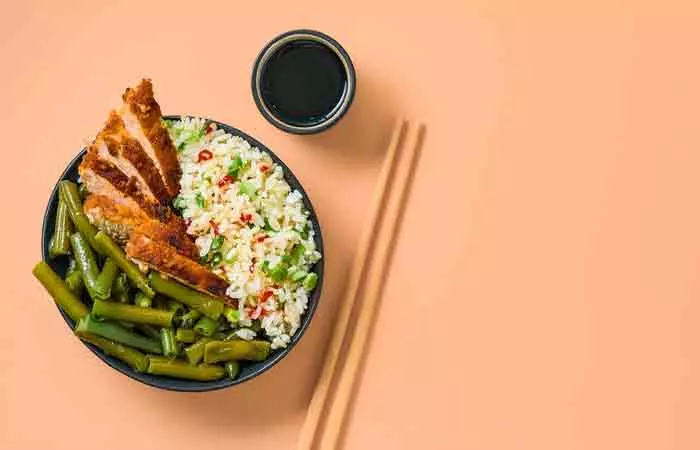
1. Chicken And Rice Bowl
Shutterstock
Recommended Serving Size: One serving includes one chicken breast, ½ cup of cooked brown rice, ½ cup of steamed green beans, and ¼ cup of diced carrots.
Ingredients
- 1 boneless, skinless chicken breast
- ½ cup of cooked brown rice
- ½ cup of steamed green beans
- ¼ cup of diced carrots
- 2 tablespoons of olive oil
- Salt and pepper, to taste
How To Prepare
- Season the chicken breast with a pinch of salt and pepper.
- Heat olive oil in a skillet over medium-high heat.
- Cook the chicken for about 6 to 8 minutes per side or until it is no longer pink in the center.
- Dice the cooked chicken into bite-sized pieces.
- Steam the green beans and cook the brown rice separately.
- Assemble your bowl with brown rice, diced chicken, steamed green beans, and diced carrots.
- Season with a touch of salt and pepper to taste. Serve warm.
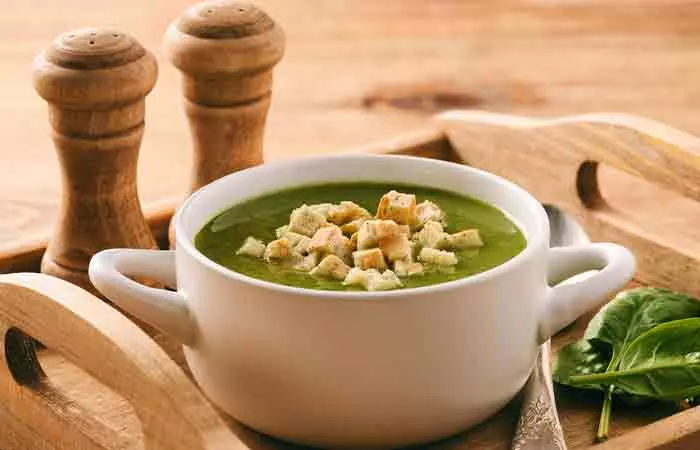
2. Creamy Spinach And Potato Soup
Shutterstock
Recommended Serving Size: One serving consists of one bowl or 1.5 cups of soup.
Ingredients
- 2 cups of fresh spinach leaves
- 2 medium potatoes, diced
- ½ cup of diced leeks
- 2 cups of vegetable broth
- ½ cup of milk or almond milk
- 1 tablespoon of olive oil
- Salt and pepper, to taste
How To Prepare
- Heat olive oil in a pot over medium heat.
- Add diced leeks and sauté until softened.
- Add diced potatoes and vegetable broth to the pot.
- Bring to a boil. Reduce heat and simmer for about 15 to 20 minutes or until the potatoes are tender.
- Add fresh spinach leaves and cook for an additional 2 to 3 minutes until wilted.
- Use a blender to puree the soup until smooth.
- Return the pureed soup to the pot and stir in almond milk.
- Season with salt and pepper.
- Heat the soup over low heat until warm. Serve.
These recipes are thoughtfully crafted to minimize irritation while maximizing taste. With such delicious recipes, letting go of some ingredients may not be so difficult.
Disadvantages Of The Interstitial Cystitis Diet
1. Identifying Triggers Can Be A Challenge
IC symptoms can be influenced by various factors like stress and hormonal changes. Hence, understanding your food triggers accurately can be a challenge.
2. Following The Diet For Long Can Be Difficult
Sticking to this diet plan over an extended period can be hard for some individuals due to its strict dietary restrictions. The diet can also be socially isolating and difficult to navigate.
3. Limited Food Choices Can Be Less Appealing
The diet limits the range of foods you can enjoy. This can lead to monotony and decreased satisfaction. Individual tastes and preferences may not align with the recommended foods and can make this diet less appealing for some people.
Karin says, “It is always best to get a medical diagnosis prior to commencing any type of restrictive diet like this, to ensure that there is a sufficient diagnosis, someone to oversee the diet and ensure that there are no deficiencies of micronutrients.”
The interstitial cystitis diet may provide relief and improve the quality of life of individuals dealing with the condition. It recognizes the importance of avoiding bladder irritants while embracing bladder-friendly foods. This diet also empowers individuals to personalize their dietary plans by acknowledging their triggers and preferences. While the IC diet may not be without its challenges, the potential benefits it offers in terms of symptom management and overall comfort cannot be ignored. This diet is a commitment to reducing symptoms and navigating a path to better bladder health.
Should I drink alkaline water for IC?
Anecdotal evidence suggests that drinking alkaline water may help reduce the acidity in the body. However, consult a healthcare provider to determine if it is suitable for you.
Is juicing safe for IC?
Juicing can be safe for IC if you stick to bladder-friendly fruits and vegetables and avoid acidic foods like citrus fruits and tomatoes.
Is milk OK for interstitial cystitis?
While milk is considered to be IC-friendly, anecdotal evidence suggests that milk may trigger bladder irritation in individuals with lactose intolerance i The inability to fully digest lactose (sugar) in dairy products, which also may manifest as diarrhea, cramps, or bloating . Opt for lactose-free or non-dairy alternatives in such cases.
Is banana good for interstitial cystitis?
Yes. Bananas are often well-tolerated by individuals with interstitial cystitis and can be a good choice as a bladder-friendly fruit.
Is yogurt good for IC?
No. In fact, consumption of yogurt may aggravate the symptoms and must be avoided ( 9 ).
Discover how a simple shift in your eating habits can make a world of difference. Check out this video to learn how to manage interstitial cystitis and prevent flare-ups.
References
- National prevalence of IC/BPS in women and men utilizing veterans health administration data https://www.frontiersin.org/journals/pain-research/articles/10.3389/fpain.2025.925834/full
- Anti-Inflammatory Diet for Women with Interstitial Cystitis/Bladder Pain Syndrome: The AID-IC Pilot Study https://www.ncbi.nlm.nih.gov/pmc/articles/PMC9149882/
- Diet and its role in interstitial cystitis/bladder pain syndrome (IC/BPS) and comorbid conditions https://pubmed.ncbi.nlm.nih.gov/22233286/
- Dietary consumption triggers in interstitial cystitis/bladder pain syndrome patients https://pubmed.ncbi.nlm.nih.gov/22453670/
- Neurourology Diet and Painful Bladder https://www.ncbi.nlm.nih.gov/pmc/articles/PMC2312345/
- Lifestyle and behavioral modifications made by patients with interstitial cystitis https://www.ncbi.nlm.nih.gov/pmc/articles/PMC7862395/
- How does interstitial cystitis begin? https://www.ncbi.nlm.nih.gov/pmc/articles/PMC4708543/
- Role of inflammation in bladder function and interstitial cystitis https://www.ncbi.nlm.nih.gov/pmc/articles/PMC3126088/
- Omega-3 Fatty Acids Inhibit Tumor Growth in a Rat Model of Bladder Cancer https://pmc.ncbi.nlm.nih.gov/articles/PMC3705844/
- Probiotics Mechanism of Action on Immune Cells and Beneficial Effects on Human Health https://pmc.ncbi.nlm.nih.gov/articles/PMC9818925/
- Vitamin D and the Immune System https://pmc.ncbi.nlm.nih.gov/articles/PMC3166406/
- Complementary and alternative medical therapies for interstitial cystitis: an update from the United States https://www.ncbi.nlm.nih.gov/pmc/articles/PMC4708547/#:~:text=Arylalkylamine%2Dcontaining%20foods%20



Community Experiences
Join the conversation and become a part of our empowering community! Share your stories, experiences, and insights to connect with other beauty, lifestyle, and health enthusiasts.


