The growing interest in the vegan lifestyle is exploring vegan options everywhere, from diet to skin care, including in the area of tattooing. This is what has paved the way for this common query, “Is tattoo ink vegan?” Since more people are choosing vegan options for safety and ethical reasons, there are several vegan ink options available out there. These inks, once made with animal-derived ingredients, now use plant-based substitutes to match the rising demand for ethical body art. But are these inks safer than the synthetic ingredients? Will it last longer than regular tattoo ink?
This article explores the safety, pros, and cons of using vegan tattoo ink and will help you understand the difference between regular ink and vegan ink. Keep reading!
In This Article
Is Tattoo Ink Vegan?
Shutterstock
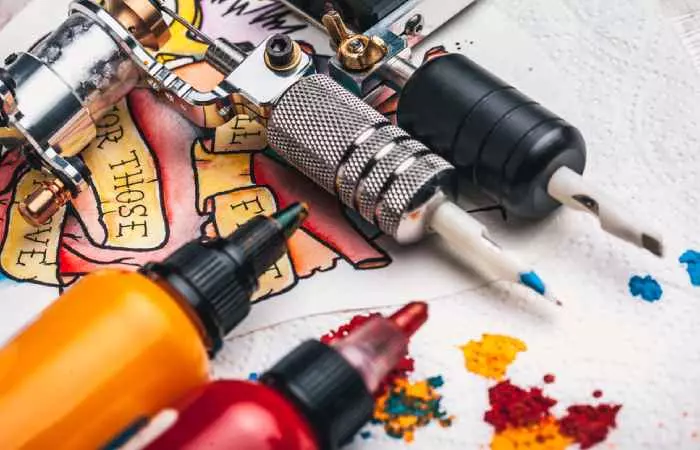
Tattoo ink can be either vegan or non-vegan. Some inks contain animal-derived glycerin or bone char, thus being non-vegan. On the other side, vegan inks skip animal products and use alternatives like plant-based glycerin. People opt for vegan tattoo inks for various reasons, such as ethics, tattoo allergies , or simply preferring cruelty-free and vegan lifestyle options. It is becoming more popular as more people seek eco-friendly and animal-friendly choices. So, if you are looking for a tattoo that aligns with your vegan lifestyle, asking for vegan ink is the way to go. However, vegan ingredients might not be available at all tattoo studios, so it is a good idea to inquire beforehand if you are keen on using them.
Also, apart from inks, other things involved in the tattooing process might not be vegan-friendly. This could include stencil papers or ointments used during and after the tattooing, which may contain ingredients derived from animal products. For example, lubricating strips present in the disposable razor may contain glycerine derived from animal fat, and the stencil paper and aftercare products can contain lanolin. Therefore, if you are aiming for vegan tattooing, you will want to be mindful of these non-vegan elements as well, apart from the ink.
Another important thing to know about vegan ink is its ingredients. What is it made of? Keep reading to find that out.
Key Takeaways
- Non-vegan tattoo inks may contain animal-derived additives like glycerin, while vegan inks use plant-based alternatives.
- If you want a complete vegan tattooing experience, you should also go for vegan stencil papers and aftercare products.
- Despite being plant-based, vegan tattoo ink may also cause allergic reactions.
- The fading of a vegan tattoo depends more on the quality of the ink and the aftercare practices.
What Is Vegan Tattoo Ink Made Of?
Shutterstock
Vegan-friendly tattoos contain natural ingredients and steer clear of animal-derived elements like gelatin, shellac, bone char, and glycerin. They use plant-based elements and mineral-based pigments to create colorful, animal-friendly body art. Some of the options used include vegetable glycerin and organic pigments. For example, instead of using black tattoo ink made from burned animal bones, vegan tattoo ink manufacturers now extract pigment from logwood. Some other alternative options used are as follows ( 1 ):
Image: ShutterStock

As you can see here, vegan inks replace the synthetic pigments with organic alternatives. But will these ingredients cause any allergic reactions? Check out the next section to understand if you can use them.
Are Vegan Tattoo Inks Safe?
Using more natural ingredients could potentially decrease the occurrence of specific negative reactions caused due to tattoo ink pigments and the metals used ( 1 ). However, not all vegan tattoo inks can be safe for all skin types. Every tattoo brand may contain different ingredients.
According to a case study, even a vegan ink tattoo can cause hypersensitivity reactions like pain, redness, and sores on the tattoo ( 2 ). The ink used contained metals like aluminum, arsenic, beryllium, cobalt, chromium, nickel, lead, selenium, titanium, and mercury, but the manufacturers did not reveal all the ingredients. Therefore, vegan tattoo ink can also cause allergic reactions.
Also, tattoo inks are not heavily regulated, and certain pigments in them might become risky. Even in vegan inks, formaldehyde is commonly used as a preservative, which acts as an allergen for many and often causes allergic contact dermatitis (ACD) ( 3 ). Therefore, it is best to check the ingredients before going for vegan ink.
Are there any other issues with using vegan ink? Keep reading to find out more about the pros and cons of switching to the vegan option.
Vegan Tattoo Ink: Pros And Cons
Vegan tattoos boast several benefits, but a few negative aspects are also associated with switching to these tattoos:
Image: ShutterStock
Vegan Tattoo Ink Vs. Regular Tattoo Ink
Image: ShutterStock

Most people worry about the longevity of tattoo pigments when it comes to switching to a vegan option. Read on to find out more about the facts behind this.
Does Vegan Tattoo Ink Fade Faster?
Shutterstock
No, vegan tattoo ink does not fade faster. The fading of a tattoo depends more on the quality of the ink and how well you take care of your tattoo. Always ensure that you go to a reputable vegan tattoo studio so that you do not have to compromise on the quality of the inks.
Taking good care of your tattoo and protecting it from the sun can help keep it looking fresh for longer, regardless of the type of ink used. Keep reading to learn the best aftercare tips.
Vegan Tattoo: Aftercare
Shutterstock
Proper care is crucial to maintain the vibrancy of your tattoo, especially for the vegan ones.
- Steer clear of skin care products containing animal-derived glycerin, lanolin, or beeswax.
- Opt for tattoo-specific care products such as vegan lotions and balms that contain ingredients like coconut oil, jojoba oil, palm oil, or olive oil.
- Shield your tattoo from prolonged exposure to direct sunlight or UV rays to prevent fading.
- Avoid using swimming pools, hot tubs, or prolonged soaking in water during the healing period to prevent bacterial infection and color fading.
Rebecca, a vegan lifestyle content creator, shares her process of maintaining a vegan tattoo with vegan-friendly tattoo aftercare products. In her video, she said, “I got the pure castile soap made with organic oil. This is the mild and gentle one. You want a gentle soap without any fragrances that you can wash your tattoo away as the fragrances might irritate your tattoo ( i ).” Thus, from moisturizers to sunscreen, she uses only vegan products for her tattoo.
The recent trend toward embracing vegan products has extended its reach into the area of tattooing, revolutionizing ink choices, and aligning body art choices with ethical preferences. That is when the query “Is tattoo ink vegan?” becomes relevant. While traditional inks often incorporate animal-derived ingredients like animal fats or bone char, the rise of vegan tattoos marks a transformative shift toward sustainable options. However, finding vegan options might limit color choices and quality and can affect how well the tattoo ink lasts on your skin. Also, even vegan inks might cause allergic reactions due to undisclosed metals or certain formulations. The lack of strict rules means some vegan inks might have chemicals like formaldehyde. Therefore, ensure you check the ingredients and visit professional tattoo artists or a reputable tattoo studio.
Is vegan tattoo ink easy to remove?
Tattoo removal of vegan ink is no different from non-vegan ink removal. Professionals can safely remove tattoos made with vegan ink just like any other tattoo.
Is vegan tattoo ink more expensive?
The cost of vegan tattoo ink can vary, but it is not consistently more expensive than non-vegan ink. However, prices can depend on factors like brand, quality, and availability, similar to non-vegan inks.
Is all black tattoo ink vegan?
Not all black color tattoo ink is vegan. Some black pigments may be made using animal-derived ingredients like bone char.
How common is vegan tattoo ink?
Vegan tattoo ink has become increasingly common as more people seek cruelty-free and eco-friendly options. However, it may not be easily available everywhere.
Do most tattoo artists use vegan ink?
No. Vegan ink is not used by every tattoo artist, but more are adapting to clients’ requests for cruelty-free options. You may have to discuss your preference with the tattoo artist in advance.
Illustration: Is Tattoo Ink Vegan? Safety, Ingredients, Pros and Cons
Image: Stable Diffusion/StyleCraze Design Team
A vegan tattoo is trending but not everyone knows everything about it. Are all tattoo ink vegan? In this guide to a vegan tattoo, discover the distinction between vegan and non-vegan inks. Watch now for informed tattoo choices.
Personal Experience: Source
StyleCraze’s articles are interwoven with authentic personal narratives that provide depth and resonance to our content. Below are the sources of the personal accounts referenced in this article.
References
- A New Era For Tattoos, With New Potential Complications https://www.ncbi.nlm.nih.gov/pmc/articles/PMC6415705/
- Hypersensitivity Reaction To Vegan Tattoo Ink And Successful Treatment With Intralesional And Topical Steroid Therapy https://www.jaad.org/article/S0190-9622(16)00491-6/fulltext
- Formaldehyde Release From Predispersed Tattoo Inks: Analysis Using The Chromotropic Acid Method https://www.ncbi.nlm.nih.gov/pmc/articles/PMC8500535/
- Think Before You Ink: Tattoo Safety https://www.fda.gov/consumers/consumer-updates/think-you-ink-tattoo-safety
Vegan Tattoo Ink: Safety, Ingredients & Care
Watch our video to learn the key differences between vegan and non-vegan tattoo inks, their safety profiles, ingredients, and essential aftercare tips. Dive into cruelty-free tattoo insights now!



Community Experiences
Join the conversation and become a part of our empowering community! Share your stories, experiences, and insights to connect with other beauty, lifestyle, and health enthusiasts.


