
- Principle: Identifying and eliminating specific food groups that trigger migraine
- Purpose: To manage and prevent migraine headaches
- Who It Is For: Individuals who experience migraine headaches.
- Duration: Depends on individual needs
- Who Should Avoid: People with eating disorders
- Cons: May cause nutrient deficiencies.
In This Article
What Is A Migraine Diet?
A migraine diet is designed to identify and eliminate specific foods and beverages that are known to trigger and worsen migraine symptoms like intense headaches, sensitivity to light or sound, and fatigue. Though triggers vary among individuals, caffeine, alcohol, processed meats, MSG, and aged cheeses are some common foods that trigger migraine headaches ( 1 ). Consulting your healthcare professional for a personalized diet plan is recommended.

Adequate hydration, consistent meal schedules, and proper sleep can help with migraine management. A food diary can help you identify problem foods and eliminate them from your diet.
Key Takeaways
- The migraine diet mainly focuses on preventing dietary triggers that can cause migraine headaches while encouraging the consumption of nutrient-rich foods.
- It is advisable to drink plenty of water throughout the day and avoid skipping meals to manage this condition.
- Consult your healthcare provider to create a personalized migraine management plan based on your specific triggers and requirements.
What Is The Role Of Diet In Managing Migraine?
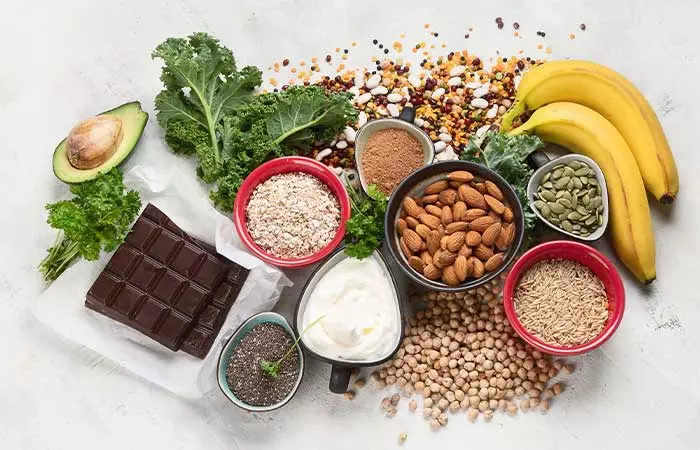
The connection between nutrition and migraine is complex and is still not entirely understood. However, certain foods rich in magnesium, fiber, and omega-3 fats may effectively help manage a few symptoms of migraine ( 3 ).
Though there is limited scientific evidence, the following dietary modifications may possibly help improve migraines ( 1 ), ( 4 ):
- The Ketogenic Diet: This low-carb diet burns fat instead of carbs and alters brain metabolism i A set of complex chemical reactions that occur in the brain and support cognitive functions, including mood regulation. . This may counteract neural inflammation and reduce migraine frequency ( 5 ).
- Low‐Fat Diet: Intake of a low-fat diet was found to reduce the severity and incidence of migraine headaches ( 6 ).
- The DASH Diet: The Dietary Approach To Stop Hypertension (DASH) diet suggests the intake of foods with low sodium content to lower blood pressure levels. Although more research is needed in this area, there may be a possible link between elevated blood pressure and headache, particularly migraine ( 7 ). Another study found that the diet is associated with lower headache severity and duration in women who have migraine ( 8 ).
- The High-Folic Acid Diet: Folate aids in the conversion of homocysteine i An amino acid your body makes, the high levels of which can cause heart disease and stroke. into methionine i An essential amino acid that plays a crucial role in metabolism and is found in fish, meat, and dairy products. . High homocysteine levels in the blood are associated with an increased risk of migraine ( 9 ).
- The Modified Atkins Diet: This low-carb diet is similar to the Keto diet. It helps induce ketosis i A metabolic state that occurs when the body burns fat for energy instead of glucose reserves. that may help reduce migraine headaches ( 10 ). However, further research is needed in this regard.
- The H3-L6 (High Omega-3/Low Omega-6) Diet: Omega-3 fats are known for their anti-inflammatory properties that help reduce inflammation. This may play a role in minimizing migraine headaches ( 11 ).
While these diets seem to have certain benefits, it is recommended to consult with your healthcare provider before getting started on any of them.
What Does A Migraine Attack Feel Like?

Migraine attacks vary from person to person. However, they are typically characterized by intense headaches and other symptoms like dizziness, fatigue, nausea, and sensitivity to light or sound. Migraine attacks can occur in four phases ( 12 ):
- The Prodromal Phase: It precedes the headache phase by up to 72 hours and is accompanied by irritability, changes in mood, fatigue, food cravings, stiff neck, repeated yawning, and phonophobia (sensitivity to sound).
- The Aura Phase: It consists of fully reversible neurological symptoms that last between 5 and 60 minutes. These symptoms are typically related to sensory and motor functions.
- The Headache: It is accompanied by nausea, vomiting, phonophobia, and photophobia (sensitivity to light), and lasts up to 4 to 72 hours.
- The Postdrome Phase: Also known as the migraine hangover phase, it can last for hours to even days. Typically, the headache subsides by this phase, but is accompanied by tiredness, stiffness in the neck, and difficulty concentrating.
One approach to dealing with migraines is properly planning your meals according to your requirements. The following sample diet plan can give you an idea.
3-Day Sample Migraine Diet Plan

Day 1
- Breakfast: 2 scrambled eggs, 1 whole-grain toast, 1 cup of chamomile tea
- Lunch: 2 cups of spinach and strawberry salad with 3 oz. grilled chicken, 1 glass of water
- Snack: ¼ cup of mixed nuts, 6 oz. Greek yogurt
- Dinner: 1 cup of roasted Brussels sprouts, 4-6 oz. baked salmon
Day 2
- Breakfast: 1 sesame bagel with cream cheese, 1 glass of water
- Lunch: 4-6 oz. grilled shrimp with 1 cup of broccoli, ½ cup of brown rice, 1 glass of water
- Snack: 1 cup of baby carrots, 1 glass of water
- Dinner: 4-6 oz. grilled chicken with 2 cups of sautéed spinach
Day 3
- Breakfast: 1 cup of smoothie with spinach, 1 oz. almonds, ½ cup of grapes
- Lunch: 1 cup of quinoa and chickpea salad, 1 pear, 1 glass of water
- Snack: 2 celery sticks with 2 tablespoons of almond butter, 1 glass of water
- Dinner: 4-6 oz. grilled chicken breast with ½ cup of brown rice, 1 cup of asparagus
What Foods Can Trigger A Migraine?
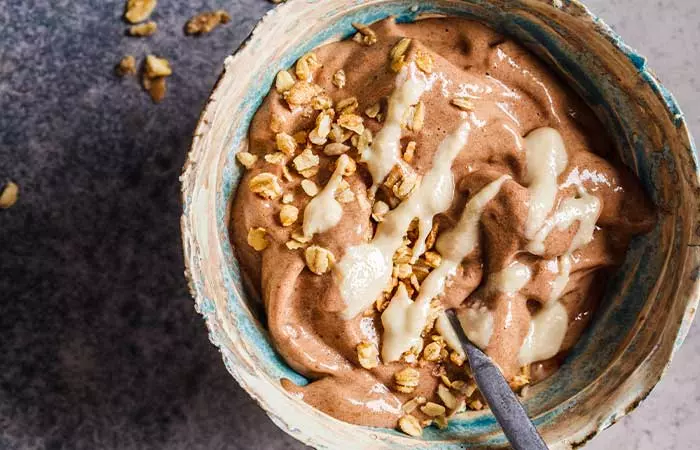
Migraine is a multidimensional disorder that is influenced by several factors. The right diet, along with medical compliance, plays a major role in migraine management. Foods may not always trigger headaches directly. In some cases, missing meals, hunger, and food cravings may also cause them ( 12 ).
Migraines are often linked with metabolism. Hence, an elimination diet strategy may help treat them. Here are some dietary ingredients that may trigger headaches ( 3 ):
- Vegetables (tomatoes, olives, onions, and lima beans)
- Fruits (avocados, red plums, and figs)
- Dairy Products (aged cheese, yogurt, and sour cream)
- Snacks/Desserts (ice cream, chocolates, nuts, and peanut butter)
- Alcoholic Beverages (red wine and malted beers)
- Caffeine (coffee and other caffeinated drinks)
- Artificial Sweeteners (Aspartame and sucralose)
- Nitrite-rich Foods (Aged or processed meats, pickled fish or meat, and hot dogs)
- Tyramine-rich foods (some kinds of fresh baked foods and aged cheeses)
- Histamine-containing Foods (Dried fruits and fermented foods)
- Phenylethylamine-rich Foods (Citrus fruits, soy foods, chocolate, and vinegar)
- Monosodium Glutamate (MSG) (used in instant noodles, hot dogs, deli meats, ann sausages)
- Gluten-rich Foods (wheat-based bread, pasta, cakes, and cookies)
Best Foods And Drinks For Migraines
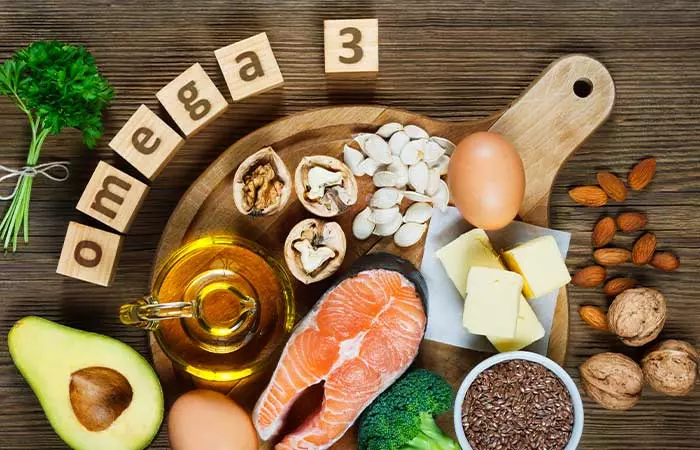
There is no scientific data suggesting a standard list of foods that can help prevent migraines. However, some foods rich in specific nutrients may help deal with the symptoms and reduce migraine frequency. These include:
- Magnesium-rich Foods: Include leafy greens, almonds, whole grains, and tuna fish. Using magnesium salts or supplementing magnesium may also help reduce the frequency of migraines ( 13 ).
- Fiber-rich Foods: Consume fruits, vegetables, and legumes. In some individuals, increasing daily fiber intake by just 10 grams was found to possibly reduce migraine prevalence by 11% ( 4 ).
- Omega-3 Fats: Include omega-3-rich foods like fish, seeds, and legumes in your diet. Omega-3 fats inhibit the inflammatory action of cytokines with their anti-inflammatory properties and may help relieve migraine pain ( 14 ).
- Green Tea: Anecdotal evidence suggests that moderate intake of green tea may provide relief from migraines due to the presence of antioxidants.
- Water: Dehydration is one of the most common triggers of migraine headaches. Stay hydrated throughout the day.
Rather than focusing on what to eat when nauseous or experiencing other migraine symptoms after the fact, make it a habit to include these foods in your daily diet. Over time, they may help control the symptoms. In addition, consistent meal schedules and proper sleep may help control migraine. Skipping meals may lead to fluctuations in blood sugar levels and may trigger migraines in some people.
Note: If you are experiencing migraine headaches, keeping a food journal is a great way to identify potential triggers and reduce exposure to them.
The severity of migraine headaches varies from person to person, and it is essential to know when to seek medical advice. Know more in the next section.
When To See A Doctor
Seek medical attention if you have frequent and severe headaches. Also, consult your healthcare provider if you are looking to make dietary changes to alleviate migraine headaches.
Infographic: Foods That Trigger Migraine
The migraine diet focuses on identifying and avoiding trigger foods to prevent and manage migraine headaches. While triggers can vary from person to person, we have created a list of common foods and drinks that you may avoid when you are on this diet. Check out the infographic below for more information.
A migraine diet focuses on eliminating headache-triggering foods like alcohol, artificial sweeteners, and caffeine while promoting the intake of nutrient-rich foods. Including omega-3 fats and fiber-rich foods in your diet and drinking enough water throughout the day may help reduce the risk of migraine headaches. In addition, specific diet plans also help improve this condition. However, consult your healthcare professional for a personalized diet plan for migraine management.
How long does it take to see results from a migraine diet?
In general, it may take at least a few weeks to months to see results from a migraine diet. The results depend on the type of dietary changes you make to your diet, your sensitivity to foods, and medical conditions, if any.
What are some common mistakes people make when following a migraine diet?
Not drinking enough water, not carefully reading product labels for ingredients, skipping meals, and eliminating too many foods at a time are some common mistakes people make when following a migraine diet.
Can children and teenagers follow a migraine diet safely?
Yes. Children and teenagers can safely follow a migraine diet. However, it is important to consult a healthcare provider to understand their nutritional needs before they start the diet.
Illustration: Migraine Diet: Foods To Eat And Avoid
Image: Dall·E/StyleCraze Design Team
Struggling with migraines? Dive into this informative video on the ketogenic diet’s potential to alleviate those painful episodes. Discover the diet’s impact on migraines and regain control of your well-being.
References
- The role of diet and nutrition in migraine triggers and treatment: A systematic literature review https://www.ncbi.nlm.nih.gov/pmc/articles/PMC7496357/
- The prevalence and impact of migraine and severe headache in the United States: Figures and trends from government health studies https://headachejournal.onlinelibrary.wiley.com/doi/10.1111/head.13281
- Migraine and diet https://www.ncbi.nlm.nih.gov/pmc/articles/PMC7352457/
- The association between dietary fiber intake and severe headaches or migraine in US adults https://www.ncbi.nlm.nih.gov/pmc/articles/PMC9846638/
- Migraine improvement during short-lasting ketogenesis: a proof-of-concept study https://onlinelibrary.wiley.com/doi/10.1111/ene.12550
- The influence of a low-fat diet on incidence and severity of migraine headaches https://pubmed.ncbi.nlm.nih.gov/10839648/
- Association of migraine with incident hypertension after menopause https://n.neurology.org/content/97/1/e34
- Associations between adherence to dietary approaches to stop hypertension (DASH) diet and migraine headache severity and duration among women https://www.tandfonline.com/doi/abs/10.1080/1028415X.2018.1503848
- Effects of dietary folate intake on migraine disability and frequency https://pubmed.ncbi.nlm.nih.gov/25598270/
- Efficacy of Modified Atkins Ketogenic Diet in Chronic Cluster Headache: An Open-Label, Single-Arm, Clinical Trial https://www.ncbi.nlm.nih.gov/pmc/articles/PMC5816269/
- Beneficial outcomes of omega-6 and omega-3 polyunsaturated fatty acids on human health: An update for 2025 https://www.ncbi.nlm.nih.gov/pmc/articles/PMC8308533/
- Pathophysiology of migraine: A disorder of sensory processing https://www.ncbi.nlm.nih.gov/pmc/articles/PMC5539409/
- Magnesium as an important factor in the pathogenesis and treatment of migraine—from theory to practice https://www.ncbi.nlm.nih.gov/pmc/articles/PMC8912646/
- Molecular mechanisms of omega-3 fatty acids in the migraine headache https://www.ncbi.nlm.nih.gov/pmc/articles/PMC5937007/



Community Experiences
Join the conversation and become a part of our empowering community! Share your stories, experiences, and insights to connect with other beauty, lifestyle, and health enthusiasts.


