A woman’s body undergoes numerous changes during pregnancy. Along with stretch marks, pregnant women may also experience puppp rash. They have a red, pimple-like appearance and may line the stretch marks. However, there are natural and herbal remedies for pregnancy puppp rash. They include the application of topical creams, scrubbing, and moisturizing with natural oils. These may reduce the appearance of puppp rash to some extent.
Puppp rash or pruritic urticarial papules and plaques often spread across the chest and legs. They may cause itchiness, hives i A skin condition with red, itchy, raised welts that last more than six weeks and may return over months or years. and appear as swollen red patches. If you are an expectant mother, do not get alarmed by this. They usually resolve in a few days after delivery.
Keep reading this article to know more about this condition in detail, natural remedies to manage and combat it effectively, and other safe treatment and skin care options available.
In This Article
What Is A PUPPP Rash?
PUPPP is the short form for Pruritic Urticarial Papules and Plaques of Pregnancy. This itchy rash occurs along with the stretch marks during the later stages of pregnancy. This pregnancy rash is believed to occur in 1 out of every 150 pregnancies.
A PUPPP rash often starts in the abdomen but can also spread to the legs and chest. It results in the formation of red, hive-like bumps along the creases of your stretch marks. This rash can become larger and swollen. In individuals with a lighter skin tone, such rashes are often found surrounded by a thin, white halo.
In most cases, a PUPPP rash resolves within 15 days of childbirth.
According to one study published by the American Academy Of Family Physicians revealed that Pruritic urticarial papules and plaques of pregnancy (PUPPP) is the most common pregnancy-related dermatosis, occurring in one out of 130 to 200 pregnancies.
Let’s now find out what factors trigger the formation of these rashes.
Key Takeaways
- A PUPPP rash occurs in the later stages of pregnancy and resolves after childbirth.
- The most common symptom is the small, pink, pimple-like itchy rash on the belly button.
- You can treat PUPPP rash with natural remedies like an oatmeal bath, cold compress, chamomile, clove oil, dandelion root, etc.
- Consult a healthcare provider if your symptoms worsen or home remedies are not effective.
Causes And Risk Factors For PUPPP Rash
The exact cause of a PUPPP rash has not yet been found. However, the stretching of the skin during pregnancy is believed to trigger this rash. This rash often surfaces during the third trimester of pregnancy, when the baby begins growing faster, and appears within the stretch marks.
Factors that can increase a woman’s risk of developing a PUPPP rash are:
- Ethnicity – Caucasians may be at a higher risk.
- Pregnancy
- A first pregnancy is more likely to trigger a PUPPP rash.
- Multiple pregnancies
- Weight gain during pregnancy
- Maternal hypertension
The following are some of the most common symptoms associated with a PUPPP rash.
What Are The Symptoms Of A PUPPP Rash?
A PUPPP rash usually occurs in the stretch marks along your belly button before it starts spreading further. It is usually:
- Small
- Pink
- Pimple-like
- Itchy
A PUPPP rash has a strong resemblance to hives. Eventually, there is a chance of this rash forming large, red, and plaque-like areas around your belly.
Blisters may also form on PUPPP rashes at times. These rashes may then spread to the thighs, buttocks, legs, and arms. However, they are observed not to spread higher than the breasts.
If you think you may have developed a severe PUPPP rash during pregnancy, it is best to consult a doctor to rule out other infections.
How Is A PUPPP Rash Diagnosed?
A doctor will diagnose a PUPPP rash by examining your skin and symptoms. Most often, a physical examination of the skin is sufficient to diagnose a PUPPP rash. However, your doctor may order some tests to rule out other infections. They include:
- Complete blood count
- Serum human choriogonadotropin i A placental hormone produced during pregnancy, an excess of which can sometimes point to underlying health problems, such as skin cancer. (HCG)
- Liver function test
- Serum cortisol i The primary stress hormone that affects stress levels, sleep cycle, metabolism, and almost every organ and tissue in the body.
A PUPPP rash usually eases and resolves by itself once you deliver your baby. However, the rash may persist for a few extra weeks in some women.
Here are some natural remedies that can assist in managing the symptoms of a PUPPP rash.
Effective Natural Remedies To Treat A PUPPP Rash
- Oatmeal Bath
- Cold Compress
- Chamomile
- Peppermint
- Clove Oil
- Dandelion Root
How To Treat A PUPPP Rash Naturally
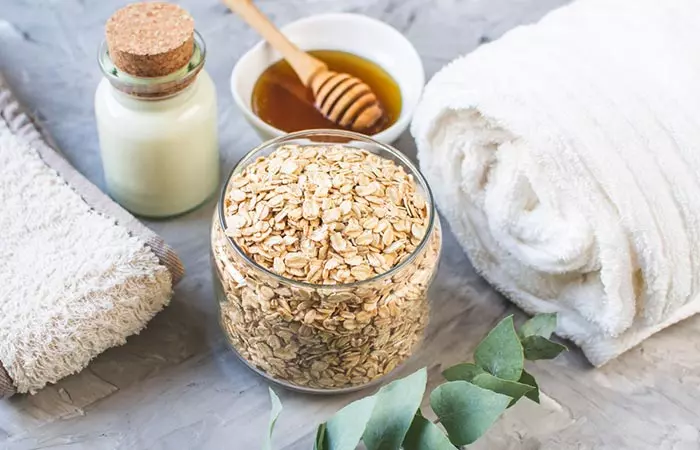
1. Oatmeal Bath
Shutterstock
You Will Need
- 1-2 cups of oatmeal
- Water
What You Have To Do
- Fill your tub with water.
- Add one to two cups of oatmeal to it.
- Soak in the bath for 20-30 minutes.
How Often You Should Do This
You can do this 1-2 times daily.
Why This Works
Oatmeal possesses anti-inflammatory properties that can help in relieving itchiness and inflammation associated with a PUPPP rash ( 1 ).

2. Cold Compress
Shutterstock
You Will Need
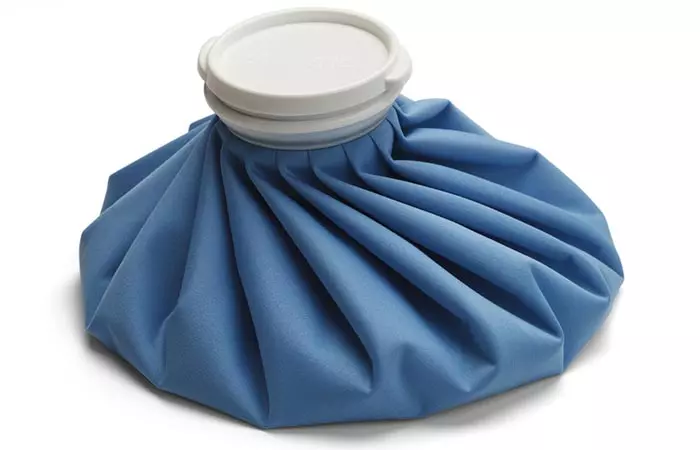
An ice pack or cold compress
What You Have To Do
- Apply a cold compress to the affected area.
- Leave it on for 5-10 minutes.
- Remove and repeat as necessary.
How Often You Should Do This
You may do this 1-2 times daily.
Why This Works
The numbing action of cold compresses can help relieve itchy skin ( 2 ). Hence, it may also soothe a PUPPP rash.
3. Chamomile
Shutterstock
You Will Need
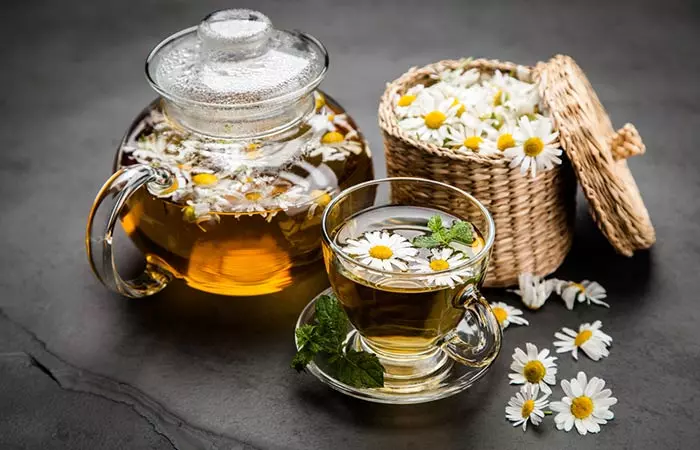
- 1 teaspoon of chamomile tea
- 1 cup of hot water
- Cotton balls
What You Have To Do
- Steep a teaspoon of chamomile tea in a cup of hot water for 5-10 minutes.
- Soak a cotton ball in this mixture and apply it to the affected area.
- Leave it on for 15-20 minutes.
- Rinse it off with water.
How Often You Should Do This
You may do this 1-2 times daily for best results.
Why This Works
Chamomile tea possesses significant anti-inflammatory properties that may be beneficial in managing the itchiness and swelling associated with a PUPPP rash ( 3 ).
4. Peppermint
Shutterstock
You Will Need
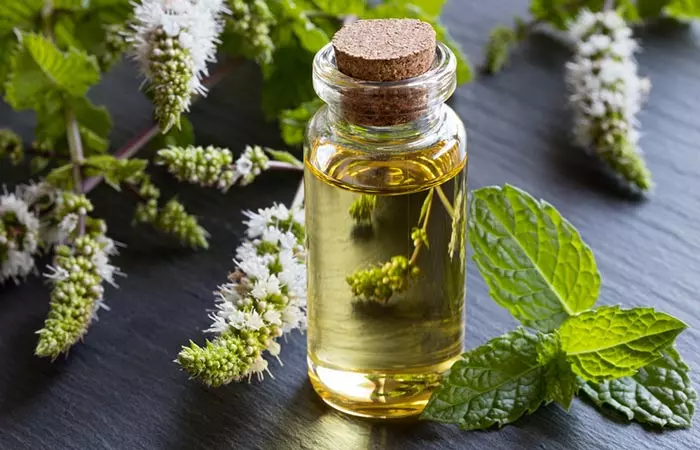
- 2-3 drops of peppermint oil
- ½ tablespoon of coconut oil
What You Have To Do
- Add two to three drops of peppermint oil to half a tablespoon of coconut oil.
- Mix well and apply it to the affected area.
- Leave it on for 20-30 minutes before rinsing it off.
How Often You Should Do This
You can do this once daily until you notice an improvement in your symptoms.
Why This Works
Peppermint oil is effective in relieving the symptoms of itching. It may, hence, also help in alleviating the inflammatory symptoms of a PUPPP rash ( 4 ).
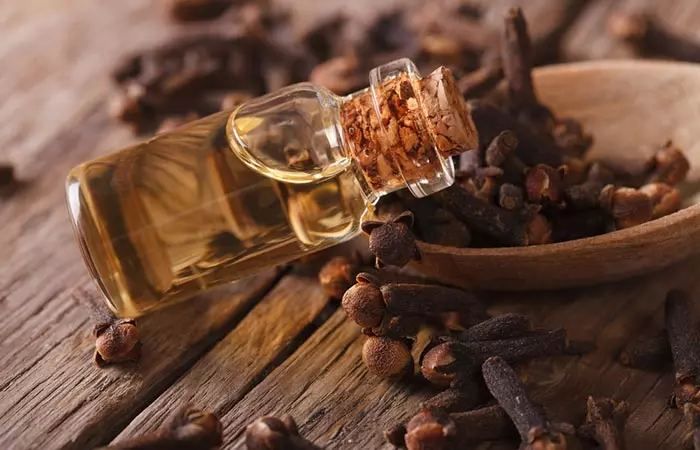
5. Clove Oil
Shutterstock
You Will Need
- 2-3 drops of clove oil
- ½ tablespoon of coconut oil
What You Have To Do
- Add two to three drops of clove oil to half a tablespoon of coconut oil.
- Mix well and apply it to the affected area.
- Leave it on for at least 20-30 minutes before rinsing it off.
- You can also leave the mixture on your skin overnight.
How Often You Should Do This
You may do this 1-2 times daily for best results.
Why This Works
Clove oil can help relieve itchiness ( 5 ). Hence, its topical application may help in reducing the symptoms of a PUPPP rash.
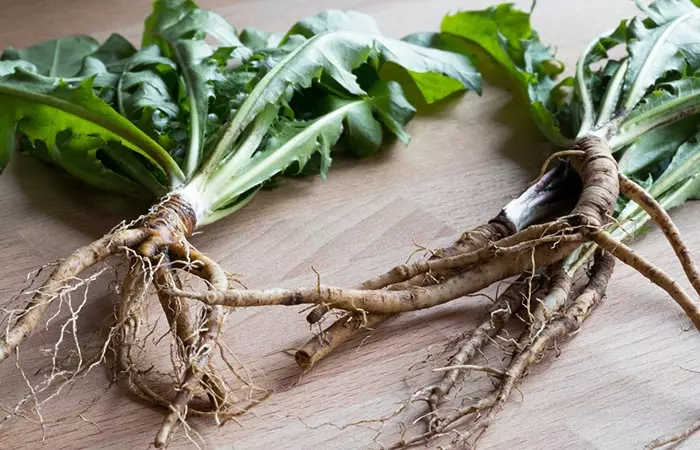
6. Dandelion Root
Shutterstock
You Will Need
- 1-2 teaspoons of dandelion root tea
- 1 cup of water
- Cotton balls
What You Have To Do
- Add one to two teaspoons of dandelion root tea to a cup of water.
- Bring it to a boil in a saucepan.
- Simmer for 5-10 minutes and strain.
- Wait for the tea to cool down a bit.
- Soak a cotton ball in the solution and apply it to the affected area.
- Leave it on for 20-30 minutes and rinse it off.
How Often You Should Do This
You can do this 1-2 times daily.
Why This Works
Dandelion (Taraxacum officinale) root exhibits anti-inflammatory activities ( 6 ). These activities can help in reducing the inflammation around the affected area.
All these remedies can help in soothing a PUPPP rash and alleviating its symptoms. Some people believe eliminating certain foods from their diet also helps relieve these rashes. Find out more in the following section.
Foods To Avoid With PUPPP Rash
While there are no standard diets for PUPPP rashes, anecdotal evidence suggests that avoiding certain foods helps alleviate the itching and irritation of the skin. The following is a general list of foods to avoid:
- Processed food items that contain artificial preservatives and flavors that may cause allergic reactions.
- Spicy foods.
- Foods that are commonly associated with allergies, such as dairy, nuts, seafood, etc.
- Citrus fruits such as oranges, lemons, grapefruits, etc.
- Histamine-rich foods such as fermented foods and cheese.
- Gluten-rich foods such as wheat, barley, rye, etc.
- Caffeine and chocolate.
Despite following these remedies, if you notice an escalation or no change in the condition, take your healthcare provider’s consultation. Keep reading to know what signs point towards medical intervention.
When To See A Doctor
You should see a doctor for PUPPP if the rash worsens, spreads rapidly, or is accompanied by severe itching or discomfort. If you notice any unusual symptoms, such as fever or signs of infection, it is important to seek medical attention. Always consult your healthcare provider if you are unsure about your symptoms or how to manage them.
Alongside the above remedies and suggestions, you should also follow the tips listed below as part of your pregnancy skincare routine to prevent the recurrence or worsening of the PUPPP rash.
Prevention Tips
- Do not scratch the rashes.
- Stay hydrated by drinking plenty of water.
- Avoid using moisturizers that contain retinol, salicylic acid, or vitamin A as these compounds can aggravate the rash.
- Wear loose-fitting and comfortable clothing.
- Moisturize your skin , including the affected area, daily.
- Avoid warm baths as they might aggravate itching and inflammation.
- Avoid using soap-based cleansers.
- Avoid excessive sun exposure.
Infographic: 6 Ways To Soothe A PUPPP Rash Naturally
PUPPP rashes usually develop in the third trimester of pregnancy and may last until two weeks after delivery. They are usually found on the stretch marks on the abdomen and can spread across the chest and legs. These rashes can be itchy, but now we know there are some natural remedies you can use to soothe the skin and relieve itching. Check out the infographic below for a quick rundown of these natural remedies. Some thing wrong with infographic shortcode. please verify shortcode syntax
Pregnant women may experience PUPPP rash. It is an itchy rash that appears in the stretch marks on the stomach during late pregnancy. Weight gain during pregnancy and maternal hypertension i A condition of elevated blood pressure diagnosed after 20 weeks of pregnancy or close to delivery in previously healthy women. are the common reasons for this condition. However, there are some effective natural treatments for this skin irritation. Using an oatmeal bath, cold compress, chamomile, peppermint, clove oil, and dandelion root may soothe the itchiness. In addition, staying hydrated, wearing loose-fitting clothes, moisturizing the skin, and avoiding warm baths may keep the PUPPP rash from worsening. But if the rash does not improve even after trying the home remedies, and lead to dermatitis or eczema, consult your doctor immediately.
Can PUPPP rash affect my baby?
PUPPP rash typically does not affect your baby directly. However, it is important to manage your symptoms for your comfort and well-being during pregnancy.
What over-the-counter medications are safe during pregnancy?
Some safe over-the-counter medications for PUPPP during pregnancy include hydrocortisone creams, antihistamines, and moisturizers. However, always consult your healthcare provider before taking any medication.
Does aloe vera help PUPPP?
The cooling properties of aloe vera may help soothe the skin and heal PUPP rash.
Is calamine lotion good for PUPPP?
Yes, using over-the-counter calamine lotion may help stop the itching caused by PUPPP. However, consult a doctor if you do not see any change.
Can PUPPP cause early labor?
No, PUPPP does not cause early labor. It is also not a sign of labor. The rashes will disappear after delivery.
Is PUPPP worse at night?
Yes, PUPPP rash can be extremely itchy at night and disturb your sleep. Consult your doctor for anti-itch creams.
Does PUPPP rash leave scars?
No, PUPPP rash usually does not leave scars. However, scratching the area may result in scars.
Is PUPPP an autoimmune disease?
No, PUPPP is not an autoimmune disease. It is a common dermatological condition present in pregnant people.
Does prednisone help PUPPP?
Yes, oral consumption of prednisone i A group of medications used to decrease inflammation, keep the immune system in check, and treat various health conditions. may help treat PUPPP rashes. However, consult a doctor for the appropriate dosage.
Check out this video if you are dealing with a PUPPP pregnancy rash. Learn about the specific foods that can work wonders to reduce inflammation and provide soothing relief for your skin.
References
- “ Anti-inflammatory activities of colloidal oatmeal (Avena sativa) contribute to the effectiveness of oats in the treatment of itch associated with dry, irritated skin .” Journal of Drugs in Dermatology, US National Library of Medicine.
- “ Pruritus ” The Journal of Clinical and Aesthetic Dermatology, US National Library of Medicine.
- “ Chamomile, an anti-inflammatory agent inhibits inducible nitric oxide synthase expression by blocking RelA/p65 activity ” International Journal of Molecular Medicine, US National Library of Medicine.
- “ The Effect of Peppermint Oil on Symptomatic Treatment of Pruritus in Pregnant Women ” Iranian Journal of Pharmaceutical Research, US National Library of Medicine.
- “ Effectiveness of topical clove oil on symptomatic treatment of chronic pruritus .” Journal of Cosmetic Dermatology, US National Library of Medicine.
- “ Anti-inflammatory activity of Taraxacum officinale .” Journal of Ethnopharmacology, US National Library of Medicine.



Community Experiences
Join the conversation and become a part of our empowering community! Share your stories, experiences, and insights to connect with other beauty, lifestyle, and health enthusiasts.


