In This Article
- What Is The Runner’s Diet?
- Key Takeaways
- How Does The Runner’s Diet Work?
- Runner’s Diet For Weight Loss
- Benefits Of The Runner’s Diet
- Runner’s Diet Food List
- Sample Runner’s Diet Meal Plan
- Does The Runner’s Diet Work? What Eleana Kaidanian, RD, Says
- Who Should Not Follow The Runner’s Diet Plan
- Side Effects Of The Runner’s Diet
- Infographic: A Simple Guide To The Runner’s Diet
- Frequently Asked Questions
- Illustration: Runners Diet - Benefits, Food List, And Effective Diet Plan
- Community Experiences
What Is The Runner’s Diet?
The runner’s diet focuses on a balanced diet of carbohydrates, proteins, healthy fats, and essential minerals and vitamins. Proper nutrition provides the required energy to fuel runs and recuperate from training . The runner’s diet can also enhance endurance, avoid injury, and promote muscle growth and repair ( 1 ).
One may get on different types of runners’ diets depending on their specific needs and goals. Some of these include:
1. High-Carbohydrate Diet
Consuming lots of carbohydrates to power runs and refuel afterward. Beneficial for endurance runners or those who participate in long-distance running events.
2. Low-Carbohydrate Diet
Consuming fewer carbohydrates while consuming more healthy fats and proteins. Beneficial for those looking to lose weight and improve body composition.
3. Low-Fat Diet
A lower fat and higher intake of carbohydrates and protein. Beneficial for anyone trying to get healthier and lose weight.
4. High-Fat Diet
A high intake of healthy fats that is beneficial for runners looking to reduce inflammation and improve their overall health. Fat is the primary nutrient used to fuel your muscles. Don’t overlook it as it is an important part of your diet.
5. Vegetarian/Vegan Diet
Eliminates meat and other animal products for plant-based protein sources, carbs, and lipids.
6. Gluten-Free Diet
Cuts out wheat, barley, rye, and products containing gluten.
Kevin Hoegler, an ultra runner, spoke about how eating a low-carb, high fat diet benefitted him in his vlog. He said, “It makes me feel good. I don’t have stomach issues. I will be able to run longer. It limits inflammation in my body ( i )“

Key Takeaways
- A runner’s diet should have carbs for energy, protein for muscle repair, healthy fats for recovery, and hydration for performance.
- Focus on wholesome, nutritious foods like whole grains, lean proteins, healthy fats, fruits, and vegetables.
- Individuals with allergies and diabetes should avoid the runner’s diet as it may interfere with the medications they take.
- Pay attention to your individual needs and adjust your diet accordingly. Experiment with different foods and meal timings to find what works best for you.
How Does The Runner’s Diet Work?
A runner’s diet should be a healthy balance of carbohydrates, protein, healthy fats, vitamins and minerals, and would comprise fruits, vegetables, and whole grains. Drinking enough water and electrolyte-rich fluids is essential for runners to stay hydrated.
Carbohydrates
Shutterstock
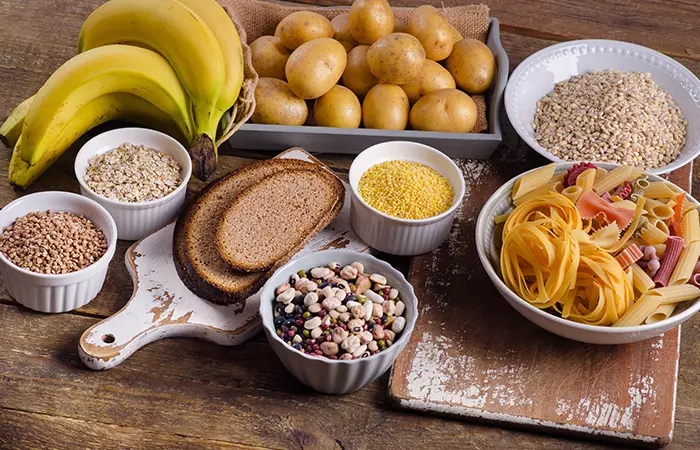
The majority of a runner’s diet should consist of carbohydrates because they are the main energy source for running.
Studies indicate that carbohydrate ‘loading’ may improve marathon performance by enabling the runner to maintain their preferred pace for more time before becoming fatigued. This can be achieved by reducing exercise days before the marathon and consuming 10-12 g/kg of carbohydrates daily in the 48-hour period before the event ( 2 ).
Excellent sources of carbohydrates include whole grains, fruits, vegetables, and legumes. These foods give runners the energy to finish their training and aid in replenishing muscle glycogen stores ( 3 ).
Protein
Protein is pivotal for runners because it supports the recovery and regrowth of muscle tissue damaged during exercise ( 4 ). Studies suggest that endurance athletes’ recommended daily protein intake may be between 1.2 and 2.0 g/kg ( 5 ).
Marathon runners who had a carbohydrate and protein mix during a run experienced less weariness and muscle pain 72 hours later than those who only consumed carbohydrates. This indicates that proteins play a role in post-run muscle recovery ( 6 ).
Lean meats, fish, eggs, dairy products, beans, lentils, and quinoa are excellent protein sources for runners.
Healthy Fats
Runners should have a reasonable amount of healthy fats in addition to carbohydrates, protein, and other macronutrients. Fat intake of about 30% of daily calories is advised for athletes. However, those looking to shed body fat may consume 0.51g/kg/day of dietary fat ( 7 ).
Studies suggest that runners who follow a low-fat diet take in fewer calories and perform less efficiently on endurance tests than those who follow a medium- or high-fat diet ( 8 ). Thus, consumption of good fats is imperative for marathon runners.
These include the monounsaturated and polyunsaturated fats in foods like olive oil, nuts, seeds, and avocado ( 9 ).
Vitamins And Minerals
Vitamins and minerals like iron and calcium are essential for runners as they deliver oxygen to cells and boost bone health, respectively ( 10 ), ( 11 ).
However, chronic vitamin and/or mineral supplementation does not improve fitness performance ( 12 ). Obtain your daily requirements from your diet alone by meal planning accordingly rather than concentrating solely on multivitamins or mineral supplements. Whole grains, nuts, seeds, fruits, and vegetables are excellent sources of vitamins and minerals.
Vitamins and minerals are essential for your body to metabolize nutrients from your diet and create hormones. Even if you are trying to lose weight, you will need these essential elements for your body.
Hydration
Drinking enough water is critical to helping you perform better, recover more quickly, and avoid injuries ( 13 ). Runners should try to drink lots of water and electrolyte-rich beverages throughout the day, but should focus on doing so before, during, and after exercise.
Runner’s Diet For Weight Loss

Shutterstock
A runner’s diet can work for weight loss by creating a calorie deficit, which occurs when the body burns more calories than it consumes. Running and other forms of exercise can increase energy expenditure while lowering overall calorie intake ( 14 ).
Running enthusiasts should consume nutrient-dense foods while reducing processed foods and added sugars to aid in weight loss ( 15 ), ( 16 ). By doing so, they are consuming the right nutrients to sustain their running while also consuming fewer calories overall.
Runners should also be mindful of the timing and portion size of their carb intake to avoid overeating. Running more frequently and intensely can help burn more calories and establish a calorie deficit to aid in weight loss. However, this should be done gradually and under the guidance of a coach or physician to avoid injury.

Benefits Of The Runner’s Diet

Shutterstock
1. May Help Reduce Inflammation
Adequate intake of healthy fats found in nuts, seeds, and olive oil can help reduce inflammation in the body ( 9 ). Inflammation can lead to injury and delay recovery, so reducing it can help runners recover faster and perform better ( 17 ), ( 18 ).
Animal studies suggest that extra virgin olive oil can improve physical activity-induced oxidative stress i A condition caused by an imbalance between the creation and buildup of oxygen radicals in muscles and the ability to detoxify them. and inflammation ( 19 ). In a study, healthy adults who took omega-3 supplements after eccentric arm curl exercise experienced reduced inflammation ( 20 ).
Use olive oil for salads and other raw dishes. If you are cooking with oil, consider ghee or grass-fed butter.
2. May Boost Overall Health
Consuming a variety of fruits, vegetables, whole grains, lean proteins, and healthy fats can support overall health and reduce the risk of chronic diseases. Studies have linked healthy eating habits to a moderately lower incidence of type 2 diabetes i A long-term condition where your body produces or uses insulin inefficiently, leading to high blood sugar levels. , fractures, and colorectal and breast cancers. A weak correlation between a healthy diet and cardiovascular mortality and respiratory disorders was also discovered ( 21 ).
3. May Boost Mental Health
Adequate nutrition can improve mood and cognitive function, which can help runners perform and feel better overall.
Studies suggest that diets rich in omega-3 fatty acids and low in saturated fats lower the risk of stress-related psychiatric issues ( 22 ). Both the Mediterranean diet and the runner’s diet encourage the consumption of fruits, nuts, vegetables, and fish. A study found that the Mediterranean diet is healthier for mental health than the Western diet, which is often characterized by “unhealthy” eating habits ( 23 ). Thus, maintaining a healthy, specialized diet for runners may improve their mental health.
All of these advantages come from nutrient-dense foods that are part of this diet. Find out which meals you can indulge in and should stay away from in the following section.
Runner’s Diet Food List
Shutterstock
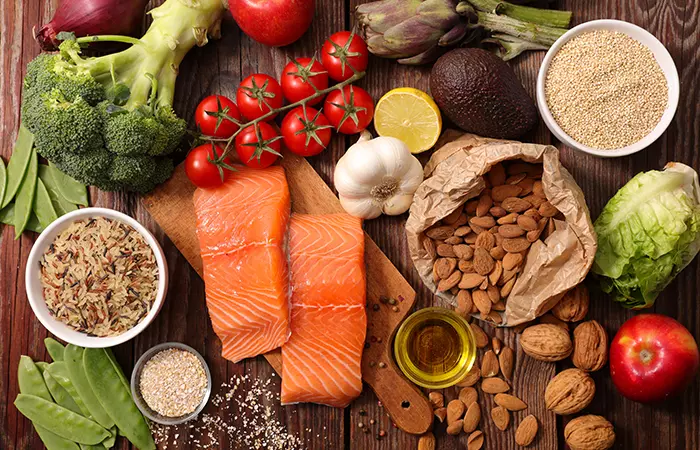
A runner’s diet should consist of nutrient-rich foods that provide the body with the required energy to support training and performance. The following foods are suggested:
Image: ShutterStock
Along with these major macronutrient groups, the following foods need to be consumed:
- Fruits: Berries, apples, oranges, watermelon, kiwi, apricot, peaches, and plums
- Vegetables: Leafy greens, broccoli, bell peppers, cauliflower, carrots, cucumbers, tomatoes, squash, and sweet potatoes
- Dairy: Low-fat milk, yogurt, cheese, and other dairy products
Limit or avoid meals rich in saturated and trans fats, added sugars, and processed foods when following a diet plan for runners. The specific foods to limit or stay away from are:
- Fried Foods: High in saturated and trans fats, which can increase inflammation and contribute to weight gain ( 24 ).
- Processed Meats: Sausages, bacon, and deli meats are high in sodium and saturated fats and have been linked to an increased risk of colorectal, colon, and rectal cancers ( 25 ), ( 26 ).
- Sweets And Sugary Drinks: High in added sugars, which contribute to weight gain and an increased risk of type 2 diabetes, coronary heart disease (CHD) i A type of heart disease characterized by damaged blood vessels due to plaque buildup, resulting in reduced blood supply to the heart. , and stroke ( 27 ).
- High-calorie, High-fat Snacks: Snacks like potato chips, cookies, and candy are high in calories and fat and can contribute to weight gain ( 28 ).
- High-salt Foods: Increase blood pressure and the risk of heart disease ( 29 ).
- Alcohol: Heavy alcohol consumption can dehydrate the body, disrupt your sleep, and impact your overall performance ( 30 ).
Before You Run
It’s essential to provide proper nutrition needed for the run and to stay away from fatty or heavy foods that may upset your stomach. Here are some recommendations for pre-run meals and snacks:
- 2-4 Hours Before A Run: Eat a balanced meal that contains carbohydrates, protein, and healthy fats.
- 1-2 Hours Before A Run: Eat a simple, light snack like a banana, granola bar, or a small yogurt dish if you are feeling hungry.
- 30 Minutes To 1 Hour Before A Run: Consume a small amount of easily digestible carbohydrates like a sports drink, an energy gel, or a piece of fruit.
During A Run
Refilling your body’s energy reserves is essential throughout a run to retain performance and avoid weariness. You might need to consume carbs and electrolytes while running, depending on the length and difficulty of the run. Following are some options for fuelling up while running:
- Sports Drinks: Formulated to provide carbohydrates and electrolytes to help maintain hydration and blood sugar levels during prolonged exercise.
- Energy Gels: Concentrated sources of carbohydrates like glucose, maltodextrin, or fructose. They are easy to carry and consume during a run and provide a quick energy boost.
- Energy Chews: Similar to energy gels but in a chewable form, they usually contain a mix of carbohydrates and electrolytes.
- Fruit or Candy: Natural foods like bananas, dried fruits, or sports candies that are high in carbohydrates and easy to consume on a run.
After A Run
Eating the right foods after a run is crucial for the recovery, repair, and replenishment of energy stores. Here are some guidelines for post-run meals and snacks:
- Within 30 Minutes After A Run: Eat a snack or meal containing a mix of carbohydrates and protein. You can have recovery bars, protein shakes, or healthy smoothies.
- Within 2 Hours After A Run: Have a balanced meal that contains carbohydrates, protein, and healthy fats. Opt for recipes that include Greek yogurt with oatmeal, granola, or fruits like berries. You can also incorporate lean meats like tuna, chicken, or salmon just like you do for your post-workout meal .
The amount of fluids you need to consume before, during, and after a run depends on your body weight, length and difficulty of the run, temperature and humidity, and your requirements. The following guidelines are recommended by the National Athletic Trainers’ Association (NATA) ( 13 ):
- Before a run: Drink about 500 to 600 ml of water or a sports drink 2-3 hours before your run and an additional 200 to 300 ml of fluids 10-20 minutes before your run.
- During a run: Fluid replacement during the workout should match sweat and urine losses. Retain hydration level that limits body weight loss to under 2%, which is accomplished by consuming 200 to 300 ml of fluids every 10-20 minutes.
- After a run: Hydration after exercise should compensate for any fluid lost during training or competition. You can weigh yourself before and after the run to know how much water you need to drink.
If you are unclear about where to begin or what to cook, fret not. Start with energy-giving foods to boost stamina . Otherwise, you may take a look at the meal plan we have devised below. Feel free to customize it after consulting nutritionist and as per your needs and taste.
Sample Runner’s Diet Meal Plan
Here is a sample 7-day runner’s meal plan that you can follow:
Day 1
Image: ShutterStock
Day 2
Image: ShutterStock
Day 3
Image: ShutterStock
Day 4
Image: ShutterStock
Day 5
Image: ShutterStock
Day 6
Image: ShutterStock
Day 7
Image: ShutterStock
Remember that this is only a sample meal plan. You should speak with a sports nutritionist for personalized advice.
Does The Runner’s Diet Work? What Eleana Kaidanian, RD, Says
Eleana Kaidanian
, RD, CDN, CPT-WFS, says, “The Runner’s Diet fits in general but is not a standardized diet as there are different types of runners, including short-distance, long-distance, and ultra-marathon runners, just to name a few. You cannot standardize one diet that meets the needs of these three different types of athletes, as the training is significantly different as well as the demands of the type of run on the body.”
She also adds, “While most of the key takeaways from the diet are encouraged for a runner, the recommendations still need to be individualized. For instance, while it is not advised to consume a high-sodium diet in general, I do not recommend restricting sodium for runners, as electrolyte replenishment lost in sweat is required. Electrolytes such as sodium can be replenished from foods, for example, olives, not just in supplemental chews or sports beverages. For that reason, it is important to evaluate your needs as an individual rather than a statistic.”
Who Should Not Follow The Runner’s Diet Plan
Certain runners should ensure that their diet is safe and provides all the necessary nutrients to support running. The diet should support recovery and not interfere with the medications they take. These include individuals who:
- Have food allergies or sensitivities
- Have a particular medical condition like diabetes ( 31 )
- Have eating disorders ( 32 )
- Pregnant or breastfeeding women ( 33 )
- Individuals on medications like warfarin and antibiotics ( 34 )
Every runner has distinct needs and goals and should customize their diet to meet them. The general public should also be informed of the possible drawbacks of adhering to a runner’s diet.
Side Effects Of The Runner’s Diet

Shutterstock
You may experience the following side effects while on a runner’s diet:
- Rapid Weight Loss
Anecdotal evidence suggests that runners consuming low-calorie foods or not getting enough carbohydrates may experience rapid weight loss. This may result in exhaustion, injury, and poor performance. However, further research is warranted in this regard.
- Nutrient Deficiencies
A very restrictive diet or eliminating entire food groups can lead to nutritional deficiencies. This may lead to unhealthy eating habits and a poor relationship with food ( 35 ).
- Gastrointestinal Distress
Consuming excess high-fiber foods might result in bloating, gas, and diarrhea ( 36 ).
- Dehydration
Little or excessive consumption of diuretic i Any ingredient, substance, or drug that encourages diuresis (excessive urine production) to flush out salt and water. fluids (coffee, tea, alcohol) can lead to dehydration, which can negatively impact performance and recovery ( 37 ).
Remember that eating a healthy, varied diet may prevent these adverse effects. Advice from a nutritionist or an experienced dietitian can ensure that a runner’s diet is well-balanced, supports their training, and prevents these possible side effects.
Infographic: A Simple Guide To The Runner’s Diet
Proper nutrition is essential for runners to perform well and recover quickly. A runner’s ideal nutrition includes a healthy balance of carbs, protein, healthy fats, and hydration. The infographic below presents the types of food that runners should include in their diet as well as some tips to keep in mind. Scroll down to know more!
The Final Word
Diet and lifestyle are essential to a runner’s training and results. It’s crucial to consume a balanced diet and plenty of water to power your runs. However, a runner’s diet should be customized to meet their unique demands and goals. Remember, no two people are the same when it comes to weight loss. So, it is imperative to speak with a registered dietitian or a doctor to develop a personalized plan that addresses your needs and health objectives.
How much should a runner eat a day?
Generally, a runner should have 12–15 calories/pound of body weight/day. Anecdotal evidence suggests that a runner weighing 150 pounds has to eat 1800–2250 calories daily. Speak with a sports nutritionist to address your unique requirements and objectives.
What foods make you run faster?
Carb-rich foods may make you run faster, as they are the primary energy source. While simple carbohydrates like those in sports drinks and gels are beneficial during a race to give you a short energy boost, complex carbs provide sustained energy ( 3 ).
Which fruit increases stamina for running?
Bananas are the ideal fruit to increase stamina and energy while running or doing any exercise. They have a unique mixture of carbohydrates, nutrients, and antioxidants that may provide good nutritional support during prolonged and intensive exercise ( 38 ). Apart from that, you may also try some tips, such as trying tempo runs, to increase stamina for running .
Should runners drink a lot of milk?
Runners need not drink a lot of milk. However, it provides high-quality protein and can be an effective post-exercise energy drink to promote muscle synthesis as it helps increase muscle hypertrophy and lean mass ( 39 ).
How can I stay motivated and consistent with my runner’s diet?
Set realistic goals and record your progress. Write it down as it makes you more accountable and pushes you to achieve it.
Illustration: Runners Diet - Benefits, Food List, And Effective Diet Plan
Image: Stable Diffusion/StyleCraze Design Team
Discover the key to successful running: consistency in your diet! Check out this insightful video to learn about the best diet practices for runners, focusing on the importance of maintaining consistency.
Personal Experience: Source
StyleCraze’s articles are interwoven with authentic personal narratives that provide depth and resonance to our content. Below are the sources of the personal accounts referenced in this article.
References
- Nutrition and Muscle Recovery https://www.ncbi.nlm.nih.gov/pmc/articles/PMC7909540/
- Nutrition strategies for the marathon : fuel for training and racing https://pubmed.ncbi.nlm.nih.gov/17465604/
- High-Quality Carbohydrates and Physical Performance https://www.ncbi.nlm.nih.gov/pmc/articles/PMC5794245/
- Effects of Protein Supplementation on Performance and Recovery in Resistance and Endurance Training https://www.ncbi.nlm.nih.gov/pmc/articles/PMC6142015/
- Protein Supplementation Throughout 10 Weeks of Progressive Run Training Is Not Beneficial for Time Trial Improvement https://www.ncbi.nlm.nih.gov/pmc/articles/PMC6230989/
- Protein Supplementation During or Following a Marathon Run Influences Post-Exercise Recovery https://www.ncbi.nlm.nih.gov/pmc/articles/PMC5872751/
- Current knowledge about sports nutrition https://www.ncbi.nlm.nih.gov/pmc/articles/PMC3562955/
- The effects of varying dietary fat on performance and metabolism in trained male and female runners https://pubmed.ncbi.nlm.nih.gov/10682876/
- Dietary Fat and Sports Nutrition: A Primer https://www.ncbi.nlm.nih.gov/pmc/articles/PMC3905293/
- Recent Advances in Iron Metabolism: Relevance for Health, Exercise, and Performance https://pubmed.ncbi.nlm.nih.gov/25494391/
- Calcium, physical activity and bone health–building bones for a stronger future https://pubmed.ncbi.nlm.nih.gov/11255501/
- International Society of Sports Nutrition Position Stand: nutritional considerations for single-stage ultra-marathon training and racing https://www.ncbi.nlm.nih.gov/pmc/articles/PMC6839090/
- Hydration to Maximize Performance and Recovery: Knowledge, Attitudes, and Behaviors Among Collegiate Track and Field Throwers https://www.ncbi.nlm.nih.gov/pmc/articles/PMC8336541/
- Rate of weight loss can be predicted by patient characteristics and intervention strategies https://www.ncbi.nlm.nih.gov/pmc/articles/PMC3447534/
- Optimal Diet Strategies for Weight Loss and Weight Loss Maintenance https://www.ncbi.nlm.nih.gov/pmc/articles/PMC8017325/
- Ultra-processed diets cause excess calorie intake and weight gain: An inpatient randomized controlled trial of ad libitum food intake https://www.ncbi.nlm.nih.gov/pmc/articles/PMC7946062/
- Inflammatory Arthropathy in the Elite Sports Athlete https://pubmed.ncbi.nlm.nih.gov/34752430/
- Soft Tissue Injections in the Athlete https://www.ncbi.nlm.nih.gov/pmc/articles/PMC3445176/
- Effects of dietary extra-virgin olive oil on oxidative stress resulting from exhaustive exercise in rat skeletal muscle: a morphological study https://pubmed.ncbi.nlm.nih.gov/23810034/
- The Effect of Omega-3 Fatty Acid Supplementation on the Inflammatory Response to eccentric strength exercise https://www.ncbi.nlm.nih.gov/pmc/articles/PMC3737804/
- Healthy and unhealthy dietary patterns and the risk of chronic disease: an umbrella review of meta-analyses of prospective cohort studies https://pubmed.ncbi.nlm.nih.gov/32600500/
- Diet, Stress and Mental Health https://www.ncbi.nlm.nih.gov/pmc/articles/PMC7468813/
- Food and mood: how do diet and nutrition affect mental wellbeing? https://www.ncbi.nlm.nih.gov/pmc/articles/PMC7322666/
- The Effect of Trans Fatty Acids on Human Health: Regulation and Consumption Patterns https://www.ncbi.nlm.nih.gov/pmc/articles/PMC8535577/
- Mechanistic evidence for red meat and processed meat intake and cancer risk: A follow-up on the International Agency for Research on Cancer Evaluation of 2015 https://www.ncbi.nlm.nih.gov/pmc/articles/PMC6294997/
- Red and Processed Meat and Colorectal Cancer Incidence: Meta-Analysis of Prospective Studies https://www.ncbi.nlm.nih.gov/pmc/articles/PMC3108955/
- The role of sugar-sweetened beverages in the global epidemics of obesity and chronic diseases https://www.ncbi.nlm.nih.gov/pmc/articles/PMC8778490/
- The Hidden Dangers of Fast and Processed Food* https://www.ncbi.nlm.nih.gov/pmc/articles/PMC6146358/
- Dietary Sodium Intake and Risk of Cardiovascular Disease: A Systematic Review and Dose-Response Meta-Analysis https://www.ncbi.nlm.nih.gov/pmc/articles/PMC7601012/
- The Risks Associated With Alcohol Use and Alcoholism https://www.ncbi.nlm.nih.gov/pmc/articles/PMC3307043/
- Nutritional Recommendations for Individuals with Diabetes https://www.ncbi.nlm.nih.gov/books/NBK279012/
- Eating Disorders https://www.ncbi.nlm.nih.gov/books/NBK567717/
- Macronutrient and Micronutrient Intake during Pregnancy: An Overview of Recent Evidence https://www.ncbi.nlm.nih.gov/pmc/articles/PMC6413112/
- Food-Drug Interactions https://www.ncbi.nlm.nih.gov/pmc/articles/PMC3191675/
- Micronutrient deficiency in obese subjects undergoing low calorie diet https://www.ncbi.nlm.nih.gov/pmc/articles/PMC3404899/
- Gas and Bloating https://www.ncbi.nlm.nih.gov/pmc/articles/PMC5350578/
- Influence of diuretic-induced dehydration on competitive running performance https://pubmed.ncbi.nlm.nih.gov/4033401/
- Bananas as an Energy Source during Exercise: A Metabolomics Approach https://www.ncbi.nlm.nih.gov/pmc/articles/PMC3355124/
- Milk: the new sports drink? A Review https://www.ncbi.nlm.nih.gov/pmc/articles/PMC2569005/



Community Experiences
Join the conversation and become a part of our empowering community! Share your stories, experiences, and insights to connect with other beauty, lifestyle, and health enthusiasts.


