There are many advantages of using amino acids for hair growth. Amino acids are important nutrients for good hair development. Unfortunately, out of 22 amino acids, our body cannot synthesize nine of them ( 1 ). Deficiency in a few of these essential and non-essential amino acids can cause hair loss ( 2 ).

What Is It? One of the 22 essential building blocks of protein.
What Are Its Benefits? It helps nourish and provide definition and protection to the hair, while softening and adding shine to it.
Who Can Consume It? Anyone can and should consume them; in fact your body makes amino acids of its own.
How Often? It should be consumed daily in controlled amounts.
Caution Excessive consumption can cause damage to the hair and make it brittle and prone to easy breakage.
In This Article
What Are Amino Acids?
Shutterstock
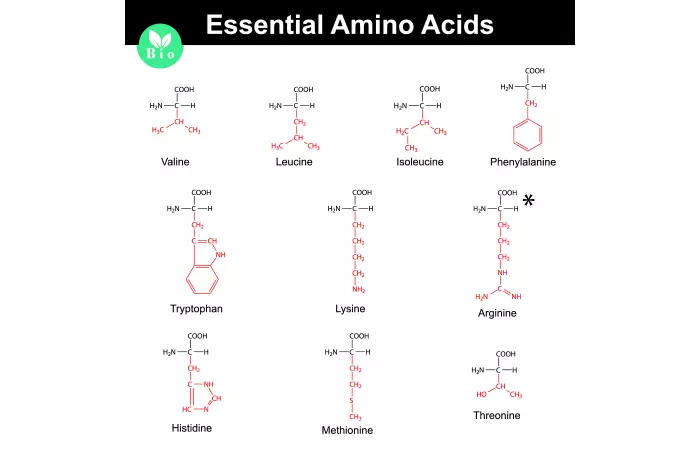
Amino acids are the building blocks of protein, which makes up one-fifth of the human body. Scientists have discovered at least 22 amino acids ( 1 ). Also known as essential amino acids, the 9 amino acids that the human body cannot synthesize are valine, phenylalanine, leucine, isoleucine, threonine, tryptophan, histidine, and methionine. Non-essential amino acids, on the other hand, can be synthesized by the human body. Some of them include glycine, proline, serine, and arginine.
But the question is, why are these amino acids good for the hair? Scroll down to find out.
Key Takeaways
- Amino acids may soften, nourish, and protect against hair damage.
- A balanced diet and proper hair care routine must include amino acid-rich foods like chicken, eggs, nuts, and supplements.
- Using liquid amino acids with conditioner may promote hair growth and nourishment to hair follicles.
- Consult a doctor before taking amino acid supplements.
Why Are Amino Acids Good For The Hair?
Shutterstock
Amino acids are good for maintaining hair health, tensile strength, hair density, and shine. Essential and non-essential amino acids combine to form various types of proteins. One of these proteins is keratin, the major component of hair fiber ( 3 ). Eighteen amino acids (essential and non-essential) form this keratin protein.
Which amino acids do you need to consume? What are their food sources? Scroll down to know about them.
Shutterstock
1. Cysteine
Cysteine is the most crucial amino acid for hair growth.
It helps stimulate new hair growth ( 4 ). Cysteine is a potent antioxidant that shields the hair from sun damage and other harmful radiations ( 5 ). Anecdotal evidence suggests that it can treat the symptoms of alopecia i An autoimmune medical disorder in which the immune system becomes faulty and attacks healthy hair follicles causing hair loss. . Cysteine also provides sulfur to hair cells and enhances texture and strength.
Food Sources Of Cysteine: Broccoli, Chicken, Wheat germ, Brussels sprouts, Milk, and Yogurt.

2. Methionine
Methionine is another essential amino acid for hair growth.
This amino acid is a strong antioxidant and warehouse of sulfur, a key ingredient for combating hair disorders. This increases blood supply to the hair follicles and scalp, which leads to hair growth. Anecdotal evidence suggests that methionine also plays a role in the synthesis of collagen that is responsible for strengthening the hair shaft.
Food Sources Of Methionine: Fish, Eggs, Brazil nuts, Cereal grains, and Sesame seeds.
3. Lysine
Lysine aids in the formation of collagen by absorbing calcium
( 6 ). This collagen is essential for developing the basic structure of hair follicles, strengthening the hair, and boosting hair growth. Lysine is also thought to inhibit 5-alpha reductase from converting testosterone i A testicular hormone responsible for regulating sex drive, sperms, RBCs, hair health, muscle mass, and fat distribution in men. into DHT i A sex hormone (dihydrotestosterone), the excess of which can interfere adversely with the hair growth cycle and reduce new hair growth. , which is the main cause of androgenetic alopecia (male pattern baldness).
Food Sources Of Lysine: Chicken, Eggs, Fish, Red meat, Legumes, Nuts, Pulses, Pork, and Dairy products.
4. Glycine
This amino acid plays a vital role in the production of collagen necessary for hair growth. Glycine is also essential in the effective functioning of the digestive and central nervous systems. Thus, it can protect the body against nerve disorders that cause hair loss.
Food Sources Of Glycine: Meat, Fish, Dairy products, and Legumes.
5. Arginine
Arginine is an essential amino acid required for healthy hair. Human hair growth is dependent on arginine ( 7 ). However, the sun depletes arginine, which makes the hair dry and damaged. Consuming foods rich in arginine can help curb this problem and make the hair thick and shiny.
Food Sources Of Arginine: Nuts, Seeds, Whole grains, Meat, Seaweed, Yogurt, and Cheese.
6. Cystine
Do not confuse this cystine with the cysteine that we discussed earlier! Cystine is a non-essential amino acid that helps stimulate hair regrowth and fight hair loss. Cystine is formed in our body by the disulfide bonding of two cysteine molecules. This dual bonding of amino acids provides strength to the hair ( 8 ), ( 9 ).
Food Sources Of Cystine: Eggs, Red meat, Chicken breast, Tuna, Lentils, Seeds, and Cheese.
7. Tyrosine
Tyrosine is a non-essential amino acid produced naturally in our body and responsible for hair melanin i A natural pigment produced by the special skin cells, melanocytes, that imparts color to skin, hair, and eyes. production ( 10 ). It also treats anxiety, depression, insomnia, and other stress issues that cause hair fall and hinder healthy hair growth ( 11 ).
Food Sources Of Tyrosine: Dairy and soy products, Almonds, Lima Beans, Pumpkin seeds, and Fish.
8. Glutamine
Glutamine’s role in hair growth is quite tangential. The main component of the hair is keratin, which contains large amounts of cysteine. The synthesis of cysteine requires sulfur, which is delivered to the scalp with the help of glutamine.
JK, an aerospace engineer and a blogger, shared how glutamine helped manage the hair loss caused by lupus. She said, “I noticed my hair drastically changed textures and started rapidly growing even in my thin spots from Lupus ( i ).”
Food Sources Of Glutamine : Beef, Pork, Chicken, Cheese, Yogurt, Eggs, Beans, Legumes, Nuts, Cabbage, and Spinach.
9. Proline
Proline is a fairly non-essential amino acid that helps in collagen production and plays a role in maintaining muscle tissues ( 12 ).
Food Sources Of Proline: Eggs, Meat, Dairy products, Beans, Soybeans, Legumes, Spinach, Broccoli, Asparagus, and Avocado.
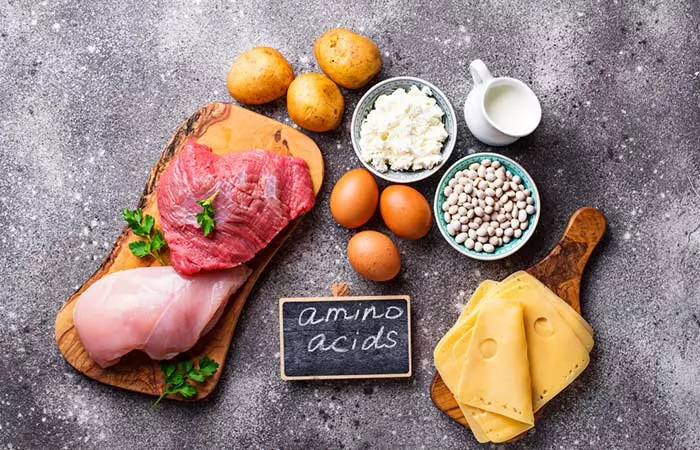
So, if you’re searching for specific foods for hair growth , consider eating foods that contain these crucial nine amino acids. We have already listed the food sources of these essential amino acids. But instead of food sources, can you take supplements? Let’s find out in the following section.s? Let’s find out in the following section.ut in the following section.
Can Amino Acid Supplements Help?
Shutterstock
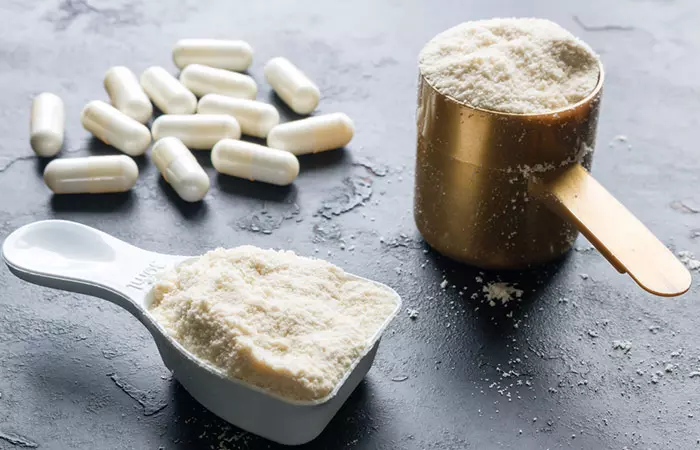
If you work out and have protein drinks, you are probably taking amino acid supplements. Protein drinks with L-glutamine and collagen can make your hair healthy. However, there is no research suggesting that protein supplements can help hair growth.
Note: Consult a doctor and find out which supplements will work for you.
Did you know that liquid amino acids are also used for the hair? Scroll down to know what they are.
What Is Liquid Amino Acid?
Liquid amino acids are mostly used as food seasonings. They are prepared by fermenting coconut sap or treating soybeans in an acidic solution.
But can you apply it to your hair? Yes, you can. But no research studies confirm liquid amino acid’s efficiency in promoting hair growth when applied topically.
Here’s how to use liquid amino acids for hair growth.
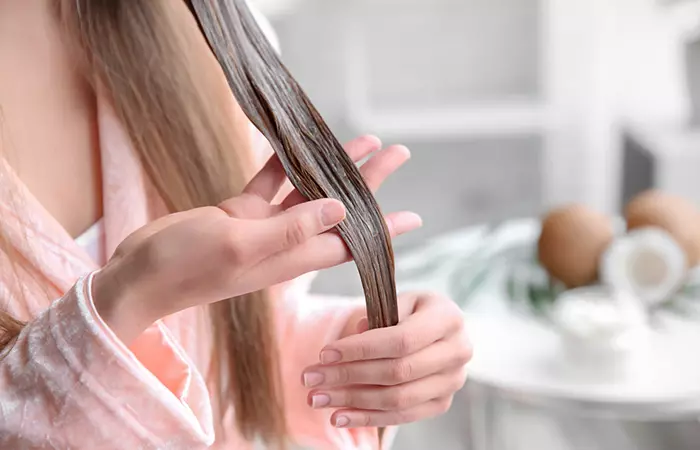
How To Use Liquid Amino Acid For The Hair
Shutterstock
You Will Need
- 2 tablespoons of liquid amino acid
- 3 tablespoons of leave-in conditioner
How To Use
- Mix the liquid amino acid and leave-in conditioner in a bowl.
- Massage this mixture gently onto your scalp.
- Apply the rest of it to your hair strands.
- Wear a shower cap and wait for 30 minutes.
- Wash your hair with shampoo.
- Do this at least once a week and not more than twice a week.
How will applying for liquid amino acid help? Scroll down to find out.
Benefits Of Liquid Amino Acid
Here are the benefits of applying liquid amino acid to your hair:
- Softens the hair.
- Adds definition to wavy and curly hair.
- Protects the hair from damage.
- Nourishes the hair follicles.
- Adds shine to the hair.
- Smoothens the hair.
- Prevents excessive hair shedding.
- Enhances hair elasticity
Rice Amino Acids For The Hair
Ripe rice grains contain 20 amino acids, including lysine and methionine ( 13 ). As mentioned earlier, these amino acids may promote hair growth. Moreover, studies suggest that rice products may help increase the expression of growth factors associated with the anagen phase of hair growth ( 14 ). Therefore, you can use rice products like rice bran oil and rice water to enjoy their hair benefits. Here is how you can use rice water at home:
- You Will Need
- 1 cup rice
- 3 cups water
How To Use
- Wash one cup of rice and soak it in three cups of water for 1-2 hours.
- Gently knead the rice and strain the water into a glass jar.
- Use the water to rinse your hair after shampooing.
Before we come to a close, here’s what you need to know.
How To Incorporate Amino Acids Into Your Diet
Incorporating amino acids into your diet is a great way to avail of their benefits. Here’s how you can ensure you are getting a balanced intake of amino acids ( 15 ).
- Protein-Rich Foods
Focus on including a variety of protein sources in your meals. Lean meats, poultry, fish, eggs, and dairy products are excellent sources of essential amino acids. Plant-based options include beans, lentils, quinoa, nuts, and seeds.
- Legumes And Whole Grains Combination
Combining legumes (like beans and lentils) with whole grains (like brown rice or quinoa) can provide a complete amino acid profile. For example, a meal of rice and beans offers a balanced mix of essential amino acids.
- Fruits And Vegetables
While fruits and vegetables are not the best sources of amino acids, they provide vital vitamins and minerals that support protein metabolism. Leafy greens, broccoli, and avocados are particularly beneficial for overall health.
- Nuts And Seeds
Nuts and seeds are rich in healthy fats and also provide essential amino acids. Add almonds, walnuts, chia seeds, or pumpkin seeds to your snacks or meals for a nutritious boost.
- Balanced Meals
Aim to create balanced meals comprising proteins, healthy fats, and complex carbohydrates. This ensures that you are consuming a range of amino acids along with other nutrients.
- Fermented Foods
Fermented foods like yogurt, kefir, kimchi, and tempeh can enhance amino acid absorption due to their probiotic content.
- Protein Supplements
Consider protein supplements such as whey, casein, or plant-based protein powders if you find it challenging to get adequate amino acids from food alone. These can be easily added to smoothies, oatmeal, or baked goods.
By following these tips, you can incorporate amino acids into your meals, supporting your overall health and hair growth.
While supplements are the way to fill the gaps in your diet, too much of it can lead to health issues. Read on to know more.
Watch Out For Over Supplementation
Over supplementation is never good for your hair. Consume foods rich in amino acids , but do not overconsume. Your body needs a balanced diet that includes carbs, fats, and proteins. Merely consuming proteins and sources of amino acids will adversely affect your hair.
Infographic: Top 4 Amino Acids That Boost Hair Growth
It is important to strike a balance between reaching your recommended dietary intake for a particular nutrient and making sure you have met the level required to boost hair growth. There is a chance of over-supplementation in your quest to observe results quickly.
While certain hair care tips and tricks can be kept in mind for hair growth, consuming the right foods is the most crucial part and that is where amino acids come in. They are important nutrients that can boost your hair growth. Consuming amino acids for hair growth can negate the effect of sun damage on your beautiful locks. Moreover they boost collagen production, and strengthen your hair. You can use liquid amino acid and a leave-in conditioner to soften and smoothen your hair. Apart from this, you can either get amino acids through food or take them in the form of supplements. Be careful of over-supplementation as it may affect your hair. Consult a doctor before taking any supplements.
Can stress affect amino acid levels and hair growth?
Yes. Both acute and chronic stress can lead to deficiencies of nutrients like amino acids ( 16 ). This can consequently impact hair health negatively.
Can a lack of amino acids cause hair loss?
Yes, amino acid deficiency can cause hair loss.
Is it safe to take amino acids every day?
Yes, it is safe to take amino acids every day as long as they are not consumed in huge amounts.
How many amino acids are there in the hair?
Your hair is made of keratin protein, which is made of 18 amino acids.
Is lysine good for hair growth?
Yes, lysine is good for hair growth as it helps in the production of collagen.
Is keratin an amino acid?
No. Keratin is a protein, which is made of 18 amino acids.
How many amino acids are found in keratin?
There are 18 amino acids in keratin.
Is Biotin an amino acid?
No. Biotin is a popular vitamin for hair growth . It is also known as Vitamin H and is a part of the B complex group of vitamins.
Illustration: Amino Acids For Hair Growth, Food Sources, Benefits
Image: Stable Diffusion/StyleCraze Design Team
Do you want to know if amino acids can help your hair grow? Click on this video to find out if amino acids offer any potential benefits for your hair.
Personal Experience: Source
StyleCraze’s articles are interwoven with authentic personal narratives that provide depth and resonance to our content. Below are the sources of the personal accounts referenced in this article.
References
- THE NUTRITIVE SIGNIFICANCE OF THE AMINO ACIDS https://journals.physiology.org/doi/pdf/10.1152/physrev.1938.18.1.109
- Diet and hair loss: effects of nutrient deficiency and supplement use https://www.researchgate.net/publication/316012307_Diet_and_hair_loss_effects_of_nutrient_deficiency_and_supplement_use
- Human hair keratins https://www.sciencedirect.com/science/article/pii/0022202X93905018
- Gene Expression of Mouse S100A3, a Cysteine-Rich Calcium-Binding Protein, in Developing Hair Follicle https://www.sciencedirect.com/science/article/pii/S0022202X15402842
- Holistic Approaches to Maintain Healthy Hairs of Human Being https://www.researchgate.net/publication/279298224_Holistic_Approaches_to_Maintain_Healthy_Hairs_of_Human_Being
- Impact of Low Protein and Lysine-deficient Diets on Bone Metabolism (P08-072-19) https://www.ncbi.nlm.nih.gov/pmc/articles/PMC6818847/
- Advances in Understanding Hair Growth https://www.researchgate.net/publication/293645835_Advances_in_Understanding_Hair_Growth
- Cysteines and Disulfide Bonds as Structure-Forming Units: Insights From Different Domains of Life and the Potential for Characterization by NMR https://www.ncbi.nlm.nih.gov/pmc/articles/PMC7191308/
- Cystine https://pubchem.ncbi.nlm.nih.gov/compound/Cystine
- RET tyrosine kinase enhances hair growth in association with promotion of melanogenesis https://idp.nature.com/transit?redirect_uri=https%3A%2F%2Fwww.nature.com%2Farticles%2F1204918&code=a9632f90-a811-416a-88b5-735343008e37
- Organization and expression of hair follicle genes https://www.sciencedirect.com/science/article/pii/0022202X9390500H
- Proline-dependent regulation of collagen metabolism https://link.springer.com/article/10.1007/s00018-019-03363-3
- Amino acids in rice grains and their regulation by polyamines and phytohormones https://www.ncbi.nlm.nih.gov/pmc/articles/PMC9228293/
- A systematic review: application of rice products for hair growth https://pubmed.ncbi.nlm.nih.gov/35133117/



Community Experiences
Join the conversation and become a part of our empowering community! Share your stories, experiences, and insights to connect with other beauty, lifestyle, and health enthusiasts.