Zinc for hair loss has become a potential treatment. We often see people consuming zinc supplements to improve hair loss. We know that nutrients are essential for hair growth, but do you know how zinc is beneficial and what exactly it does for hair loss? This article discusses all the benefits of zinc on hair and how zinc deficiency affects hair health. Read on.


What Is It? A trace mineral generally found in poultry, red meat, and fish.
What Are Its Benefits? It supports hair growth, strengthens hair follicles, and increases hair thickness.
Who Can Use It? Zinc supplements can be consumed by all in moderation unless they are allergic to zinc.
How Often? It can be taken every day; however, the dosage depends on the recommendation of your healthcare provider.
Caution Excess consumption of zinc is unsafe and may cause vomiting, stomach pain, indigestion, diarrhea, and headache. It may also interact with certain medications.
In This Article
Zinc Deficiency And Hair Loss
Shutterstock
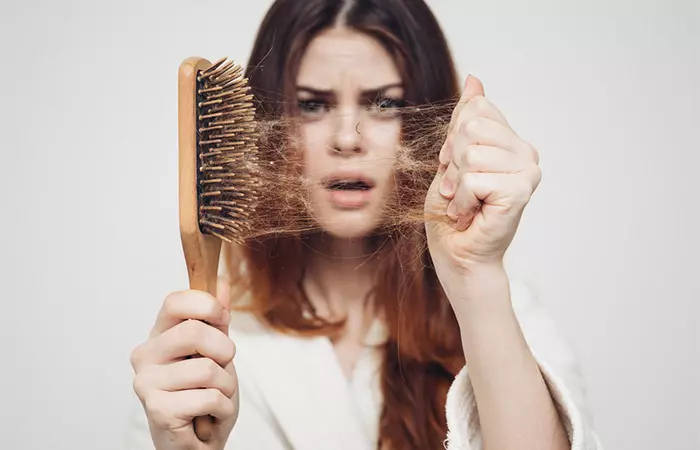
Research shows that zinc deficiency may cause hair loss ( 1 ). Such hair loss can most often be treated with zinc supplementation. In another study, participants with male pattern hair loss, female pattern hair loss, and telogen effluvium i A temporary condition where hair begins to fall out two to three months following a stressful event or bodily change, such as childbirth or surgery. were deficient in zinc ( 2 ). Individuals with alopecia areata (an autoimmune disease that leads to patchy hair loss in a roundish configuration) were also found to have low zinc levels ( 3 ).
Along similar lines, a study found that the risk of encountering alopecia areata in a lifetime is around 2% in the general population. In addition, the study also found that alopecia areata is genetic, and those with a family history are more likely to experience it, with a probability of between 0% and 8.6%. Moreover, the study suggested that alopecia areata can increase the risk of getting other autoimmune diseases by 16%.
While zinc seems to have an important role in combating hair loss, more research is warranted. Other studies suggest no significant relationship between zinc deficiency and hair loss ( 1 ), ( 4 ), ( 5 ).
Key Takeaways
- Zinc is an essential nutrient for hair health, and a deficiency may lead to hair loss and damage.
- Topical and oral zinc supplementation can help improve hair growth, count, density, and keratin content.
- Oysters, red meat, poultry, beans, nuts, and vegetables are common sources of dietary zinc.
- It is recommended to consult a doctor before starting zinc supplements with any other health concerns or in combination with other medicines.
Symptoms Of Zinc Deficiency
Shutterstock
- Hair Loss: This is the most common symptom of zinc deficiency. If you are experiencing hair thinning and frequent shedding, and notice bald patches on your scalp, it may be a result of zinc deficiency. The common hair loss symptoms have also been noticed in alopecia areata patients who have zinc deficiency ( 6 ).
- Brittle Hair: Zinc deficiency may also cause dry and brittle hair that is more prone to breakage ( 7 ).
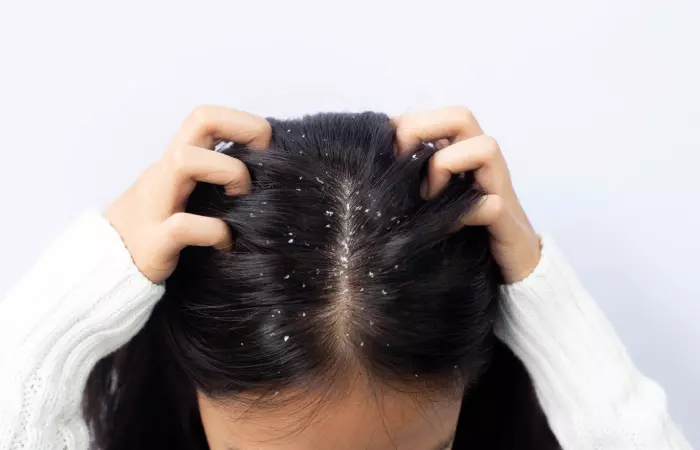
- Scalp Issues: Insufficient serum zinc levels in the body may lead to dandruff (seborrheic dermatitis) and an itchy scalp ( 8 ).
- Premature Graying: Zinc helps maintain hair pigmentation, thus its deficiency can contribute to premature graying of the hair ( 9 ).
If you are wondering how zinc can improve your hair, here are some of its benefits.
Benefits Of Zinc For Hair

Shutterstock
- A study showed that alopecia areata may be treated with zinc supplementation ( 6 ). Nine out of 15 participants in the study showed improved hair growth with regular intake of zinc supplements.
- Another study used oral supplementation of chelated zinc paired with regular applications of topical minoxidil ( 10 ). Chelated zinc played an important role in hair growth in female pattern hair loss.
- Zinc contains enzymes crucial for certain functional activities in the hair follicles ( 10 ). The nutrient also helps inhibit hair follicle regression and may accelerate the healing of hair follicles.
- Oral zinc sulfate can help treat patchy alopecia areata with a low relapse rate after cessation i A process of reducing or ending hair loss by effective medication and dietary changes to regrow hair. of the treatment ( 6 ).
- Oral L-cystine i A form of non-essential amino acid if taken as medication with zinc which promotes hair regrowth and strengthening. , when combined with zinc, can treat diffuse alopecia . It also can increase hair count, improve hair density, and boost keratin content ( 11 ).
- Topical and oral supplementation of zinc is said to impact hair loss and promote hair growth. Zinc may inhibit 5-alpha reductase, an enzyme that may disrupt hair growth. Zinc also has anti-inflammatory and antioxidant properties that may promote hair growth ( 11 ).
- Zinc chelates paired with pyrithione i It is used to prepare zinc pyrithione which is antibacterial, antimicrobial, and antifungal and used to treat dandruff. may be used as a treatment for dandruff ( 11 ).
- Zinc is an enzyme activator. It activates the protein transformation necessary for hair building ( 12 ).
- Zinc deficiencies might diminish hair and scalp health and make hair brittle ( 7 ). This problem may be treated with zinc supplementation
- Free radicals cause oxidative damage and lead to hair loss. Zinc, being an antioxidant, can help balance the production of free radicals ( 7 ).
There are numerous other benefits of zinc which makes it a truly beneficial and important mineral for hair and overall health. A deficiency of this mineral can weaken the hair follicles, causing hair fall. One of the best ways to avoid a zinc deficiency is to consume more foods rich in zinc. Here are some food options you can consider adding to your everyday diet.
Foods Rich In Zinc
Shutterstock
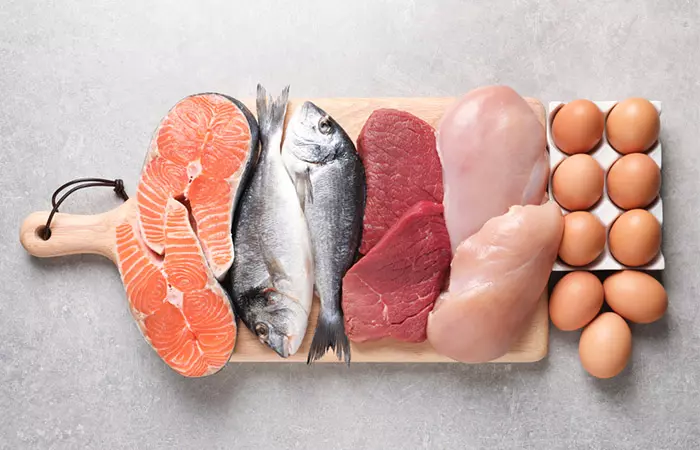
A diet low in zinc can cause hair loss and make hair brittle ( 7 ). You can counter this by consuming fish and meat, which are rich in zinc and add to hair nutrition ( 1 ). Oysters, red meat, and poultry are the best sources of zinc ( 13 ). Other zinc-rich foods include crabs, lobster, dairy products, beans, nuts, chickpeas, quinoa, hemp seeds, lentils, pumpkin seeds, cashews, chia seeds, and fortified breakfast cereals. Vegetables and grains are comparatively lower in zinc. The table below provides a comprehensive idea.
Image: ShutterStock
The list doesn’t end here. There are numerous other foods high in zinc , which you can check out and include in your diet. While your daily intake of zinc depends on your dietary choices. However, if you are taking zinc supplements for hair, it’s better to keep it within permissible limits. Scroll down to get more information related to dosage.
Zinc Dosage For Hair

Shutterstock
Following are the adequate zinc dosage values recommended by the Food and Nutrition Board ( 13 ):
Image: ShutterStock
Side Effects

Shutterstock
Excess intake of zinc can lead to zinc toxicity. It can cause nausea, vomiting, diarrhea, headaches, and abdominal cramps ( 13 ).

Illustration: Zinc For Hair Loss: How It Works, Benefits, And Side Effects
Image: Dall·E/StyleCraze Design Team
Learn from a dermatologist how zinc can improve your skin and hair health! Get the facts on how to incorporate it into your routine from the video below.
Infographic: A Complete Guide To Zinc For Hair Loss
Various studies have suggested that zinc deficiency may cause hair loss. The good news is that increasing your zinc intake may help strengthen your hair follicles and boost hair growth. Check out the infographic below to know about the benefits of zinc for your hair, how to incorporate it into your diet, and more.
Zinc plays an important role in hair care and especially in combating hair loss. Using zinc for hair loss can be a good idea as it is proven to have treated hair loss problems in people with alopecia areata. According to anecdotal evidence, regular zinc supplementation may also improve hair growth. Consuming a zinc-rich diet like crabs, fish, nuts, beans, lobster, dairy products, and cereals may help combat hair loss issues. You may also make a few lifestyle changes and maintain a healthy sleep pattern to keep your hair issues at bay.
What happens if you take zinc every day?
You can have zinc daily so long as it is within the recommended dosage. Excess intake may lead to vomiting, stomach issues, and other health problems.
When should I take zinc in the morning or night?
Zinc can be taken at any time of the day. However, you should not take it on an empty stomach as it may upset the stomach.
Can zinc cause blood clots?
Zinc deficiency may lead to blood clots and other irregularities.
Is it OK to take vitamin C and zinc together?
Yes. It is alright to consume vitamin C with zinc, provided they are within their recommended dosage.
References
- The Role of Vitamins and Minerals in Hair Loss: a Review, https://www.ncbi.nlm.nih.gov/pmc/articles/PMC6380979/
- Analysis of Serum Zinc and Copper Concentrations in Hair Loss, https://pubmed.ncbi.nlm.nih.gov/24371385/
- The Role of Micronutrients in Alopecia Areata: a Review, https://pubmed.ncbi.nlm.nih.gov/28508256/
- Comparison of Zn, Cu, and Fe Content in Hair and Serum in Alopecia Areata Patients With Normal Group, https://www.hindawi.com/journals/drp/2014/784863/
- Element Concentrations in Serum, Erythrocytes, Hair and Urine of Alopecia Patients, https://pubmed.ncbi.nlm.nih.gov/2424231/
- The Therapeutic Effect and the Changed Serum Zinc Level after Zinc Supplementation in Alopecia Areata Patients Who Had a Low Serum Zinc Level https://www.ncbi.nlm.nih.gov/pmc/articles/PMC2861201/
- Diet and hair loss: effects of nutrient deficiency and supplement use https://www.ncbi.nlm.nih.gov/pmc/articles/PMC5315033/
- Serum zinc levels in seborrheic dermatitis: a case-control study https://www.ncbi.nlm.nih.gov/pmc/articles/PMC7018314/
- Premature Graying of Hair: Review with Updates https://www.ncbi.nlm.nih.gov/pmc/articles/PMC6290285/
- A Pilot Study of the Efficacy in Treatment of Female Pattern Hair Loss Using 5% Minoxidil Solution Combined With Oral Chelated Zinc Supplement, https://www.longdom.org/open-access/a-pilot-study-of-the-efficacy-in-treatment-of-female-pattern-hair-loss-using-minoxidil-solution-combined-with-oral-chelated-zinc-supplement-2167-0951.1000113.pdf
- Complementary and Alternative Treatments for Alopecia: a Comprehensive Review, https://karger.com/sad/article/5/2/72/291462/Complementary-and-Alternative-Treatments-for
- Efficacy of Alimental Components in an Oral Supplement for the Treatment of Hair Fall, Hair Growth, Skin & Nail Problems and Role of Hairvit Plus in Their Composition Upgradation, https://www.ijsrp.org/research-paper-0318/ijsrp-p7545.pdf
- Zinc, https://ods.od.nih.gov/factsheets/Zinc-HealthProfessional/



Community Experiences
Join the conversation and become a part of our empowering community! Share your stories, experiences, and insights to connect with other beauty, lifestyle, and health enthusiasts.


